
How Britain Heals: Why Growth Alone Won't Fix Our Broken Spirit-and What Real National Renewal Looks Like
Britain's problem isn't just economic-it's relational. Why GDP can't heal a fractured country, and how rebuilding connection could renew Britain from the inside out.

As we start 2026, the United Kingdom may be able to point to something that has felt elusive for years: stability. Inflation is easing. GDP ticking upward. The language of "recovery" returning cautiously to official speeches. And yet, for many people living here, the dominant feeling is not relief, but distance. A sense that the numbers are improving while the country itself feels thinner, more brittle, less sure of itself.
Listen to the podcast here. 👈
I've been tracking that across my series, "How the UK Feels right now". And what we're seeing is what I'm calling a ghost recovery: an economy that looks healthier on paper while everyday life feels more fragmented, lonelier, and emotionally threadbare.
We have grown used to this contradiction, even learned to tolerate it. When people say they feel worse despite the graphs moving in the right direction, we tell them the problem is patience. Or perception. Or personal resilience. But what if the problem is measurement? That's what my final essay is going to be exploring.
For more than a generation, Britain has tried to repair a social fracture using almost exclusively transactional tools. Tax tweaks. Benefit recalculations. Incentives and penalties. We have treated a relational crisis as if it were a purely economic one, assuming that if enough money moves through the system, trust, belonging, and confidence will eventually follow.
 Matt Hussey
They haven't. GDP is an accounting tool, not a moral one. It tells us how fast value is moving, not whether life is becoming more liveable. It can rise while community erodes. It can grow while people feel increasingly on their own. Look at America right now: from a GDP sense it is booming - but look closer and all that growth comes from one source: data centres. Only a fraction of people benefit from that boom.
In that sense, Britain's malaise is not mysterious at all. We have become very good at growing output while neglecting the conditions that make growth meaningful. What's broken is not simply the economy, but the connective tissue beneath it: the everyday relationships, shared spaces, and institutions that turn individuals into a society. We are trying to manage decline with spreadsheets, when what we are facing is a crisis of connection.
This is the trap. We keep asking what Britain produces, instead of how Britain relates-to itself, to its citizens, to the idea of a shared future. Until that changes, no amount of fiscal adjustment will heal the deeper wound.
If the next chapter of national renewal is to mean anything, it must start with a shift in how we think about value. Britain does not just need a stronger service economy. It needs a relational economy-one that treats social connection not as a "soft" outcome, but as a hard economic asset. Growth matters. But goodness matters too. And the two, it turns out, were never meant to be separate.
I'm going to explore how.
Rebuilding the "Palaces for the People"

For years, Britain's infrastructure debate has been narrowly framed. We argue about rail capacity, broadband speeds, road upgrades-important things, certainly, but incomplete. Infrastructure, as we have come to define it, moves bodies, data, and goods. What it increasingly fails to move is belonging.
This is not an abstract loss. It is measurable, physical, and visible on almost every high street in the country.
Since 2010, the UK has lost 276 public libraries, more than 11,000 pubs-around a fifth of the total-and over 500 swimming pools. In 2024 alone, 13,000 high street shops closed, leaving behind boarded windows and empty pavements. These are not just leisure amenities or retail failures. They are the everyday places where people once brushed up against one another without an appointment, an agenda, or an algorithm.
Sociologists sometimes call these spaces "third places"- not home, not work, but the informal commons where social life happens by accident. Their disappearance explains far more about Britain's emotional state than any single economic indicator. When people say their area feels "hollowed out," this is usually what they mean. There is nowhere left to linger that doesn't require spending money or justifying your presence.
This is why the work of sociologist Eric Klinenberg matters so deeply here. Klinenberg uses the term "social infrastructure" to describe the physical places that enable connection: libraries, parks, community centres, swimming pools, well-run high streets.
 Matt Hussey
His research shows that these spaces are not cultural luxuries; they are the scaffolding of democracy. Where social infrastructure is strong, communities are healthier, more resilient, and more trusting. Where it collapses, isolation and suspicion fill the gap. Britain is living through the consequences of letting that scaffolding rot.
A 2025 report by the British Academy made the point bluntly: social and cultural infrastructure is not a drag on growth, but a precondition for it. People invest, work, and innovate more effectively when they feel anchored to a place and connected to one another.
Likewise, polling by the Royal Town Planning Institute found that one in three Britons now believes their local area is in decline-a perception that tracks closely with the loss of shared civic space.
What we have called "austerity" often looked, on the ground, like a systematic withdrawal from the places that made life feel shared. Libraries became optional. Youth centres became expendable. Pubs and leisure spaces were left to market forces that could not possibly value their social role. Over time, the message landed: you are on your own.
Rebuilding Britain therefore requires a redefinition of infrastructure itself. A railway connects cities. A library connects people. Both are nation-building assets. Only one is currently treated as such.
This is why the country now needs something as unglamorous - and as transformative - as a Social Infrastructure Act. Legislation that recognises community spaces as essential national assets, protected with the same seriousness we apply to green belts or national parks.
 Matt Hussey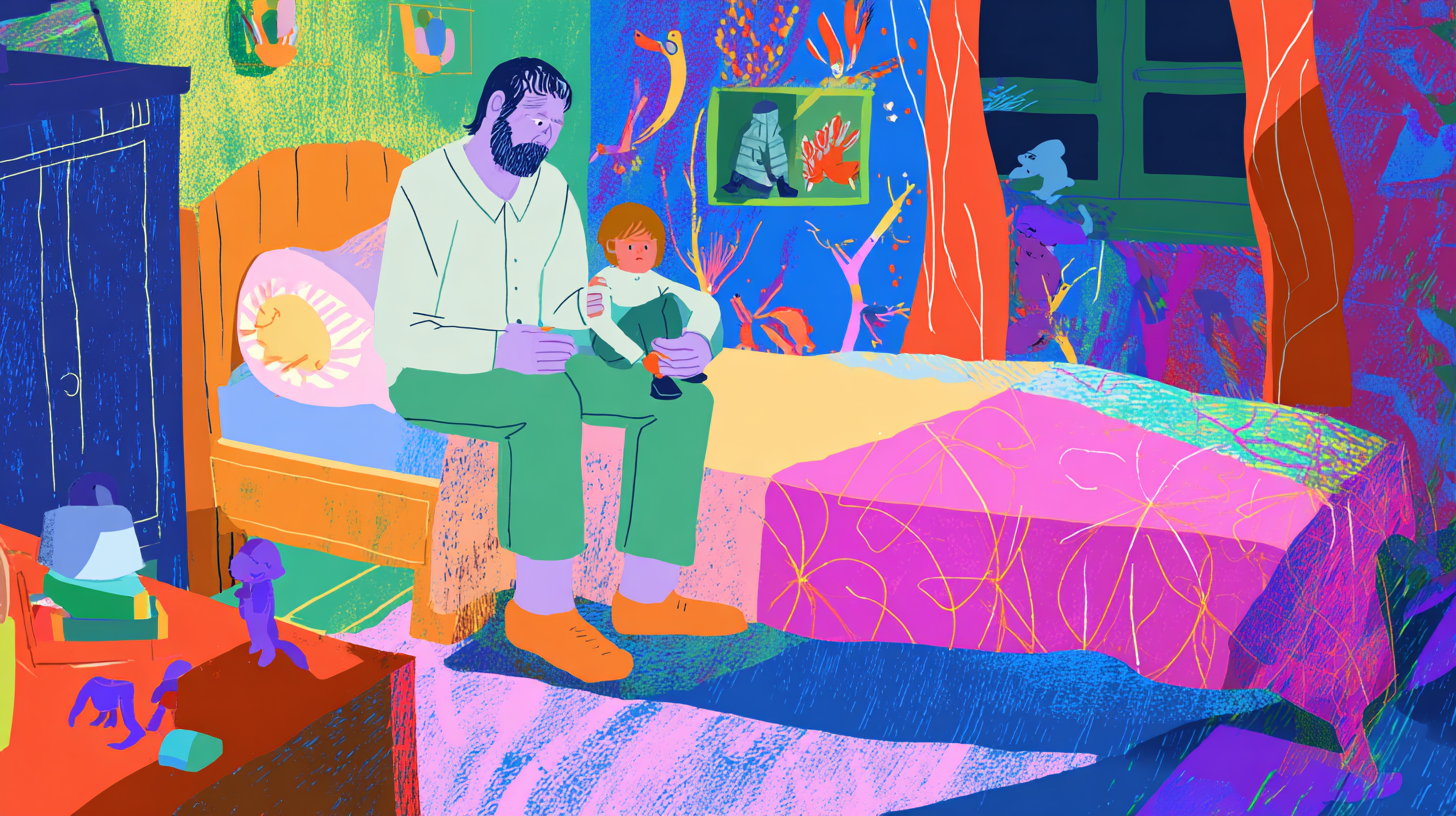
Not every pub can be saved, nor every shop reopened. But the principle must change: places that generate trust, mixing, and mutual recognition should not live or die purely by short-term commercial logic.
This is not nostalgia. It is realism. You cannot rebuild a fractured society in private. Belonging requires rooms, buildings, pavements, and pools. It requires places where people can exist without being processed or sold to.
Before Britain can heal emotionally, it must rebuild the physical conditions that make social life possible. Concrete and care are not opposites. In the long run, they are the same project.
Stop Processing People, Start Knowing Them

Britain's welfare state was built on a moral insight that remains sound: when life goes wrong, the state should be there. But over time, the way that insight has been implemented has drifted far from its original purpose. What began as a system of support has slowly hardened into a system of management-one that processes needs efficiently while often failing to change lives meaningfully.
The result is a paradox familiar to anyone who has tried to navigate it. The state spends vast sums, employs extraordinary numbers of dedicated professionals, and yet too often leaves people feeling unseen, shuffled, and diminished. Outcomes disappoint not because people are unwilling to engage, but because the system rarely engages with them as people.
This critique sits at the heart of the work of Hilary Cottam, whose book Radical Help has become quietly influential across social policy circles. Cottam's argument is disarming in its simplicity: Britain's welfare institutions are transactional, not relational. They are designed to administer services - benefits, appointments, prescriptions - but not to build the relationships that make recovery and independence possible.
In practice, this means the state often treats complex human lives as a series of disconnected problems. Mental health is handled here. Housing there. Employment somewhere else. A struggling family can find itself interacting with dozens of agencies, each well-meaning, each siloed, each costly-and collectively ineffective. In some of Cottam's case studies, this fragmented approach cost the public purse over £250,000 per year per person while achieving little lasting improvement.
 Matt Hussey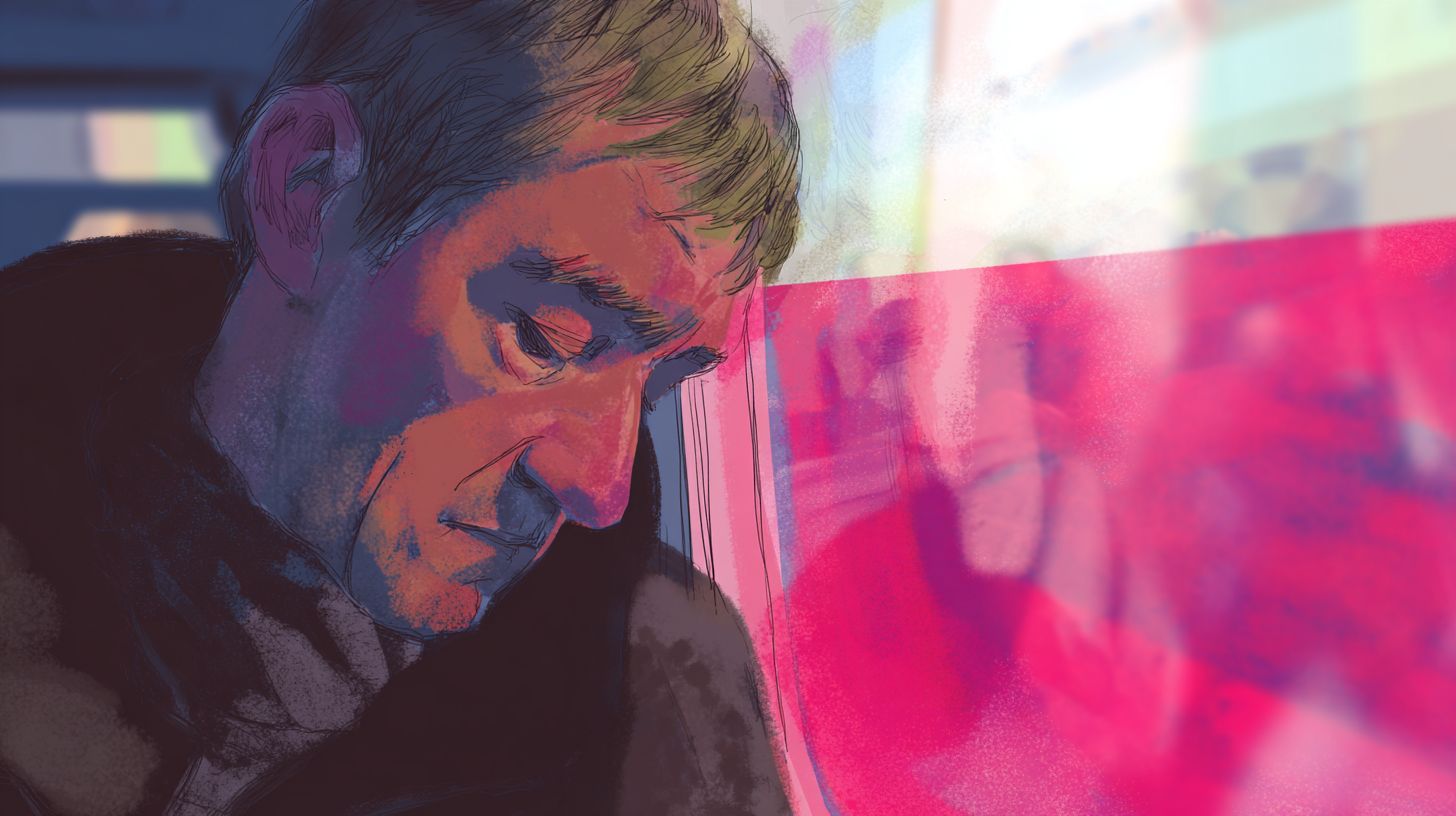
The alternative she proposes is not more spending, but different spending. In pilot projects across the UK, families were invited to do something radical: choose their own "Life Team." Instead of being assessed and assigned, they interviewed the professionals who would support them-social workers, coaches, health practitioners-and shaped a small, trusted network around their real needs. The role of the state shifted from controller to enabler.
The outcomes were striking. Costs fell. Dependency reduced. But more importantly, something less measurable returned: agency. When people felt known-when support was built with them rather than for them-they began to rely less on crisis services and more on their own capacity.
This points to a deeper truth Britain has been slow to acknowledge. Human beings do not change because they are monitored more closely. They change when they are connected. Loneliness, trauma, and instability are not solved by paperwork alone. They are relational problems, and they require relational answers.
Seen this way, reforming the welfare state is not about shrinking it or sentimentalising it. It is about clarifying its purpose. The goal should not be to manage need indefinitely, but to build capability-to help people regain the confidence, skills, and social support that allow them to participate fully in society again.
This is not naïve. It is fiscally serious. Systems built around trust and relationship cost less over time precisely because they work. They reduce repeat crises, cut duplication, and restore a sense of mutual obligation between citizen and state.
If Britain wants a welfare state fit for the next generation, it will not be built by adding another layer of bureaucracy. It will be built by remembering something deceptively simple: people heal faster when they are known.
The Politics of the Lonely Crowd
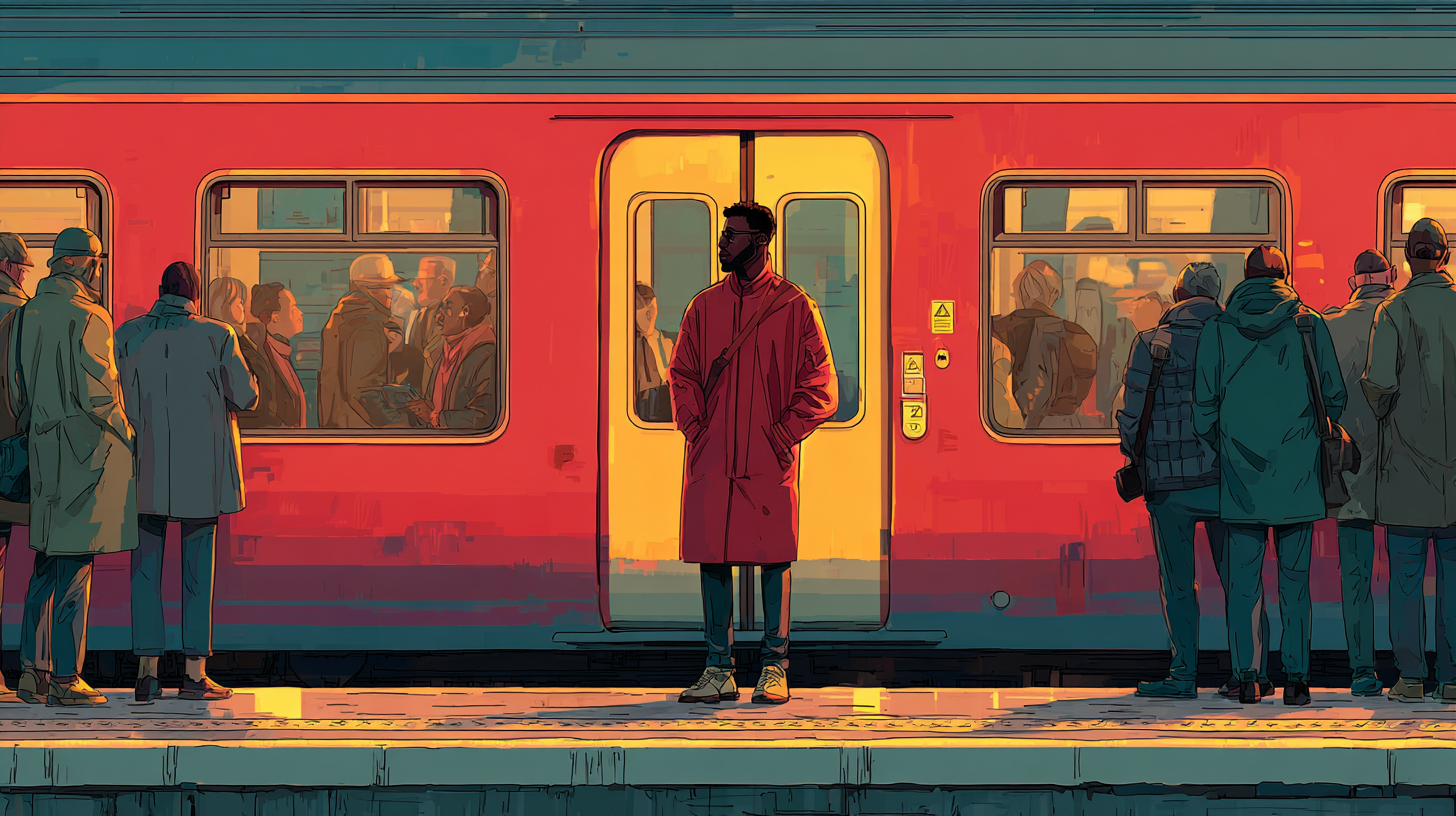
Loneliness is still too often treated as a soft issue-a regrettable side effect of modern life, best addressed with kindness campaigns and well-meaning checklists. But this misreads both its scale and its significance. In Britain today, loneliness is not just a social ill. It is a political and economic risk, and increasingly, a matter of national resilience.
This is the central warning of economist Noreena Hertz, whose work has reframed loneliness as a structural condition rather than a personal failing. Hertz's argument is stark: when people feel persistently unseen and disconnected, they don't withdraw quietly. They look for meaning, recognition, and belonging wherever it is offered-even if that means embracing anger, division, or destructive narratives.
The logic is unsettling, but it is consistent. Humans are social creatures before they are ideological ones. If you do not feel part of the community, you are far more likely to turn against it. Loneliness does not just corrode wellbeing; it erodes trust, making societies more volatile and more susceptible to polarisation. Populism feeds not only on grievance, but on isolation.
Britain's recent political turbulence cannot be understood without this emotional backdrop. Large numbers of people feel detached from decision-making, disconnected from neighbours, and unsure whether anyone is really listening. In that context, politics becomes less about policy and more about recognition. Extremes thrive where belonging is scarce.
 Matt Hussey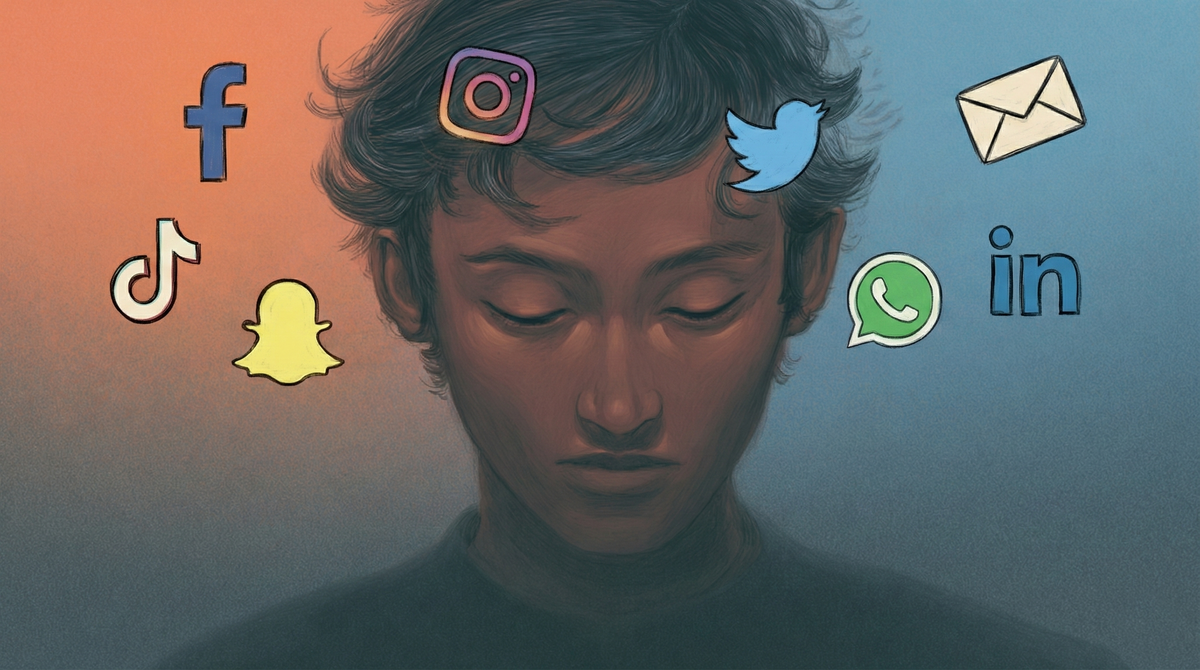
There is also a hard economic dimension to this story-one that makes the cost of inaction impossible to ignore. Research from the University of Exeter found that chronically lonely individuals cost the NHS approximately £900 more per year than their non-lonely counterparts, largely due to higher GP visits, increased outpatient care, and the worsening of preventable conditions. Loneliness amplifies illness. It accelerates decline.
The costs extend well beyond the health system. Estimates suggest loneliness costs UK employers around £2.5 billion annually through absenteeism, lower productivity, and higher staff turnover. People who feel disconnected are less engaged, less creative, and more likely to burn out. In economic terms, loneliness is a drag on growth. In human terms, it is a slow leak in the nation's morale.
This reframes the challenge entirely. Tackling loneliness is not an act of charity; it is an investment strategy. It strengthens health outcomes, stabilises politics, and improves economic performance. It is, in effect, a stimulus package-one that pays dividends across multiple systems simultaneously.
 Matt Hussey
Yet Britain's response remains fragmented. Loneliness is delegated to departments, taskforces, and voluntary groups, rather than treated as a central organising concern of public policy. We measure inflation monthly, but rarely track social isolation with the same seriousness. We fund crisis responses generously, but underinvest in the conditions that prevent crisis in the first place.
A country that allows mass loneliness to persist is a country quietly undermining itself. Social isolation does not stay private. It spills outward-into voting behaviour, public discourse, workplace culture, and health systems already under strain.
If Britain wants long-term stability, it must recognise a difficult truth: connection is security. Societies do not fracture only because they are poor. They fracture because too many people feel alone inside them.
A Manifesto for Connection

If Britain's crisis is relational, then its recovery must be deliberately so. This means moving beyond diagnosis and toward design-toward a state that understands connection not as a by-product of prosperity, but as something that must be actively built, protected, and renewed.
What would a Government of Renewal actually do differently? Not rhetorically, but structurally. Not with slogans, but with policies that rewire incentives around human flourishing rather than narrow output. A credible blueprint already exists. I believe it rests on three pillars.
1. A Wellbeing Budget
The first shift is philosophical, but it has concrete consequences. Britain must stop treating GDP as the ultimate test of success and start treating it as one input among many. Countries like New Zealand have already begun this transition, embedding wellbeing outcomes directly into budgetary decision-making. Closer to home, Wales has gone further, legislating for long-term wellbeing through its Future Generations framework.
The lesson is not that growth no longer matters. It is that growth should be judged by what it delivers. A UK Wellbeing Budget would require every major Treasury decision to demonstrate how it improves life expectancy, mental health, social connection, and environmental stability-not just short-term output. If a policy raises GDP while increasing loneliness, burnout, or regional despair, it should be treated as a failure.
 Matt Hussey
This would change priorities fast. Investments in social infrastructure, preventive health, and community resilience would no longer look "soft" or discretionary. They would become fiscally rational-because they would be measured against outcomes that actually determine long-term national strength.
2. Emotional Literacy as Core Infrastructure
Britain's education system is world-class at teaching abstract reasoning. It is far less confident when it comes to teaching emotional and relational skills. We train young people to solve equations, but not to navigate conflict, process loss, or sustain relationships in a hyper-mediated world.
That gap now has consequences. Adolescence is increasingly shaped by algorithms, screens, and comparison. Anxiety, loneliness, and emotional dysregulation are rising, while support systems lag behind. This is not a cultural footnote; it is a pipeline problem for future health, productivity, and civic life.
A Government of Renewal would make relationship education and emotional literacy as fundamental as maths and literacy. Not as a bolt-on "PSHE hour," but as a serious, evidence-based curriculum that teaches listening, disagreement, empathy, and repair. This is preventive medicine. It reduces future demand on the NHS, lowers conflict in workplaces, and builds resilience before crisis hits.
 Matt Hussey
In an age where technology accelerates everything, the capacity to relate - to oneself and to others - becomes a core economic skill. Teaching it is not indulgence. It is infrastructure.
3. A National Service of Care
Finally, Britain needs a new story about contribution-particularly for young people who feel surplus to requirements in an economy that struggles to offer purpose as well as pay.
A voluntary National Service of Care would offer young adults the opportunity to work in social care, community projects, and intergenerational support. Not as conscription, but as invitation. Participants would gain skills, income, and a sense of belonging, while communities gain energy, attention, and connection.
This addresses multiple challenges at once. It helps relieve pressure on an overstretched care sector. It bridges the generational divide. And it responds directly to what I've the "masculinity recession"-the growing number of young men disconnected from work, meaning, and social role. Care, when properly valued, restores dignity to contribution.
 Matt Hussey
Taken together, these pillars amount to a redefinition of what government is for. Not just to manage markets, but to cultivate the conditions under which people can belong, contribute, and thrive.
This is not utopian. It is pragmatic. Societies that invest in connection are healthier, more stable, and more productive over time. Britain's choice is not between compassion and competence. It is between short-term management and long-term renewal.
The tools exist. The evidence is strong. What remains is the political courage to say that healing the country is not a side project of government-but its central task.
The Country We Could Be

Britain's greatest strength has never been its size, its climate, or even its economy. It has been its capacity for association-the dense web of clubs, charities, unions, faith groups, and neighbourhood institutions that once gave everyday life a sense of shared purpose. It's what 18th-century writer Edmund Burke called the "little platoons": the small, voluntary bonds through which people learn trust, responsibility, and care.
Those platoons have thinned. Not because Britons have become less civic-minded, but because the conditions that sustained them have been allowed to erode. Time has been squeezed. Places have vanished. Systems have grown more distant. And gradually, many people have been left to carry worry, grief, and uncertainty alone.
This is the quiet cost of the GDP trap. When a nation defines success narrowly, it neglects the very forces that make success durable. Prosperity without belonging is brittle. Growth without goodness leaves people unmoored.
A renewed Britain would begin from a different premise: that we are each other's medicine. The state has a vital role to play-it can fund the library, protect the park, reform the welfare system, and set the rules that reward connection rather than extraction. But it cannot manufacture community on its own.
Healing requires participation. Someone has to walk through the door. Someone has to stay for the meeting. Someone has to knock on the neighbour's wall and ask if they're all right.
 Matt Hussey
This is not a retreat into nostalgia or moralising. It is a modern patriotism-one rooted not in flag-waving, but in care. Loving a country is not just about defending its borders or growing its economy. It is about tending to the relationships that allow millions of strangers to live together without fear.
A healed Britain would be one where no one is left to worry alone. Where public policy recognises that connection is not a "nice to have," but a foundation of national strength. Where economic success is judged by whether people feel held, heard, and hopeful about the future they are building together.
The path forward is not mysterious. We know what rebuilds trust. We know what restores dignity. We know what makes societies resilient. The challenge now is not knowledge, but will.
The question facing Britain is therefore a simple one, even if the answer demands courage: do we want a country that merely functions-or one that truly heals?
If we choose the latter, the work will be slower, more relational, and less easily graphed. But it will be real. And in the end, it may be the most important infrastructure project we ever undertake.