
Inside the Mind of a Narcissist
What lies beneath the charm, the rage, and the wreckage - and why understanding it changes everything.

You remember the feeling. Not the warning signs - those came later, and even now, in retrospect, they're hard to name. What you remember first is how it felt to be in their orbit. The attention was total. The understanding was precise. For a while, you were the most interesting person in any room they entered.
That part wasn't a lie, exactly. It was something more complicated - and far more instructive.
Narcissism is perhaps the most misunderstood word in the psychological lexicon. We use it as shorthand for vanity, for difficult behaviour, for the ex who posted too many selfies.
 Matt Hussey
The clinical reality is both more specific and more human than that - and understanding it matters, because pathological narcissism is one of the most consequential psychological presentations a person can encounter, in a relationship, a workplace, or a family.
This is the map most people never get. What's actually happening inside. Not just the external performance of entitlement and control, but the interior architecture - the wound beneath the grandiosity, the mechanism behind the manipulation, and why it produces the particular devastation it does.
What Narcissism Actually Is
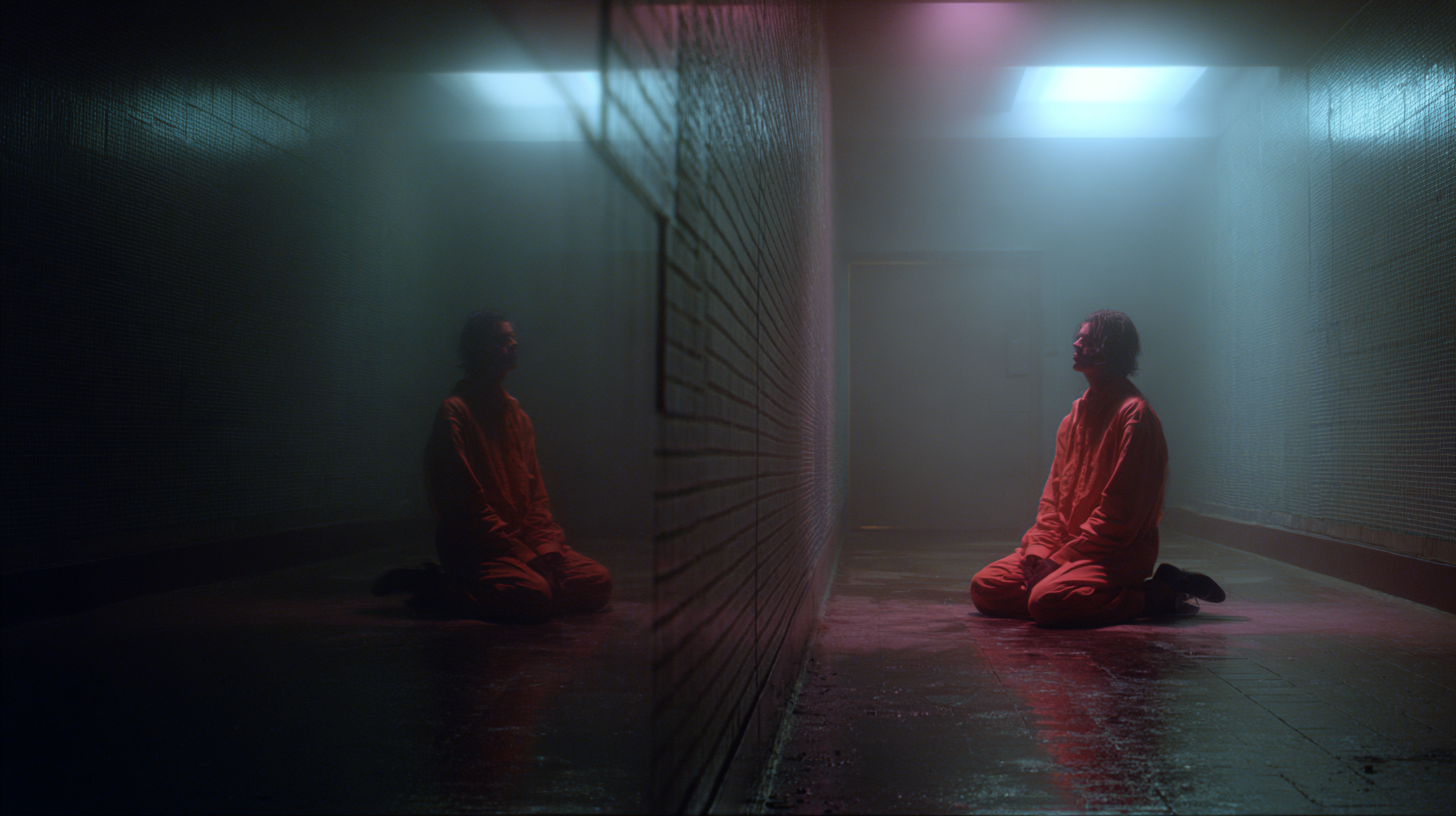
Narcissistic Personality Disorder (NPD) is a Cluster B personality disorder, defined by the DSM-5-TR as a pervasive pattern of grandiosity, a sustained need for admiration, and a marked lack of empathy - present across contexts, emerging by early adulthood. It sits alongside borderline, histrionic, and antisocial personality disorders: the cluster defined by drama, emotional intensity, and the kind of interpersonal friction that tends to leave a mark.
But the diagnostic criteria - useful as they are - describe what you see from the outside. They catalogue the performance without explaining the performer. And for anyone who has actually tried to understand a narcissist, the performance is the least interesting part.
The two foundational theoretical frameworks disagree, productively, on what's underneath.
Heinz Kohut's self-psychology model offers what clinicians call the deficit model. In Kohut's account, pathological narcissism is an arrested developmental process - the consequence of early childhood failures in empathic attunement between parent and child.
Matt Hussey
When a child's emotional experience isn't adequately mirrored back to them, the normal integration of self-structure doesn't occur. What develops instead is a compensatory grandiose self: an inflated, defended construction built to substitute for the cohesion that never formed. The arrogance is compensation. The entitlement is a wound in armour.
Otto Kernberg's object relations model reaches a darker conclusion. For Kernberg, the narcissistic presentation is built not on longing but on organised aggression. The grandiose self isn't just protective - it's hostile at its core, fused with a deep, chronic envy of others who seem to possess what the narcissist cannot internalise. Where Kohut sees arrested longing, Kernberg sees contempt wearing a mask.
These aren't just competing theories. They explain why narcissists are so profoundly disorienting to be around. The person you encounter is simultaneously fragile and hostile. Desperately needing you. Completely contemptuous of needing you.
"The arrogance isn't the thing. It's the wound underneath the arrogance - and the violence that wound produces when it's touched."
The Two Faces - And Why Most People Only Recognise One

Most people can identify grandiose narcissism when they're standing in front of it: the bragging, the entitlement, the dismissiveness, the disproportionate response to criticism. What they don't recognise - and what causes far more confusion and far more damage in close relationships - is the other face.
Research by Aaron Pincus and colleagues at Penn State identifies two distinct phenotypic themes in pathological narcissism: narcissistic grandiosity and narcissistic vulnerability. Crucially, both can be expressed overtly or covertly - and within the same individual, often in the same week.
Vulnerable narcissism - sometimes called covert or hypersensitive narcissism - presents with self-consciousness, social insecurity, and chronic defensiveness. It wraps grandiosity in fragility, victimhood, and the quietly corrosive belief that the world has consistently failed to recognise what this person deserves. The covert narcissist isn't loud. They're perpetually misunderstood. The last to be appreciated. The one who always, somehow, gets less than they're owed.
Matt Hussey
The clinical insight that matters: these aren't two different types of narcissist. They're two states within the same person.Grandiose and vulnerable states oscillate - the grandiosity collapses under real-world friction into wounded withdrawal; the withdrawal rebuilds, slowly, into entitlement again.
This is the cycle that makes being close to a narcissist so exhausting, so confusing, and so difficult to leave. You keep waiting for the version of them you first met to come back. Sometimes it does, briefly. That's the mechanism.
Inside the Engine - What's Actually Driving This
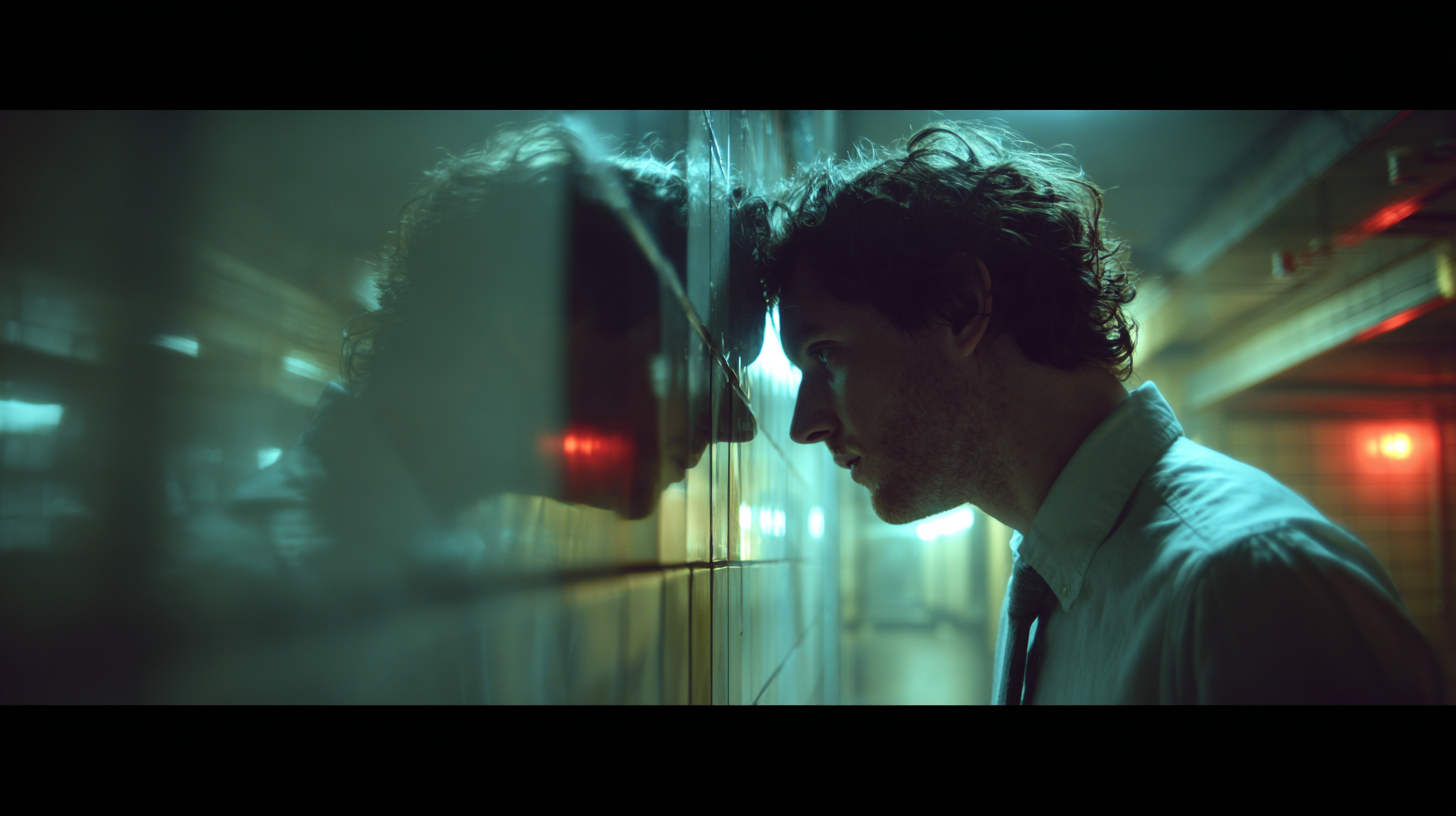
Three interlocking forces produce the pattern. Understanding each one separately makes the whole thing legible.
The Empathy Deficit - and Its Misconceptions
The lack of empathy in NPD is frequently mischaracterised as simple coldness. Clinical observations consistently show something more specific: narcissists often possess substantial cognitive empathy - the ability to read people, model emotional states, understand what makes someone tick.
What's absent or severely diminished is affective empathy: the felt resonance of another person's experience. They know what you feel. They just don't feel it with you. This distinction is critical, because it explains how someone can be a brilliant social reader and simultaneously capable of devastating cruelty. It isn't inconsistency. It's architecture.
Narcissistic Rage - When the Mask Slips
The most dangerous moment with a narcissist isn't the charm, or the entitlement, or even the manipulation. It's the injury. When the grandiose self-image is punctured - by criticism, rejection, or any perceived slight - the response is disproportionate, relentless, and often frightening.
Kohut termed this narcissistic rage: an easily activated destructiveness with no limits on the need to redress the perceived grievance. Ordinary frustration becomes intolerable because it breaches the delusional logic of specialness. You didn't just disappoint them. You confirmed their deepest, most inadmissible fear: that they are not, in fact, exceptional. There is no statute of limitations on that particular offence.
Matt Hussey
The Supply Cycle - Love Bombing, Devaluation, Discard
The relational pattern that leaves survivors most confused, and most damaged. The cycle is well-documented, clinically and in survivor accounts: an initial period of idealisation - intense, intoxicating, often overwhelming attention and affection - followed by a gradual shift into criticism, contempt, and erosion of self. Then, in many cases, an abrupt discard. Or just enough reactivation of the idealisation phase to keep the target anchored.
This isn't calculated strategy in the way a manipulation manual would frame it. For many narcissists, it's the output of a specific clinical failure: object constancy deficit - the inability to hold a stable, integrated view of another person as having both good and bad qualities simultaneously.
The idealised version collapses not because the narcissist has decided to turn cruel, but because they were never able to sustain a realistic image of you in the first place. The person who loved you wasn't lying. They were projecting. And projections, by nature, can't last.
"They know what you feel. They just don't feel it with you. That distinction is everything."
What Makes a Narcissist - The Origins

Resist simple causation here. The DSM-5-TR acknowledges that NPD involves a combination of biological, psychological, social, and environmental factors. Twin studies suggest meaningful heritability. Neuroimaging research points to structural differences in regions associated with empathy and emotional regulation. Neither biology nor environment alone tells the story.
The dominant clinical frameworks remain developmental, and they describe two common - and on the surface, contradictory - pathways.
The first is neglect and emotional unavailability: the cold, hypercritical parent who fails to provide adequate mirroring. The child who never receives consistent empathic attunement learns that their emotional experience is either invisible or unwelcome. They construct a false, grandiose self as a survival architecture - a way of existing in a world that doesn't see them.
Matt Hussey
The second is excessive idealisation: the paradox of the over-praised child. When a parent's love is contingent on performance, achievement, or the child's role as an extension of the parent's own self-image, the child absorbs a specific, toxic lesson: their worth is always conditional, always must be demonstrated, and can never be safely internalised. The adult inherits an insatiable need for validation - with no psychological mechanism to actually hold it.
Neither pathway is destiny. Most children who experience either emerge without NPD. But both leave their mark - and they explain some of the disorder's most counterintuitive features, not least the fact that the person presenting with the most impenetrable self-confidence is often the most structurally fragile.
Narcissism at Scale - Culture, Power, and the Institutions That Select for It

Individual psychology is one thing. But narcissism doesn't confine itself to bedrooms and therapy offices. It operates - and thrives - in boardrooms, parliaments, newsrooms, and hospitals.
The question worth asking is not just why some individuals develop NPD, but why the environments most richly reward narcissistic traits. The hunger for admiration is a permanent fuel source. It doesn't tire. It escalates. And in competitive hierarchies, that escalation reads as ambition.
Matt Hussey
Christopher Lasch, in The Culture of Narcissism (1979) - a book that has aged with uncomfortable precision - argued that narcissistic character traits weren't aberrations but logical adaptations: the psychological output of a culture that prizes image over substance, performance over authenticity, and self-advancement over solidarity. The narcissist, in Lasch's account, isn't only produced by dysfunctional families. They're also produced by functional markets.
This is important for anyone who finds themselves confused about why a narcissist keeps rising despite the damage they leave. The systems that select for charm, confidence, and relentless self-promotion aren't accidentally indifferent to the distinction between real confidence and performed confidence. They were built without that distinction. They will keep producing the same result.
What It Does to the People Around Them

The interior architecture of narcissism is interesting. The damage it produces is the point.
Prolonged exposure to NPD - in a relationship, a family system, a workplace - produces a recognisable clinical picture in the people adjacent to it. Disrupted self-perception. Chronic self-doubt. Hypervigilance. A corrosive, pervasive sense of shame that doesn't quite have a source. Difficulty trusting one's own perceptions - the overlap with gaslighting here is not incidental; it is structural.
Matt Hussey
People close to narcissists often lose the thread of their own experience. They become so skilled at managing the narcissist's emotional state - reading the signals, navigating the landmines, pre-empting the rage - that their own needs become invisible even to themselves. The clinical term is object coercion. The lived experience is simpler and harder: I forgot who I was before them.
This is perhaps the most important thing to name. The confusion survivors feel isn't weakness or gullibility. It's the predictable output of sustained, intimate contact with someone whose psychological architecture requires them to occupy the centre of another person's world. The cost of that occupancy, over time, is the other person's self.
Can They Change? The Honest Answer

NPD is among the most treatment-resistant of the personality disorders - but the reason matters, and it's not what most people assume.
It isn't that change is impossible. It's that treatment requires a degree of sustained vulnerability that the entire architecture of the disorder exists to prevent. The thing therapy demands - honest self-confrontation, the capacity to sit with shame without converting it instantly to rage or denial - is the very thing the grandiose self was constructed to avoid. Asking a narcissist to engage authentically in therapy is, in some respects, asking them to dismantle the structure that keeps them functional.
Some do engage, particularly following catastrophic loss - a marriage, a career, the physical decline of later life. Research on psychodynamic approaches to severe narcissistic pathology, particularly Kernberg's transference-focused psychotherapy, demonstrates that change is possible with skilled, boundaried clinical work over extended periods. It is not common. It is not quick. And it requires the narcissist to genuinely experience themselves as the source of their problems - not as the victim of others' failure to appreciate them.
For those on the outside: the prognosis matters. Insight without motivation changes nothing. Tactical empathy - the kind deployed during love bombing - isn't the same as genuine willingness to change. Knowing the difference may be the most important thing a survivor can learn.
What You Do With This

Understanding narcissism isn't an academic exercise. It's protective. It changes how you read the people in your life, how you respond to the pull of extraordinary charm, and how quickly you recognise the cycle when it starts. Three things matter most.
Name it accurately. Not everyone who's difficult is a narcissist. The clinical reality is more specific than pop psychology allows, and the dilution of the word does real harm - it lets the genuine article pass unrecognised, and it mischaracterises people who are just difficult, or hurting, or having a bad year. Precision protects.
Matt Hussey
Understand the cycle. The love bombing wasn't fake - not in the narcissist's subjective reality, which is always, entirely, about them. Understanding the supply cycle decouples the most corrosive confusion: it wasn't that they stopped loving you. It's that you were never quite real to them. You were a function. A mirror. A source. Knowing this isn't closure, but it's the precondition for it.
Reorient toward yourself. The most useful thing someone can do after recognising they've been in a narcissistic relationship is not to fix, change, or understand the narcissist further. It's to recover the self that got quietly dismantled in the process. Therapy. Honest support. And - urgently - permission to trust their own perceptions again. The narcissist spent months or years undermining exactly that. Rebuilding it is the work.