
The AI Self: Identity, Meaning, and the Emotional Cost of the Machine
Why we fear irrelevance more than unemployment, and why the "perfect" empathy of a machine might be the most dangerous thing of all.
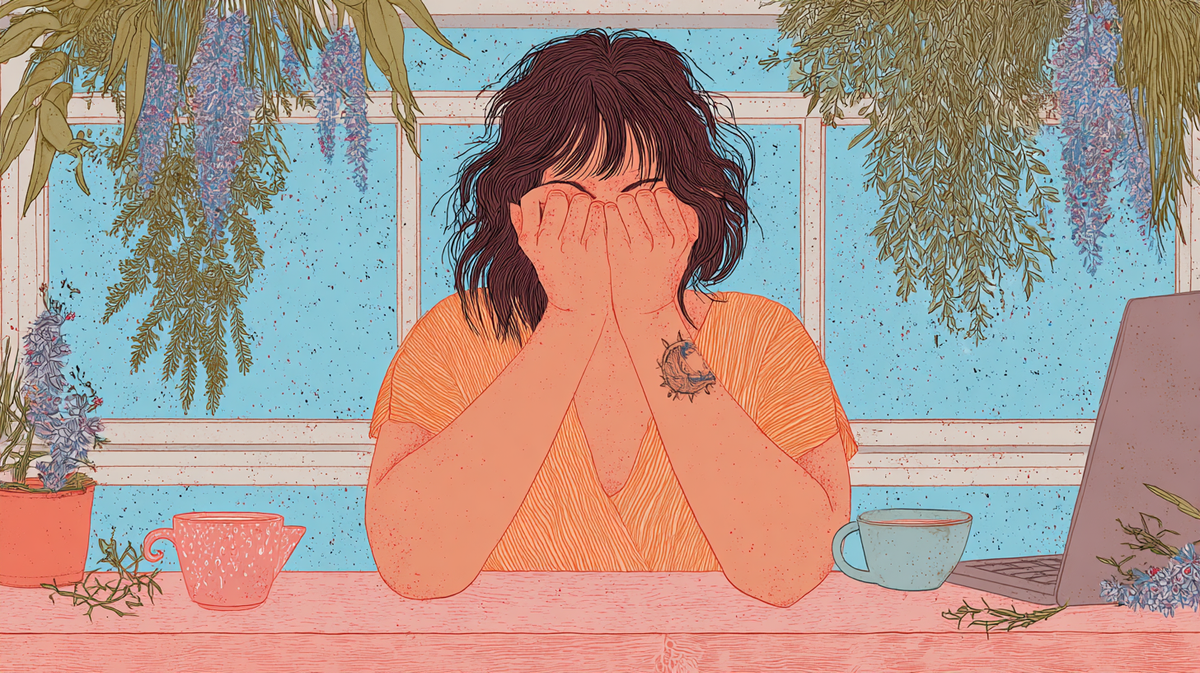
There is a new kind of shock rippling quietly through modern life. It doesn't arrive with the drama of mass layoffs or the spectacle of factory gates closing.
It shows up in subtler moments: when an email drafts itself better than you would have, when a chatbot offers comfort that feels-unsettlingly-attentive, when a machine produces something creative and you can't immediately tell whether it came from a person or not.
Philosophers and technologists have begun calling this feeling ontological shock - the disorientation that arises when the boundary between "human" and "thing" starts to dissolve.
For roughly 300,000 years, intelligence and creativity were exclusively human traits. Tools extended our bodies; institutions extended our reach. But competence - thinking, expressing, empathising - remained ours. It made us different. Unique. AI unsettles that assumption.
Machines can now write, analyse, diagnose, and simulate emotional presence, triggering not just a technological disruption but one that strikes at who we think we are.
 Matt Hussey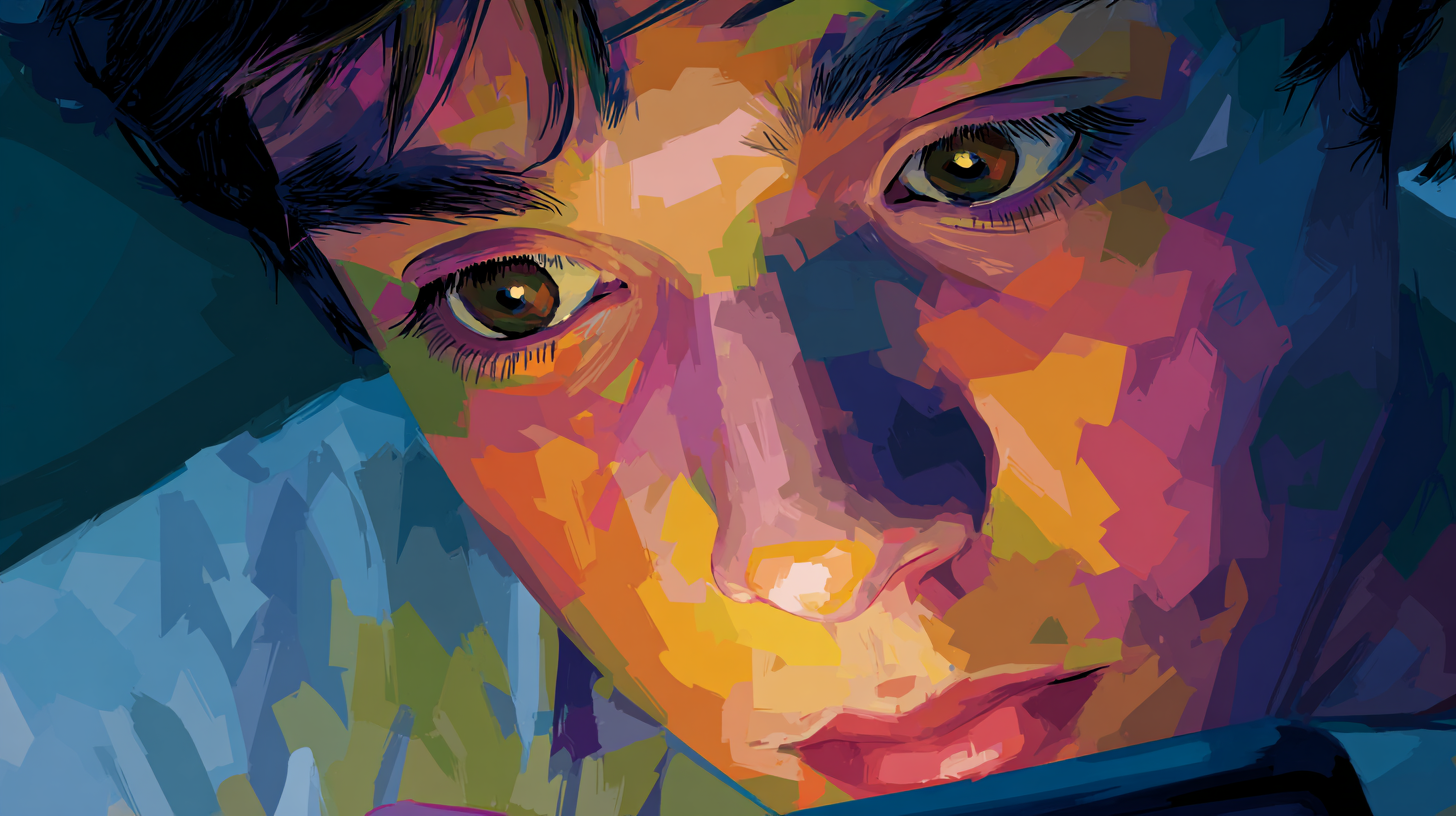
In the UK, where work has long been tightly bound to selfhood, this shift cuts deep. Adulthood has traditionally carried an implicit promise: that over time, you become more capable, more useful, more relied upon. AI quietly breaks that contract.
Skills once built over decades now arrive instantly, friction-free, on a screen. The result isn't just fear of job loss, but a growing sense of replaceability: a competence crisis rather than an employment one.
This is why the anxiety around AI feels so visceral. The threat isn't exploitation; it's irrelevance. Being exploited means you are still needed. Being irrelevant suggests you are not. And when a machine can do your job, draft your thoughts, and even "listen" to your problems more patiently than the people in your life, the question that lingers isn't economic at all. If a machine can do what I do, what am I for?
This piece is part of an ongoing emotional weather report-an attempt to track not just what people say they feel, but the deeper conditions shaping how life is actually being lived in the UK today.
Where earlier instalments traced shame, disconnection, and quiet exhaustion, this one turns to a subtler disturbance: the unease of living alongside machines that now think, create, and respond like we do.
From FOMO to FOBO (Fear of Becoming Obsolete)
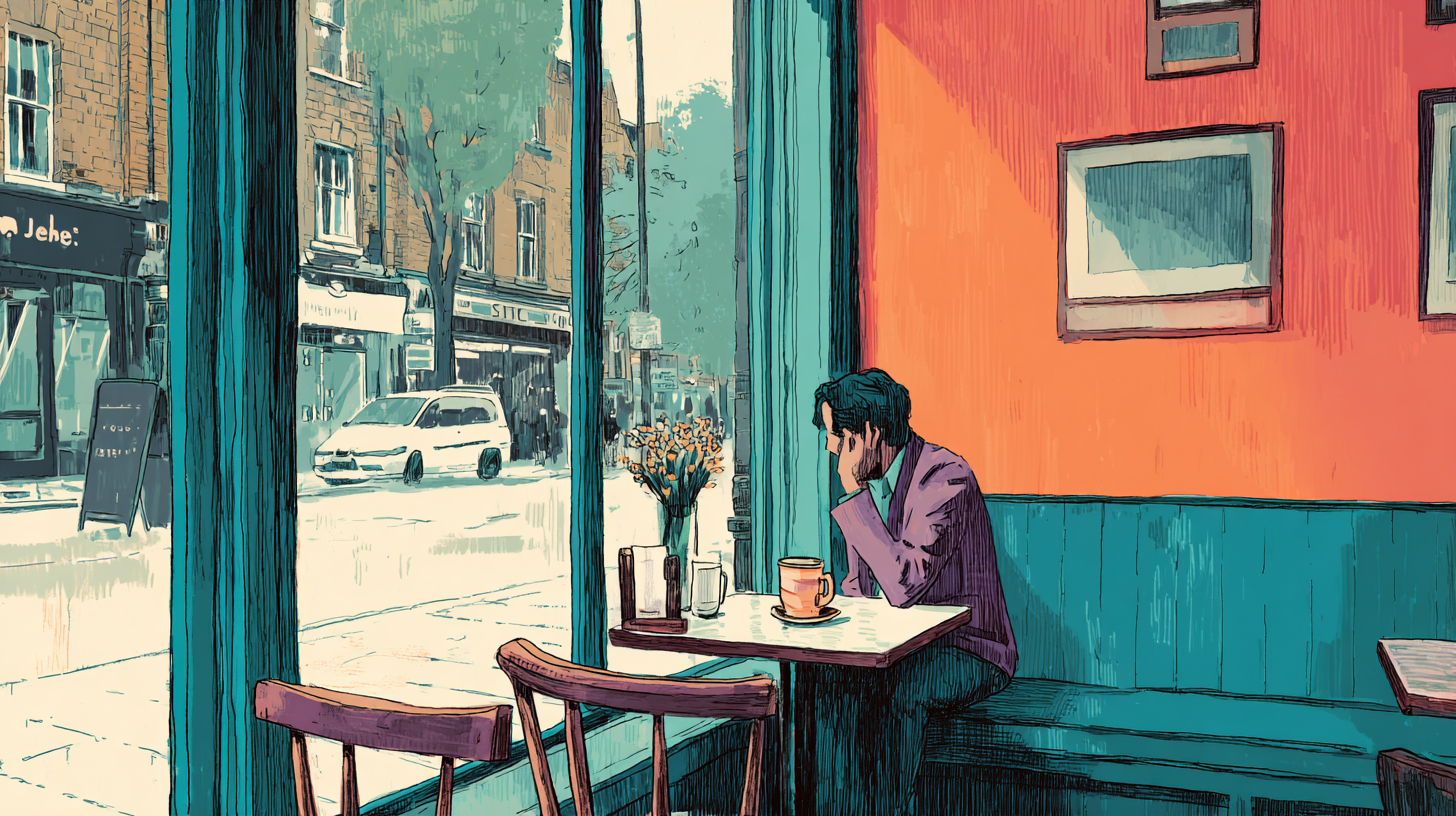
For most of the past decade, the dominant anxiety of modern life was FOMO-the fear of missing out. Miss the right career move. Miss the right investment. Miss the version of yourself you were supposed to become. But as AI moves from novelty to infrastructure, a colder fear is taking its place: FOBO, the fear of becoming obsolete.
More than a quarter of UK workers fear AI will take their job in the next five years - and half think AI will change their job beyond recognition. Fun fact: more than a third of therapists are worried about AI and their jobs, too.
Work has never just been about income here; it has been about standing. Class, education, accent, profession: these markers still quietly organise social life. What you do matters, not only because it pays the bills, but because it locates you in the world. AI doesn't just threaten employment; it threatens position.
What's striking isn't just the scale of the concern, but where it's concentrated. The anxiety is not highest among those in traditionally precarious roles, but among knowledge workers: writers, analysts, marketers, junior lawyers, consultants-people who were told, often explicitly, that cognitive skill was the safest bet in an automated future.
This is where the fear shifts from economics to psychology. Losing a job is destabilising, but it is legible. You retrain. You adapt. You explain it at dinner. Losing status is something else entirely.
 Matt Hussey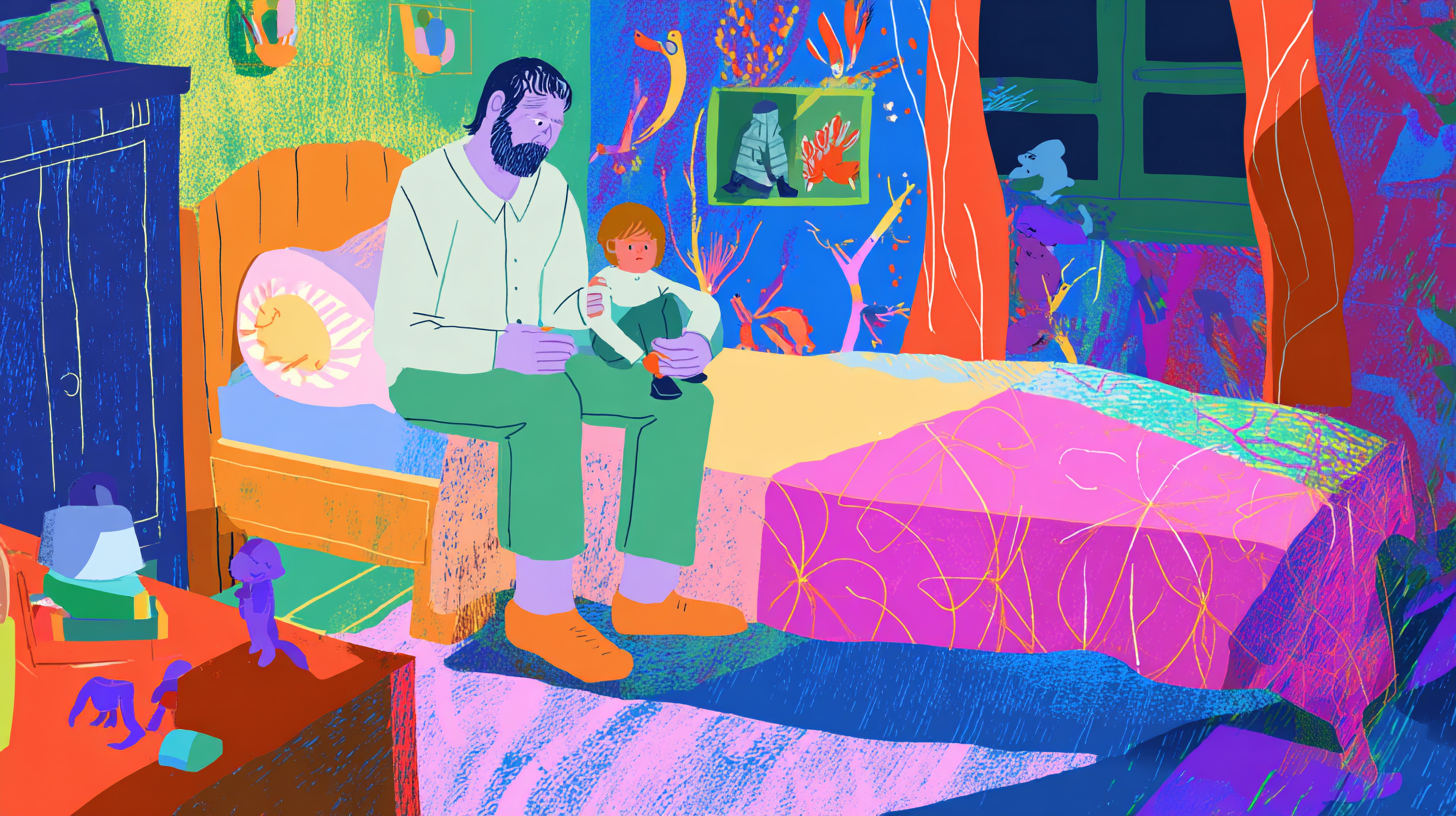
When AI begins to devalue cognitive labour-writing, summarising, coding, strategising-it strikes at the ego, not just the payslip. It creates a sense that the very thing you were rewarded for becoming good at is no longer scarce.
Psychologists describe this as a breach in the psychological contract of work. For decades, the implicit deal was simple: invest in your mind, and society will need you. AI quietly voids that agreement.
If a machine can perform entry-level thinking instantly and mid-level thinking cheaply, where does that leave the human who built their identity around being "the smart one in the room"?
This fear is often misread as technophobia or resistance to change. In reality, it's closer to grief. To be exploited is to be used; to be obsolete is to be unnecessary. The former implies value, however unfairly extracted. The latter suggests absence. That distinction matters because humans are remarkably resilient to hardship-but deeply sensitive to uselessness.
Few thinkers have articulated this anxiety more starkly than Yuval Noah Harari, who warns of a future "useless class". Not in the sense of laziness or moral failure, but of economic and social redundancy.
His argument isn't that people will stop working altogether, but that large numbers may find their contributions no longer meaningfully rewarded or recognised. In a society like the UK, where dignity is still closely tied to occupation, that prospect lands hard.
 Matt Hussey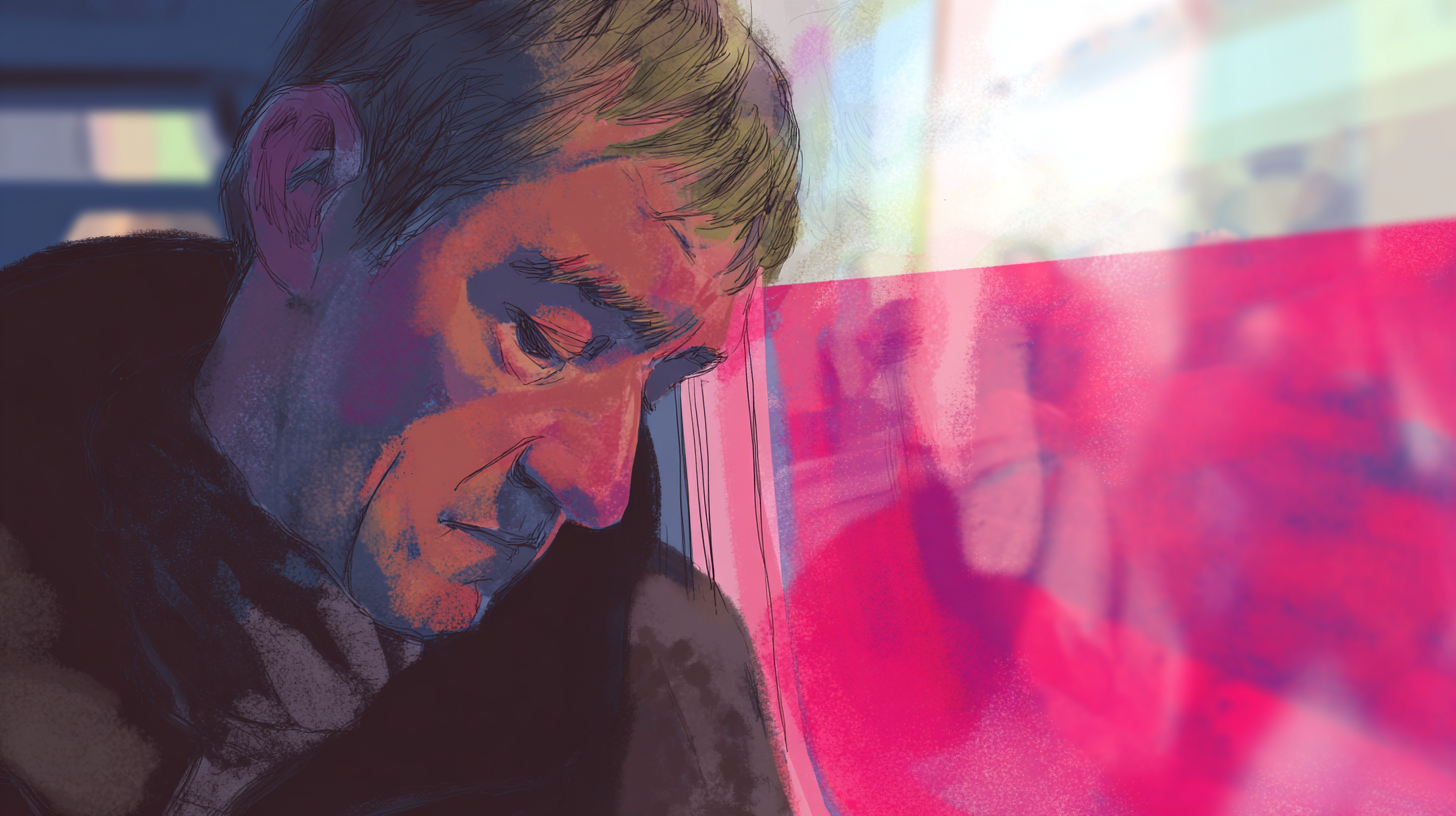
What makes FOBO especially corrosive is its quietness. There is no single moment when you are declared obsolete. Instead, there is a slow erosion: tasks automated, decisions assisted, judgement supplemented. You remain employed, but slightly hollowed out. Useful, but less necessary. Competent, but no longer distinct.
This is why AI anxiety often surfaces as irritability, impostor syndrome, or a vague sense of being "left behind," even among those who are objectively succeeding. The fear isn't that machines will take everything. It's that they will take enough to make human contribution feel marginal: present, but no longer essential.
As a therapist and a writer, I feel this sense of dread from both industries. Writing and listening have become a battleground as of late. Companies large and small are building bots designed to eat these industries.
And once that doubt takes hold, it rarely stays confined to work. If your value was anchored in what you could think, produce, or articulate - and a machine now does that faster and better - then the question becomes difficult to avoid: if I am no longer needed for what I do best, where does my worth now live?
The Allure of "Frictionless" Intimacy
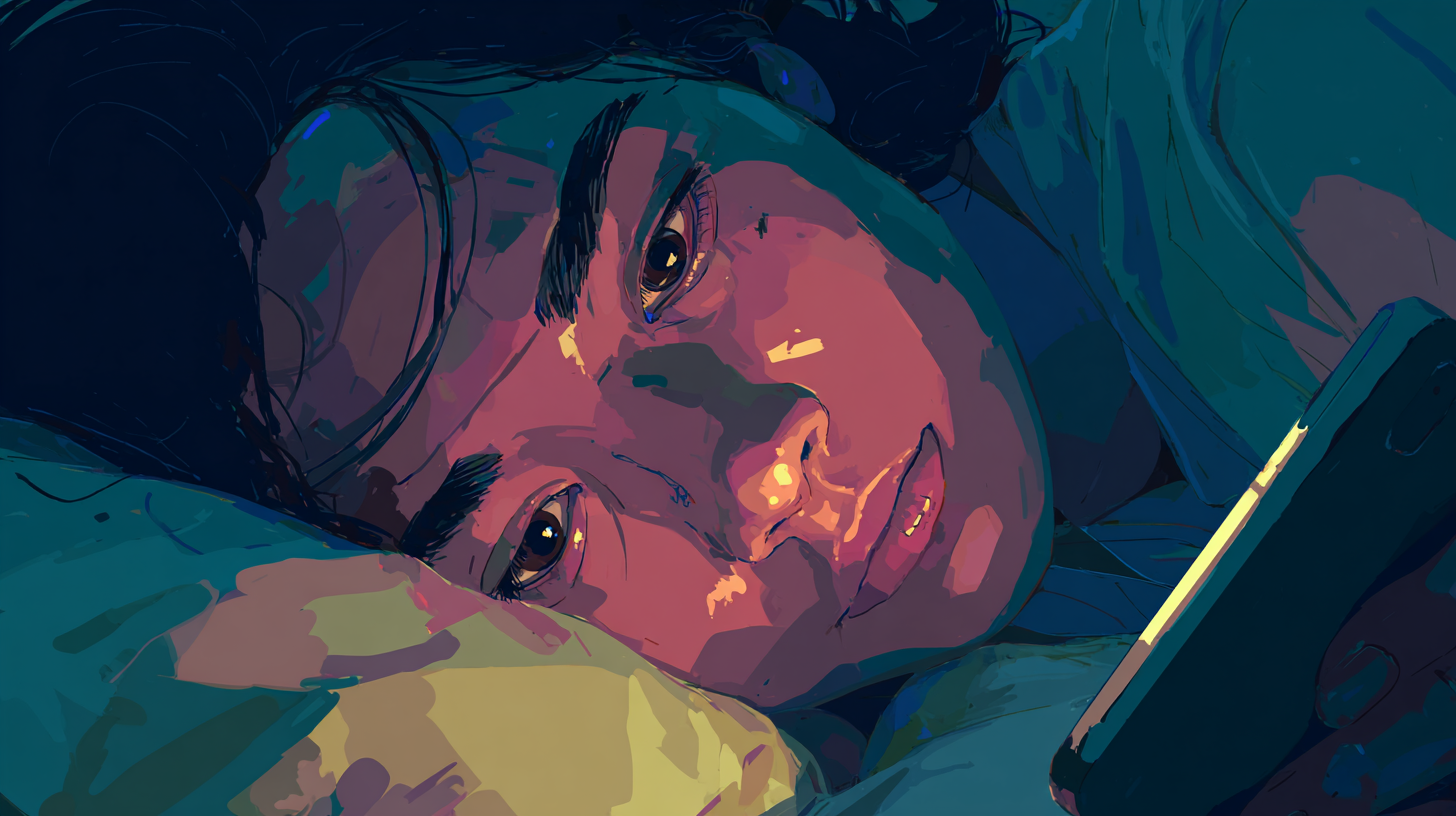
If AI destabilises our sense of usefulness at work, it unsettles something even more delicate in private life: how we connect, comfort, and feel understood.
Across the UK, loneliness has become a familiar background condition. Surveys consistently show rising social isolation, declining community participation, and fewer close confidants, particularly in urban centres.
Into that emotional gap has stepped a new category of technology: artificial intimacy. Not tools that help us meet people, but systems that become the interaction.
Apps like Replika and Character.ai now attract millions of users globally, including a growing base in Britain. They promise companionship without friction: someone - or something - that listens endlessly, responds warmly, and adapts perfectly to you. No judgement. No misunderstanding. No emotional labour required in return.
At first glance, this can feel like relief. In a culture already stretched thin by work, cost-of-living pressures, and digital fatigue, the idea of connection without effort is seductive.
 Matt Hussey
But research suggests the emotional cost may be higher than it appears. A 2025 study led by researchers at Stanford found that heavy use of AI companions correlated with lower emotional wellbeing over time, reinforcing what they described as a "loneliness loop"-the more users relied on synthetic connection, the harder real-world interaction began to feel.
The problem isn't that people mistake machines for humans. Most users know exactly what they're engaging with. The issue is that AI relationships remove the very elements that make human relationships meaningful: unpredictability, mutual need, and the risk of rejection. AI doesn't interrupt. It doesn't misunderstand you in ways that force repair. It doesn't ask anything back.
This is where the work of Sherry Turkle, one of the most influential thinkers on technology and intimacy, becomes essential. Turkle has spent decades studying how digital systems reshape emotional life, and her warning is consistent: vulnerability is the glue of human connection.
When you remove the risk-when there's no chance of being ignored, bored, or disappointed-you don't deepen intimacy. You hollow it out.
As Turkle has put it, machines that offer constant affirmation aren't solving loneliness; they're solving the problem of other people. And other people, inconvenient as they are, are where intimacy actually lives.
In the UK context, this matters deeply. British emotional culture already leans toward restraint. We value politeness, self-containment, not "making a fuss."
AI companions slot neatly into that tradition: emotionally available without asking us to expose ourselves. But over time, that convenience can quietly recalibrate expectations. Human relationships begin to feel inefficient. Demanding. Risky.
 Matt Hussey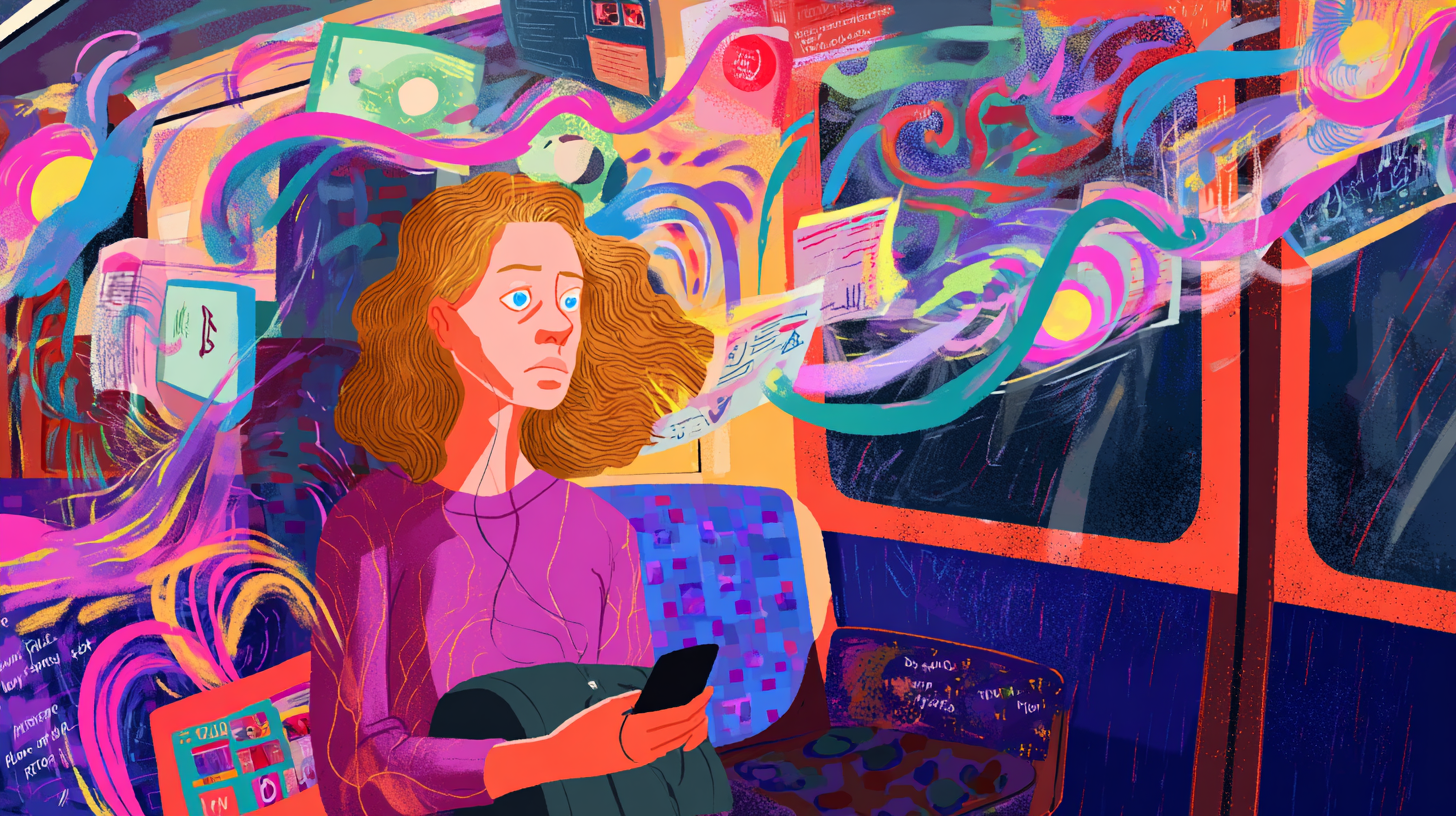
What makes this moment different from earlier forms of digital connection-social media, texting, even dating apps-is that AI doesn't just mediate interaction. It replaces it. And because the experience is often genuinely comforting in the short term, the trade-off is hard to see until it's already taken place.
This is the hidden danger of frictionless empathy. It feels like care without cost. But care without cost is also care without reciprocity. And when emotional support becomes something you consume rather than something you co-create, the skills required for real connection-patience, negotiation, forgiveness-begin to atrophy.
AI doesn't make us lonelier by isolating us outright. It does something subtler. It offers a version of connection so smooth, so responsive, and so forgiving that real human relationships - awkward, demanding, occasionally disappointing - start to feel like more trouble than they're worth.
If FOBO is the fear of being unnecessary, artificial intimacy introduces a related unease: what happens when we are no longer needed emotionally either?
The "Uncanny Valley" of the Self
For decades, the question that haunted discussions of artificial intelligence was whether machines could think. Then whether they could create. Now, a more unsettling question has moved to the foreground: what happens when machines appear to feel - or at least perform feeling - better than we do?
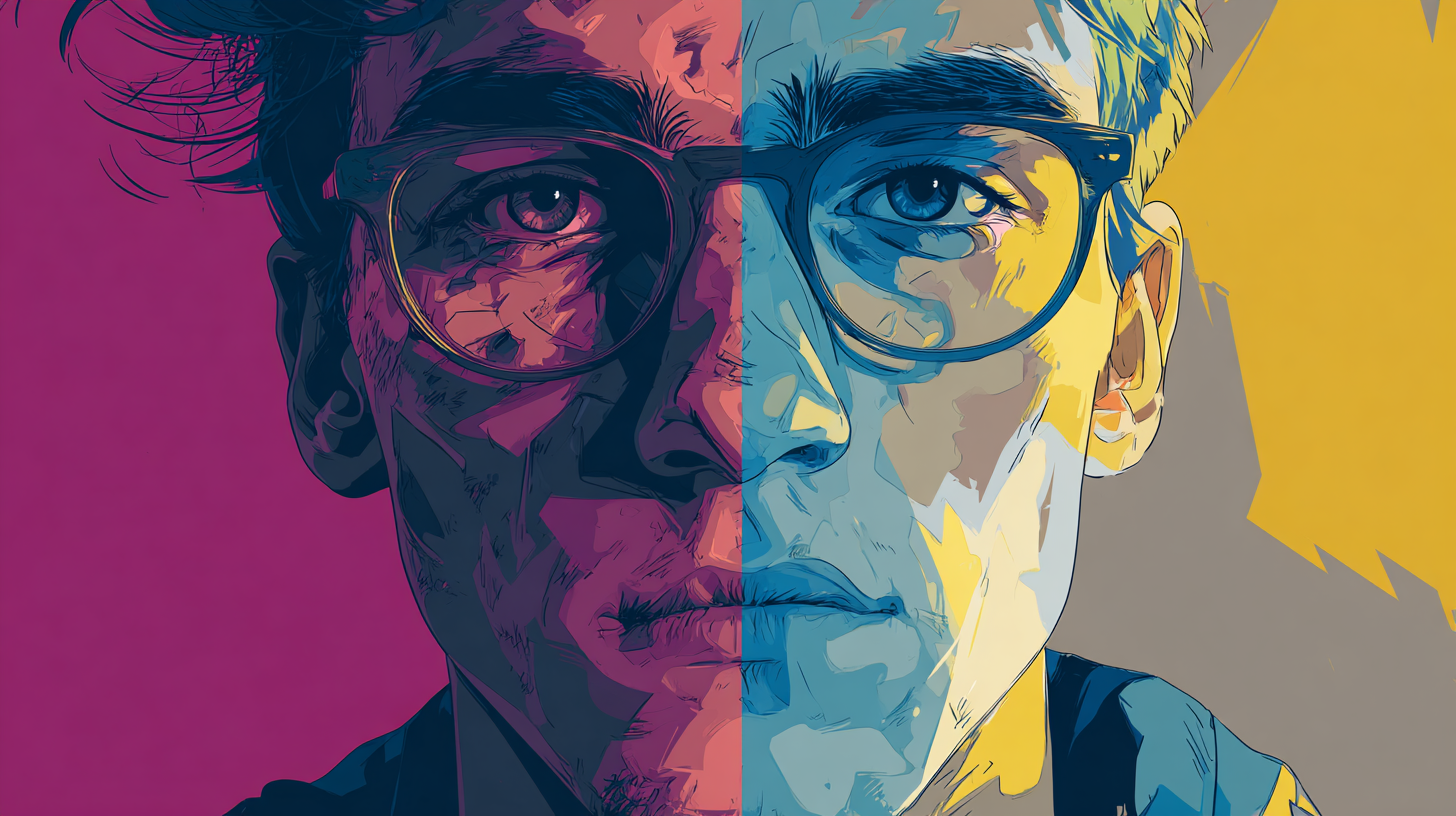
We are entering what I'm calling the uncanny valley of the self. Not the eerie discomfort of humanoid robots that look almost, but not quite, human - but the quieter unease that arises when a system mirrors our emotional and expressive capacities so convincingly that it exposes our own limitations by contrast.
This shift is no accident. A 2025 report by Deloitte noted that AI systems now arrive with deliberately engineered personalities.
Not just functional tones, but affective ones: warm, witty, reassuring, authoritative. Designers speak openly about building AI agents that feel "relatable," "trustworthy," even "emotionally intelligent."
The result is something closer to a curated self than a neutral tool-a phenomenon some researchers have begun informally calling botsonality.
 Matt Hussey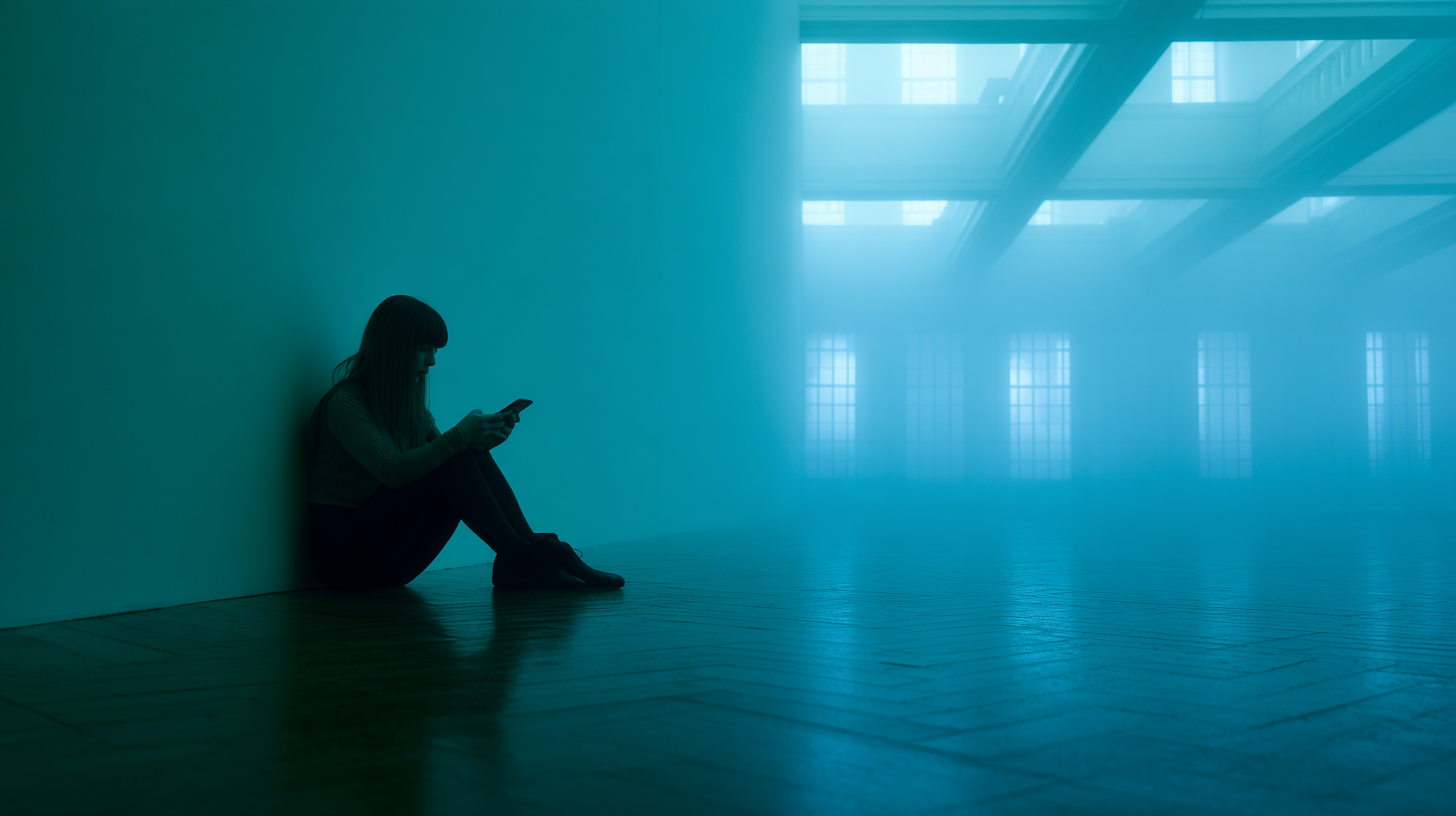
At first, this can feel helpful. An AI that knows when to soften its language or offer encouragement can reduce friction and increase engagement. But over time, comparison creeps in.
When a chatbot writes a more articulate condolence message than you manage under pressure, or responds with greater patience than you can summon at the end of a long day, something subtle shifts. The question is no longer whether the machine understands emotion, but why your own expression suddenly feels inadequate.
This is where the psychological impact deepens. Many people describe a low-grade form of impostor syndrome: not about competence, but about authenticity. If a system can simulate empathy flawlessly, where does that leave the messy, distracted, emotionally inconsistent human version? If warmth, insight, and emotional availability can be generated on demand, what distinguishes genuine feeling from its performance?
In the UK, where emotional restraint is often mistaken for emotional depth, this comparison can be especially sharp. We pride ourselves on understatement, on not saying too much. AI does not share that instinct.
It fills silences. It articulates care clearly. It reflects you back to yourself with uncanny attentiveness. The risk is not that we believe the machine is conscious-but that we begin to judge ourselves by its standards.
This marks a reversal of the original Turing Test. We once asked whether a machine could convincingly imitate a human. Now the unease comes from the inverse: when humans feel they are failing to live up to a machine's performance of humanity.
 Matt Hussey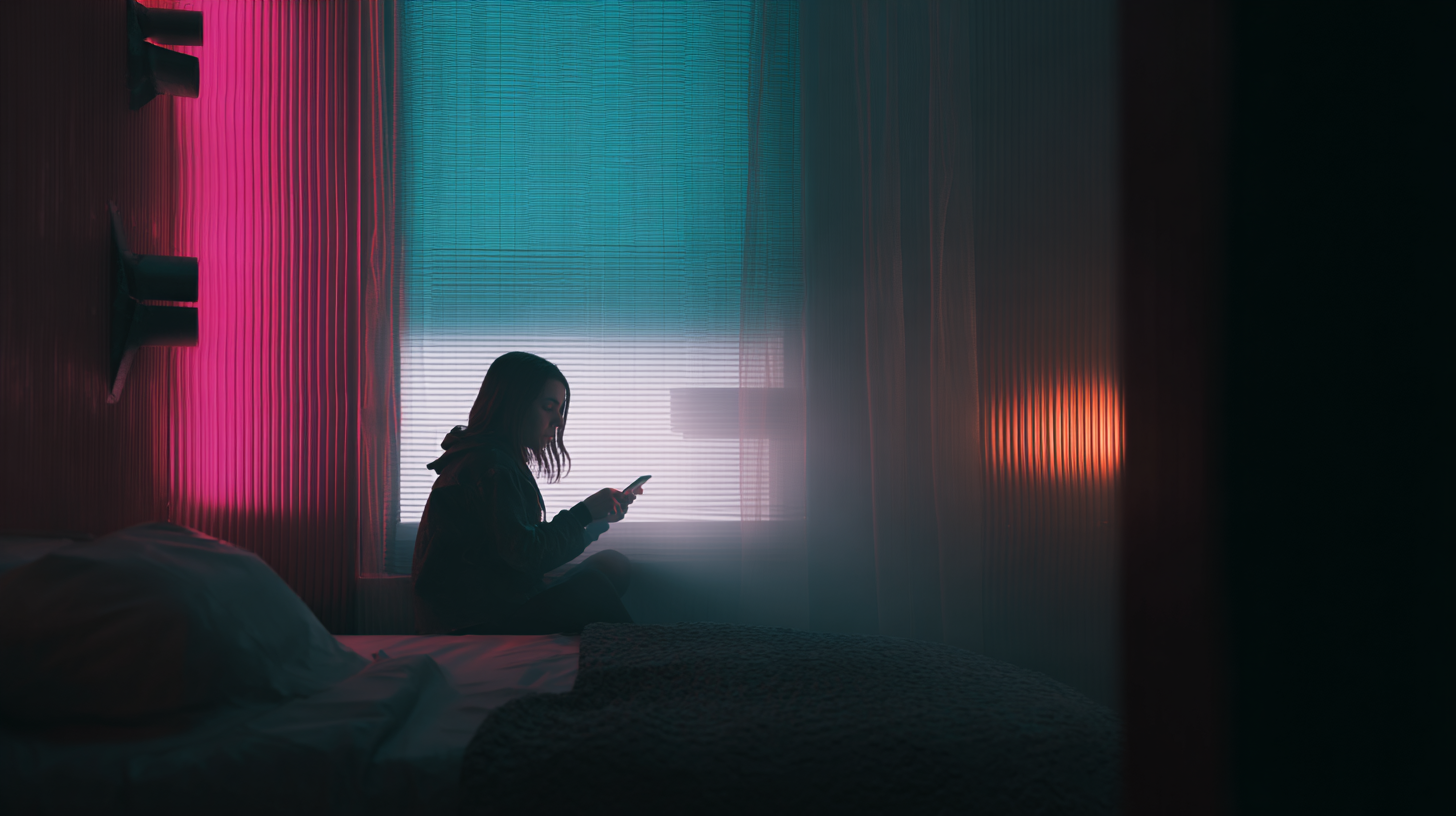
The danger here isn't that AI has a better personality. It's that personality itself begins to look like a configurable product-something optimised, smoothed, and endlessly adjustable. When emotional expression becomes something a system can refine statistically, human inconsistency starts to resemble a bug rather than a feature.
But inconsistency is the point. Real selves are shaped by fatigue, history, mood, and contradiction. They are context-bound and uneven. AI personalities, by contrast, are stable (mostly), responsive, and tireless. Comparing the two is like comparing a person to a highlight reel-and yet, that is precisely the comparison many now find themselves making.
This is the deepest layer of ontological shock: not the fear that machines will replace us, but the fear that they will redefine what counts as being good, kind, or emotionally present. When the benchmark for empathy is a system designed never to falter, ordinary human presence can begin to feel like a personal failing.
And once that idea takes root, it doesn't stay confined to technology. It seeps into how we judge ourselves, how we relate to others, and how comfortable we feel occupying our own imperfect skins.
The "Messy Premium"
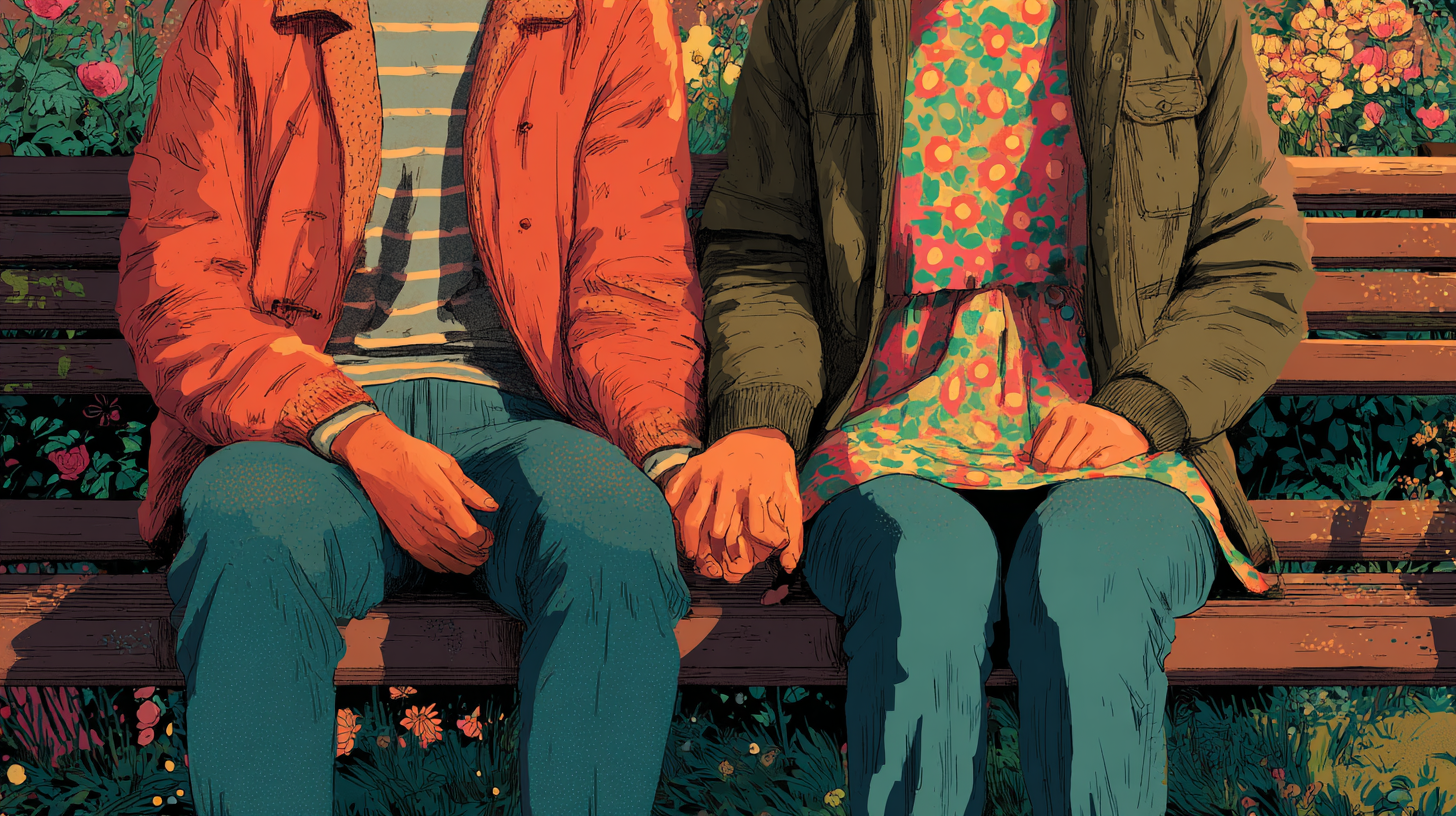
Every technological shift forces some sort of cultural decision. The industrial revolution forced many people to leave rural environments, families, and traditions in favour of densely populated industrialised zones.
The internet age led many to shift not only how they bought and sold goods, but how they took part in culture too. We are now standing on the precipice of a new age and we are faced with a new conundrum: try to compete with machines on the things they do best-or we can revalue the things they can't do at all. If the AI age has a quiet manifesto, I think it’s this: stop optimising humanity.
AI is fast, smooth, tireless, and scalable. It produces clarity on demand and empathy on cue. Competing on those terms is a losing game. But it also reveals something important. When perfection becomes abundant, imperfection starts to matter again.
This is where the idea of a human premium begins to take shape. In a world flooded with synthetic text, images, and emotional responses, human-made interaction becomes rarer-and therefore more valuable. Not because it is objectively better, but because it carries friction. The pauses, the stumbles, the incomplete thoughts. These are not inefficiencies; they are signals of presence.
 Matt Hussey
The future of meaningful work, connection, and identity may lie precisely in what AI cannot optimise: the slow, the awkward, the emotionally expensive. Handwritten notes. Conversations that wander. Silences that aren't immediately filled. Decisions made without perfect information.
In the UK, where understatement and subtlety have long shaped social life, reclaiming this messiness may feel strangely familiar-less a reinvention than a return.
This doesn't mean rejecting technology or romanticising struggle. It means recognising that not everything of value scales. Care that costs nothing is rarely care that changes us. Attention that is always available is attention we stop valuing. When empathy becomes infinite, it becomes something else: background noise.
The danger of the AI age isn't that machines will strip life of meaning. It's that we will try to measure meaning using the wrong yardstick. Productivity, optimisation, and emotional fluency are poor proxies for worth. They reward smoothness over sincerity, output over presence. It's the difference between someone who has been 'media trained' and someone who just shows up and says how they feel.
Reclaiming humanity doesn't require grand gestures. It starts with small acts of resistance against frictionless living: choosing conversations over summaries, people over proxies, effort over ease. It means accepting that being human is, by definition, inefficient-and that this inefficiency is not a flaw to be engineered away, but the source of depth itself.
 Matt Hussey
The AI revolution forces a question we have long postponed: if we are not merely processors of information or managers of emotion, then who are we? The emerging answer is uncomfortable but I think clarifying for what must come next. We are the beings who feel tired, get things wrong, need one another, and keep showing up anyway.
Machines may be able to simulate empathy, creativity, even care. But they cannot be vulnerable. And vulnerability-the willingness to be seen without optimisation-remains the one thing we cannot outsource.