
The Masculinity Recession: Why Millions of Men Are Losing Purpose, Belonging, and Connection-and Why Society Should Care
Men are disappearing socially, economically, and emotionally. This deep dive explores the masculinity recession-why men are losing connection and purpose, what the data shows, and why this quiet crisis affects everyone.
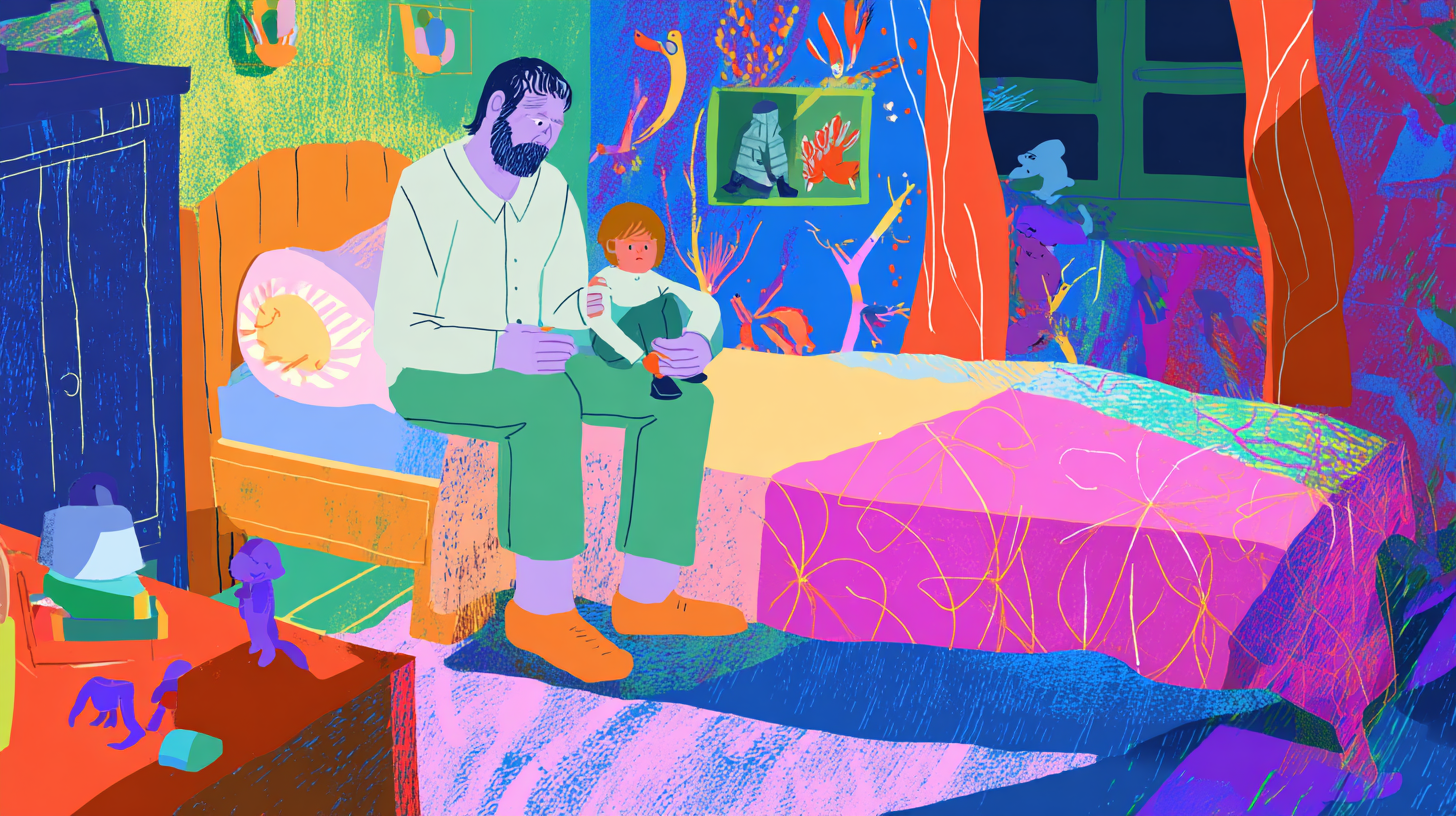
Men are disappearing-but not in the ways we're used to measuring. Not suddenly, and not always through crisis. But they are disappearing: from everyday participation, from family life, from social circles, from work, and from the routines that once anchored them.
This disappearance rarely announces itself. But if you look carefully, you can see it: fewer messages returned. Fewer invitations accepted. A steady thinning of presence that is easy to misinterpret as apathy or choice, rather than erosion. Men remain physically here, but increasingly absent from the shared life around them.
We tend to notice men's absence only when the exit is extreme: suicide statistics, crime figures, viral moments of collapse. But long before those moments, something else happens. Participation drops. Belonging weakens. Men stop showing up-not because they don't care, but because they no longer know where they fit.
We've known for some time that men, as a broad category, have been struggling. But "men" is not a monolith, and treating it as one has obscured where the real weight is being carried.
 Matt Hussey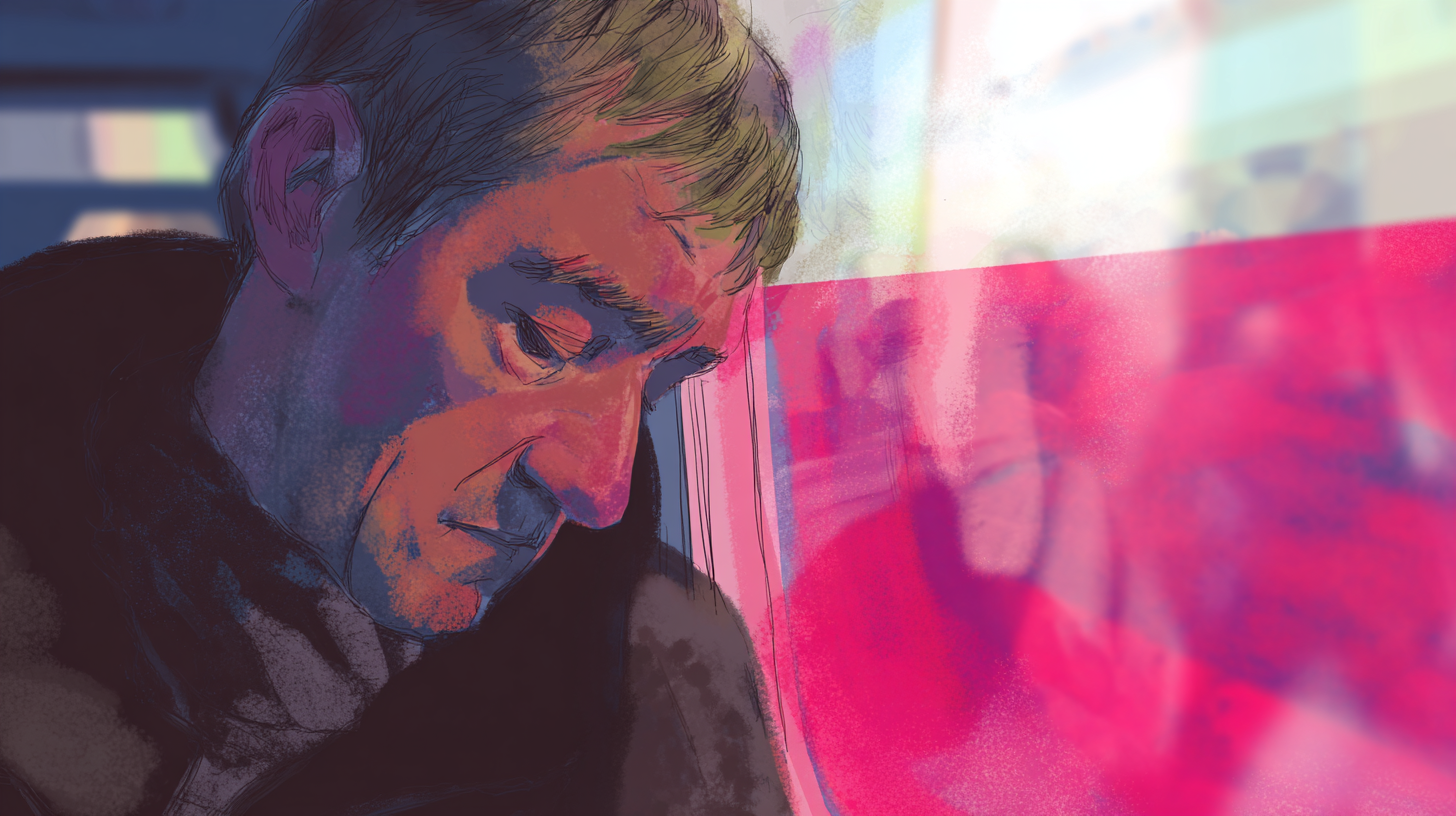
The dominant narrative has focused on young men, yet the heaviest load often sits elsewhere-among men in midlife and beyond, outside major cities, whose identities were built around roles that have since vanished, quietly and without replacement.
In the UK, men account for the majority of suicide deaths. Yet focusing only on death misses the deeper pattern. Suicide is not the beginning of the story. It is the end of one.
What comes before is quieter and harder to see: shrinking social circles, declining participation in work, and a slow evaporation of purpose. Men are losing not just jobs or partners, but the structures that once told them who they were and why they mattered.
This is not a backlash against progress, nor a rejection of gender equality. And it is not an argument that men's struggles somehow negate women's. It has become all too easy to make this a zero-sum game: where one group's pain must be minimised for another's to be taken seriously.
Women are struggling too-often carrying disproportionate emotional, economic, and caregiving loads. Understanding what is happening to men is not a diversion from that reality. It is part of it.
Last week I wrote about how young women are often society's canary in the coal mine. This story doesn't replace that. It helps locate other pressure points felt in society.
What we are witnessing instead with men of a certain age, is a failure of adaptation. The world changed faster than many were helped to change with it.
We are living through what can only be described as a Masculinity Recession. Like an economic recession, it is defined by contraction. Fewer friendships. Less work. Reduced confidence in the future. A narrowing of life itself.
 Matt Hussey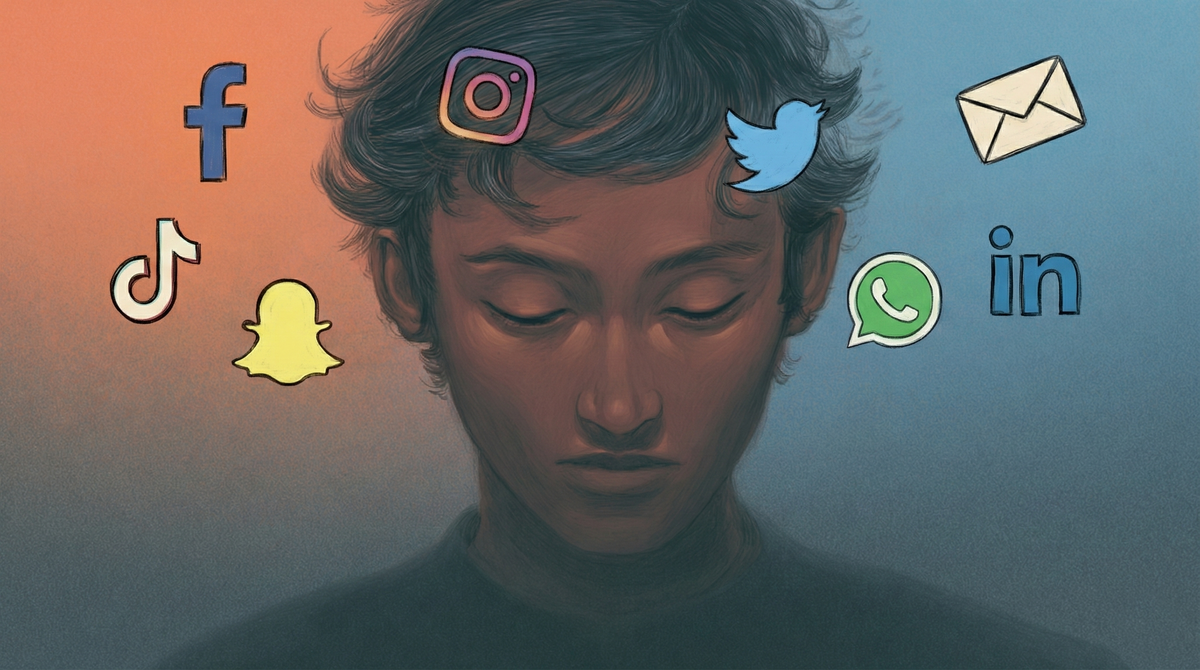
And as with any recession, the effects do not stay contained. When large numbers of men withdraw from everyday participation, society absorbs the shock. Isolation hardens into despair. Disengagement becomes normalised. This is not a threat narrative-it is a public health one. It also shapes our politics, too.
Understanding why this is happening-and which men are being hit hardest-is not about blame or nostalgia. It's about adaptation. And it matters to all of us.
This piece is part of an ongoing emotional weather report-an attempt to track not just what people say they feel, but the deeper conditions shaping how life is actually being lived in the UK today. If earlier instalments focused on shame, disconnection, and quiet exhaustion, this one turns to a group we talk about constantly, yet rarely with precision: men.
The Friendship Recession: Dying of Quiet
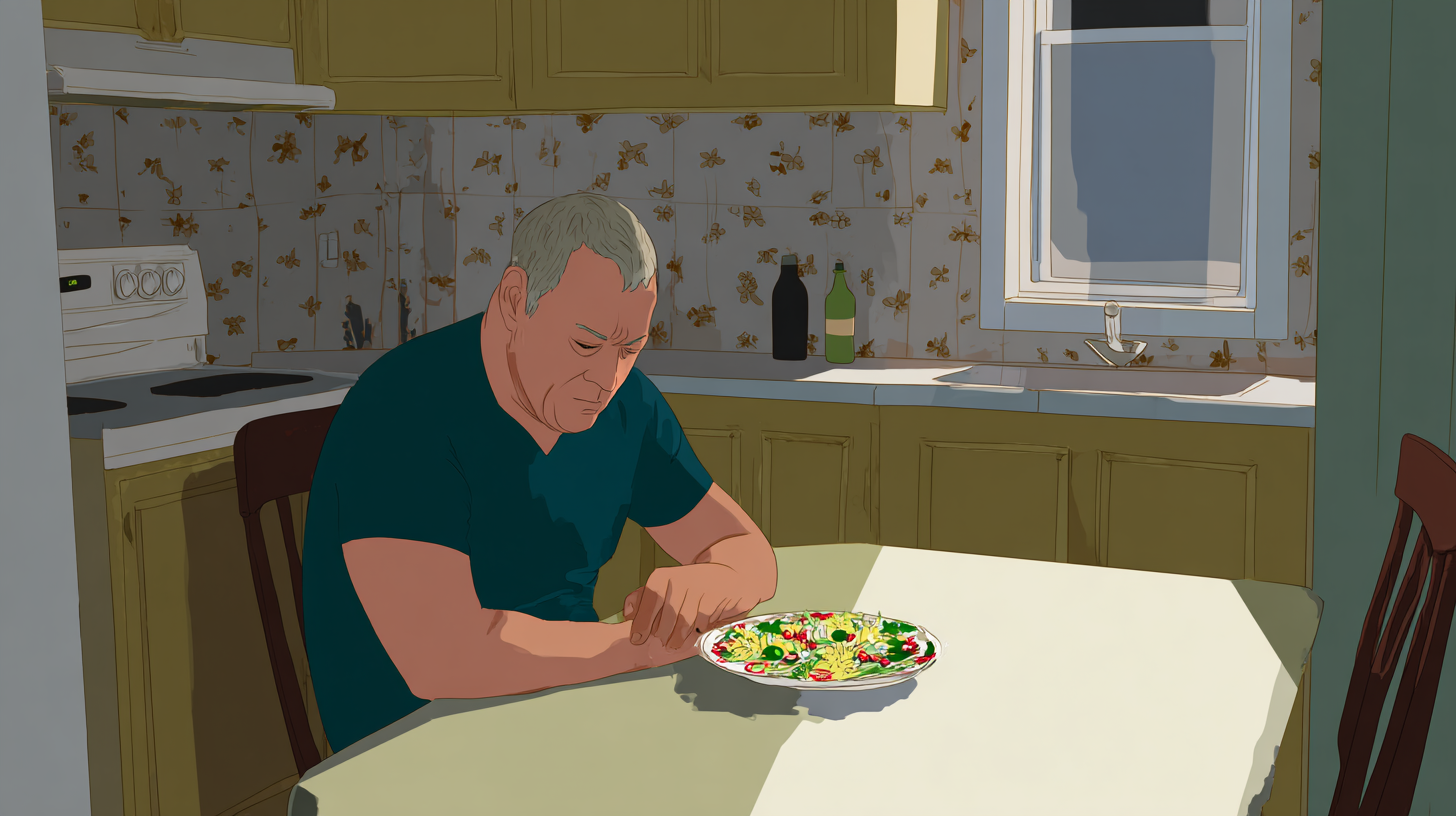
If this were merely a crisis of mood, it might be easier to ignore. But the evidence points to something far more serious: a widespread collapse in men's social lives that is measurable, persistent, and increasingly lethal.
Start with the most confronting statistic. In the latest UK suicide data, men account for roughly three quarters of all suicide deaths, a pattern that has remained stubbornly consistent for decades.
According to figures reported by Samaritans, the male suicide rate in England is approximately 17.1 deaths per 100,000, compared with 5.6 per 100,000 for women. To put that another way, 14 men kill themselves every day in the UK.
What's most striking, however, is who is most at risk. The highest suicide rate is not among teenage boys or young men, but among men aged 50-54, where rates rise to around 26.8 per 100,000. This is the generation most likely to have believed in a stable social contract-work hard, provide, be dependable-and now finds itself watching that contract quietly dissolve.
 Matt Hussey
But suicide is only the sharpest edge of a much broader pattern. Long before men reach a crisis point, many are already living lives stripped of close connection.
Recent UK research synthesised by the Belonging Forum paints a bleak picture of male friendship:
- 1 in 10 men report having no close friends at all.
- Among men aged 55-64, that figure rises to 15%.
- 27% of men say they have no close friend they could rely on in a crisis.
These are not marginal numbers. They represent millions of men moving through adulthood without emotional backup-no one to call when a relationship ends, a job disappears, or health begins to fail.
The danger here is not simply loneliness, but silent loneliness. Men are far less likely to name what they're experiencing as isolation, and even less likely to seek help for it. Data from NHS Digital consistently shows that men are significantly less likely than women to access psychological therapies or mental health services. Yet they are around three times more likely to die by suicide.
This gap-between distress and disclosure-is where the Masculinity Recession truly lives.
Clinicians and researchers often describe this as a form of learned stoicism. From an early age, many men absorb the message that pain should be managed privately, competence proved through endurance, and vulnerability treated as a personal failure. The result is not resilience, but isolation. Men do not lack emotional depth; they lack permission and practice.
 Matt Hussey
What makes this moment particularly dangerous is that the traditional buffers against isolation are also eroding. Workplaces are less stable. Neighbourhoods are less cohesive. Families are more geographically dispersed. When friendship networks thin-as they often do after midlife-many men find there is nothing beneath them.
This is how people "die of quiet." Not all at once, and not always dramatically. First the invitations stop. Then the routines disappear. Eventually, the idea that anyone would notice if you vanished starts to feel implausible.
By the time a crisis arrives, the scaffolding that might have held it back is already gone.
The "Disillusioned Man" and the Broken Promise
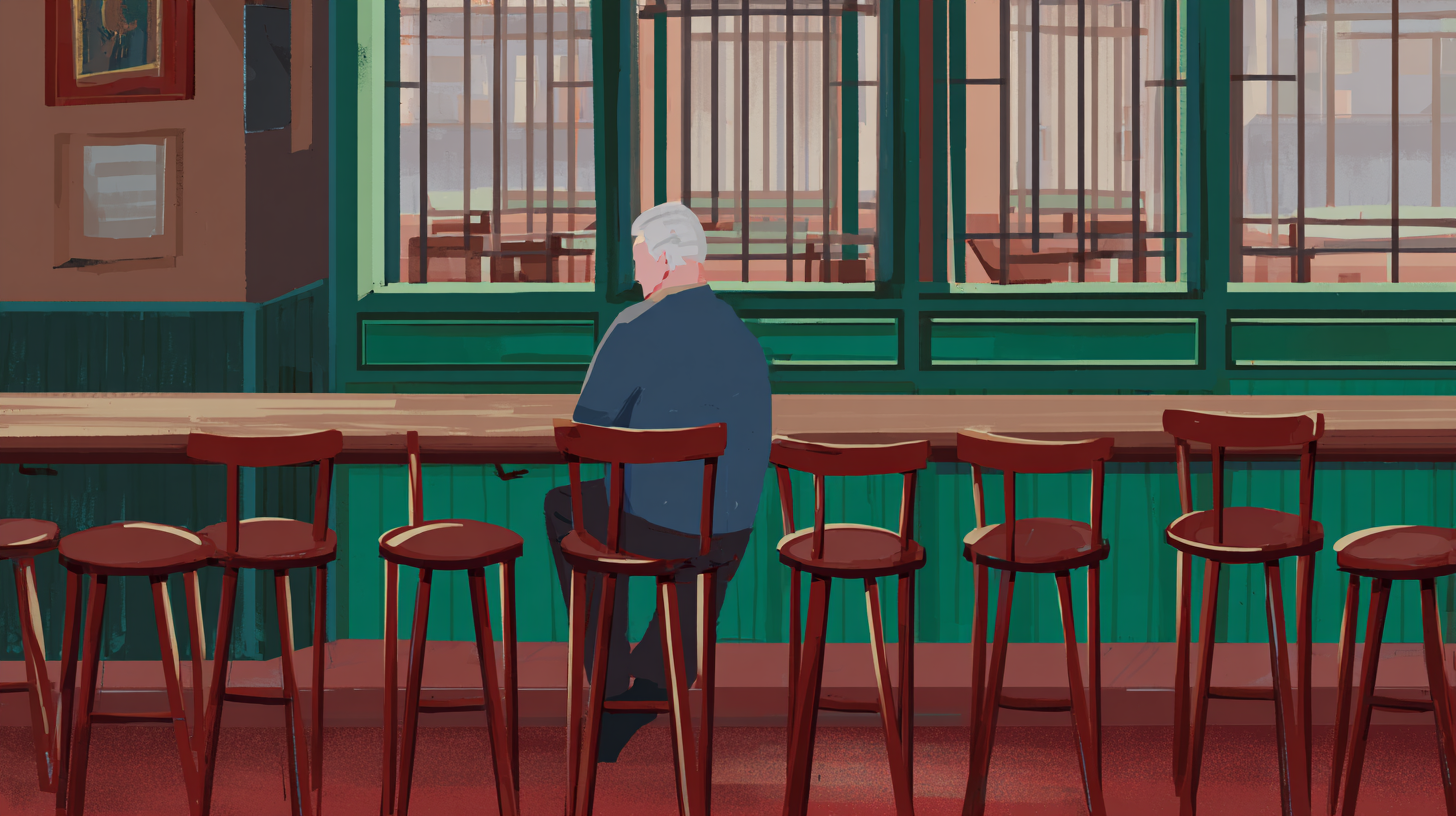
To understand why so many men are drifting into isolation, we have to move beyond psychology and look squarely at the broader world around men. This is not simply a crisis of confidence or communication. It is, at its core, a crisis of expectations colliding with reality.
In late 2024, the research organisation More in Common published extensive UK polling on trust, identity, and social cohesion. Across datasets, one group appeared again and again: middle-aged men, more likely to live outside London, less likely to hold a university degree, and increasingly convinced that the system no longer works for them.
More in Common researchers described these men as disillusioned. Not radicalised, not reactionary-disappointed. They are men who believe they did what was asked of them and still fell behind.
In the group's research, around 70% of these men agreed with statements like "No matter how hard I work, I will struggle to get ahead". Large majorities felt ignored by politicians, misrepresented by media, and looked down on by a culture that no longer seemed to have a place for them. The dominant emotion was not rage, but futility.
This sense of betrayal is rooted in a broken promise. For much of the twentieth century, masculinity in Britain was tightly bound to a simple equation: stable work equals dignity, purpose, and respect. Men were not promised wealth, but they were promised usefulness. Show up, contribute, and you would earn a life that felt coherent.
 Matt Hussey
That promise has quietly collapsed. Policy researcher Richard Reeves has argued that men have been uniquely exposed by the economic transition from an industrial economy to a service-based one. In his book Of Boys and Men, Reeves shows how jobs that once rewarded physical strength and routine competence-manufacturing, extraction, transport-have steadily declined or become precarious. The jobs that are growing fastest now sit in sectors that prize interpersonal skills, credentials, and emotional labour.
Reeves describes this as the HEAL gap: Health, Education, Administration, and Literacy. These are the fields expanding most rapidly in advanced economies-and the fields men are least likely to enter. As traditionally male-dominated jobs disappear, women have, on average, migrated into new sectors. Men, far more often, have not.
Instead, many have simply fallen out of the labour market altogether.
In the UK, hundreds of thousands of working-age men are now economically inactive, with long-term sickness cited as a growing cause. While ill health is real, researchers have noted that economic inactivity and psychological distress often reinforce one another. Once work disappears, routines erode, confidence drops, and re-entry becomes harder with every passing year.
 Matt Hussey
This matters because work has historically been one of the primary ways men accessed social connection. Jobs were not just paychecks; they were places where friendships formed, identities stabilised, and days acquired structure. When work goes, men don't only lose income-they lose community, status, and a clear answer to the question "What am I for?"
The Masculinity Recession is not driven by men refusing to adapt. It is driven by a society that dismantled the old pathways to purpose without building new ones that men could realistically step into. The result is a growing population of men who feel surplus to requirements-present, but no longer needed.
And when people feel unnecessary, withdrawal begins to look like a rational response.
Escaping the "Man Box"
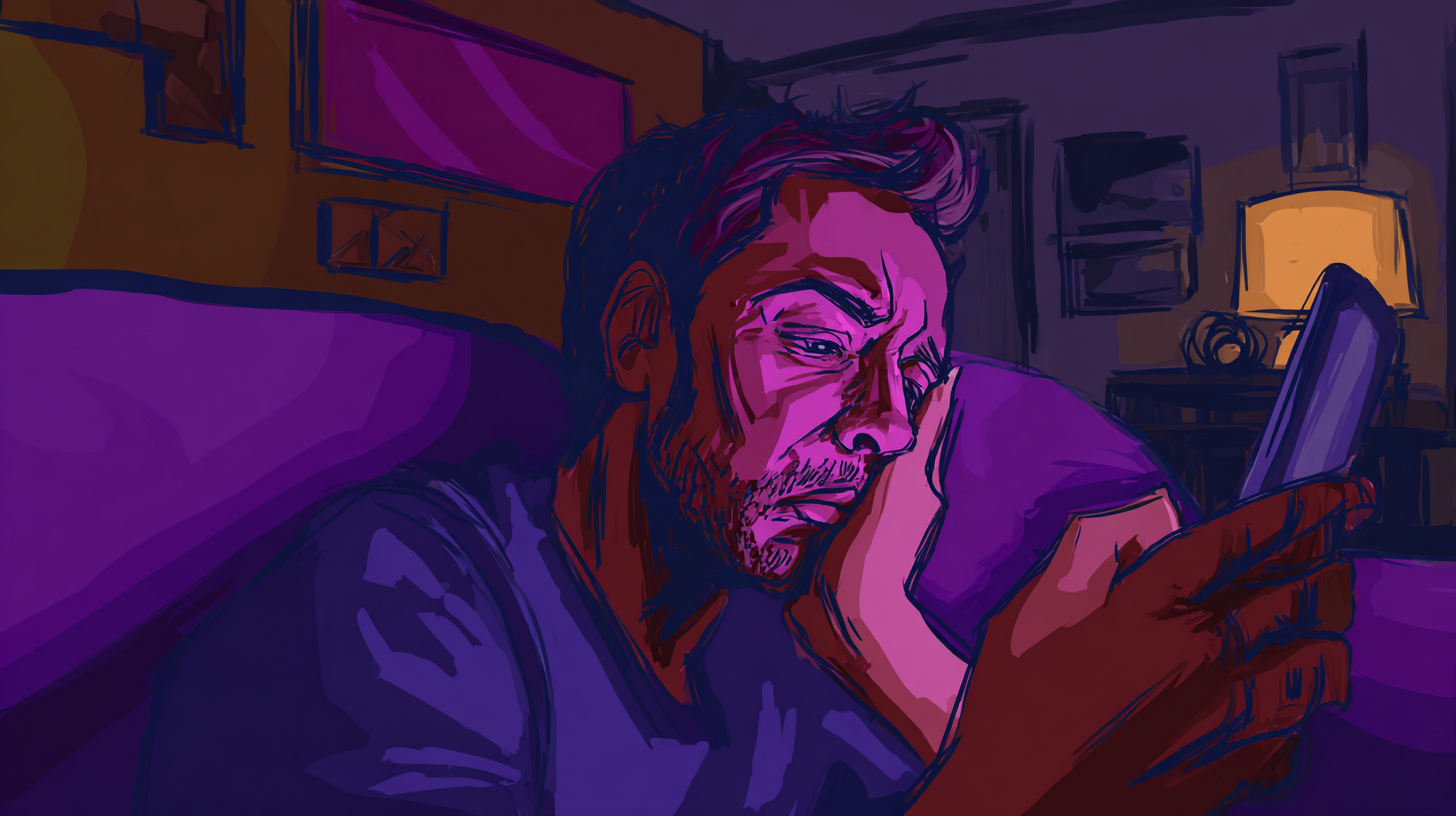
Economic displacement explains the shock. Culture explains why so many men struggle to recover.
For decades, researchers have warned that masculinity operates inside a narrow emotional corridor-one that rewards control, stoicism, and self-reliance, while punishing vulnerability and dependence. At Equimundo, this framework is known as the Man Box: a rigid set of expectations that defines what a "real man" is allowed to feel, say, and be.
The rules are familiar. Don't cry. Be strong. Be the provider. Solve problems alone. Show competence, not confusion.
These norms are often mistaken for tradition or toughness, but research suggests they come at a measurable cost. Studies led by Equimundo across multiple countries have consistently found that men who most strongly conform to Man Box norms are more likely to engage in risky behaviour, experience depression, use violence, and die by suicide, and less likely to seek help when they need it.
In other words, the very traits many men were taught would protect them are now actively undermining their survival.
 Matt Hussey
The Man Box becomes especially punishing in moments of economic or relational loss. When a man can no longer fulfil the provider role-through redundancy, illness, or automation-there is often no culturally sanctioned backup identity to fall into. Caregiver, learner, community-builder: these roles exist, but they have not historically been offered to men with the same legitimacy or support.
What replaces purpose is often shame.
This shame helps explain a paradox at the heart of the Masculinity Recession: men are not only lonely, they are bad at repairing loneliness. When friendships drift or dissolve, many men lack both the language and the social muscle memory to rebuild them. Reaching out feels awkward. Naming need feels humiliating. Silence becomes safer than exposure.
There is also a practical dimension that rarely gets discussed. Men tend to bond through shared activity rather than conversation alone. Sociologists have long observed that male friendships are often maintained shoulder-to-shoulder-through work, sport, hobbies, or projects-rather than face-to-face emotional disclosure. This isn't emotional deficiency; it's a different social architecture.
The problem is that the structures that once enabled this style of bonding are disappearing.
Working men's clubs have closed. Local sports leagues struggle for funding. Pubs-long criticised, but socially significant-are vanishing under the weight of rising costs. As these "third places" erode, men lose the scaffolding that made connection feel natural rather than forced. Without an activity to organise around, many simply stop showing up.
Researchers writing on masculinity and loneliness-including sociologists and commentators synthesised by The Sociology Guy-have noted that this loss of social infrastructure hits men particularly hard. Women, on average, maintain relationships more directly through conversation and emotional check-ins. Men often rely on institutions to do that work for them. When the institutions disappear, the relationships quietly follow.
For younger men, this absence is increasingly filled by digital spaces. Online gaming communities, financial speculation forums, and algorithm-driven "manosphere" content offer something real life no longer guarantees: status, rules, progression, and a sense of belonging. These spaces can feel communal, even intimate-but they rarely provide care. Conflict is amplified. Vulnerability is punished. Connection becomes performative.
 Matt Hussey
What emerges is a phantom community-a sense of togetherness without protection, identity without accountability. It can temporarily numb loneliness, but it does not resolve it.
The cultural crisis facing men is not that masculinity has been "attacked." It is that it has been left unfinished. The old scripts no longer work, but new ones have not been fully written-or widely supported. Until men are offered identities that allow for usefulness, interdependence, and growth without shame, the retreat will continue.
Escaping the Man Box is not about rejecting masculinity. It's about expanding it-so that when one role collapses, a life doesn't have to collapse with it.
Reinventing Fatherhood and Friendship
If the Masculinity Recession were only a story of decline, it would already be overwhelming. But the data suggests something more complicated-and more hopeful-is emerging beneath the panic.
Despite relentless headlines about "lost boys" and online misogyny, younger men are not, on the whole, turning away from equality or progress. Survey data from YouGov consistently shows that most young men in the UK hold broadly egalitarian views on gender roles, relationships, and women's rights. While a small minority express admiration for hyper-masculine internet figures, they are just that: a minority. Estimates regularly place this group in the low teens, not the mainstream.
The problem, then, is not values. It's viability.
Young men today are often more emotionally open than their fathers, more comfortable rejecting rigid gender roles, and more supportive of shared caregiving. What they lack are stable pathways into adulthood that make those values livable. Housing is expensive. Work is precarious. Community is thin. Equality without infrastructure still leaves people stranded. And that applies to young women, too.
This is why the most promising solutions to the Masculinity Recession are not cultural scoldings, but practical rebuilds-efforts to restore the conditions under which men can form bonds, feel useful, and belong without apology.
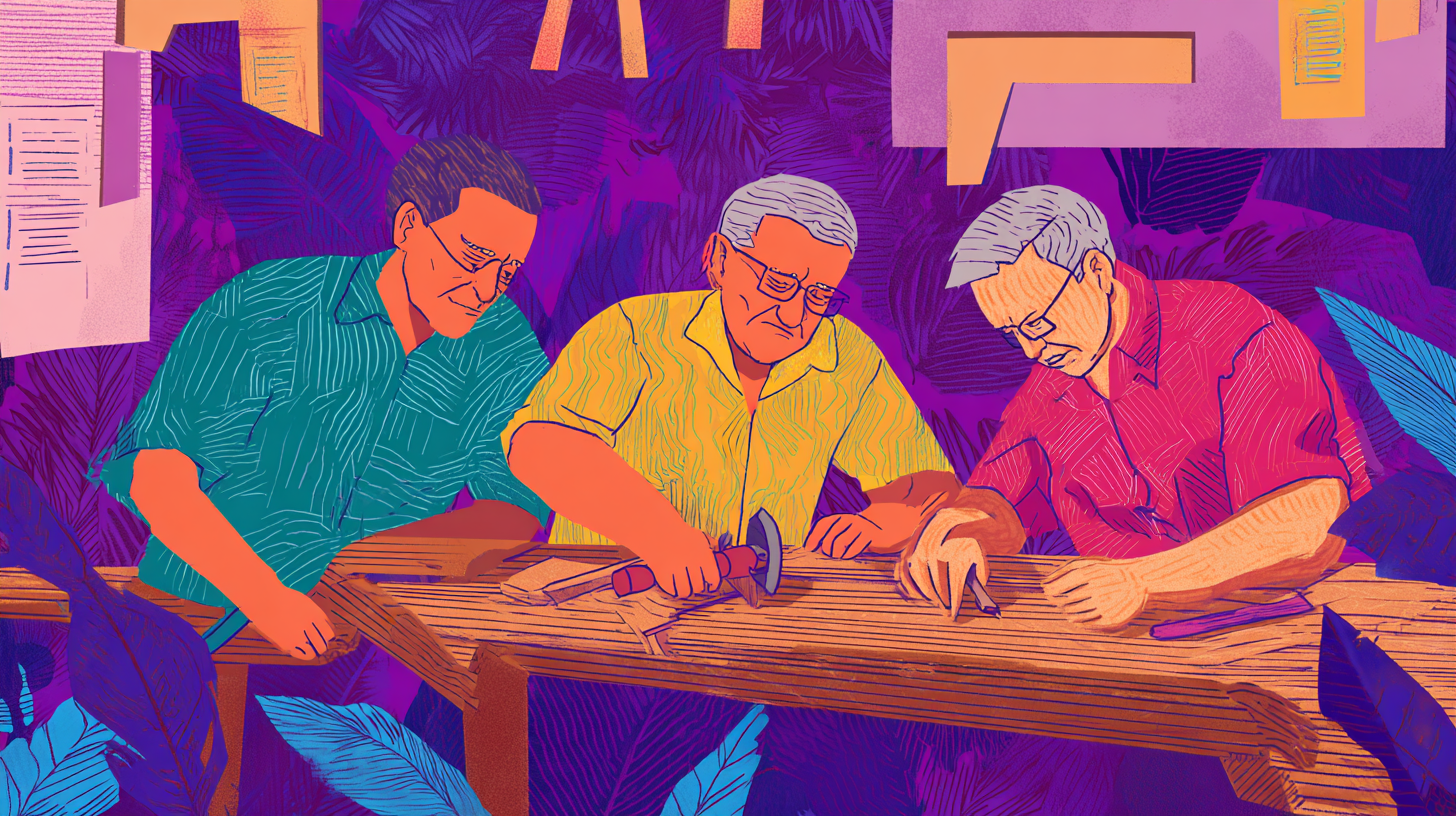
One of the clearest examples is the Men's Sheds movement. Originating in Australia and now operating across the UK, Men's Sheds are simple by design: shared spaces where men-often older, retired, or socially isolated-come together to build, repair, and make things. Conversation happens naturally, but it is not the point. Purpose is.
Evaluations of Men's Sheds have repeatedly found reductions in loneliness, improvements in mental wellbeing, and renewed sense of identity among participants. Crucially, these benefits emerge without forcing emotional disclosure. Men connect because they are needed, not because they are "opened up."
This model points toward a broader truth: men do not need to be fixed. They need to be included.
At a policy level, there are tentative signs that this reality is beginning to land. Recent attention to youth unemployment, long-term economic inactivity, and men's disengagement from education suggests a growing recognition that large numbers of boys and men are falling through gaps that were never redesigned for them.
Investigations into NEETs (young people not in education, employment, or training) increasingly acknowledge that young men are disproportionately represented-and that moralising about motivation has failed to reverse the trend.
Reinventing masculinity does not mean resurrecting the 1950s. It means expanding the range of respectable male lives. It means valuing caregiving, mentorship, craftsmanship, and community contribution alongside paid work.
It means recognising fatherhood not just as provision, but as presence. And it means rebuilding the social infrastructure-clubs, workshops, teams, shared projects-that allows men to form bonds without having to articulate loneliness first.
The Masculinity Recession will not end by telling men to talk more, feel less shame, or adapt faster. Those prescriptions assume the problem is internal. It isn't.
The recession ends when we stop treating men as defective women who just need better emotional skills-and start designing a society in which men can once again be useful, connected, and valued on their own terms. Until then, the absence of men will remain.