The Rise of Content Diets: How Restricting Information Became the New Mental Health Status Symbol
In 2026, mental health isn't just about logging off - it's about what content restriction signals. Why content diets, digital detoxing, and curated attention became markers of status, identity, and power.
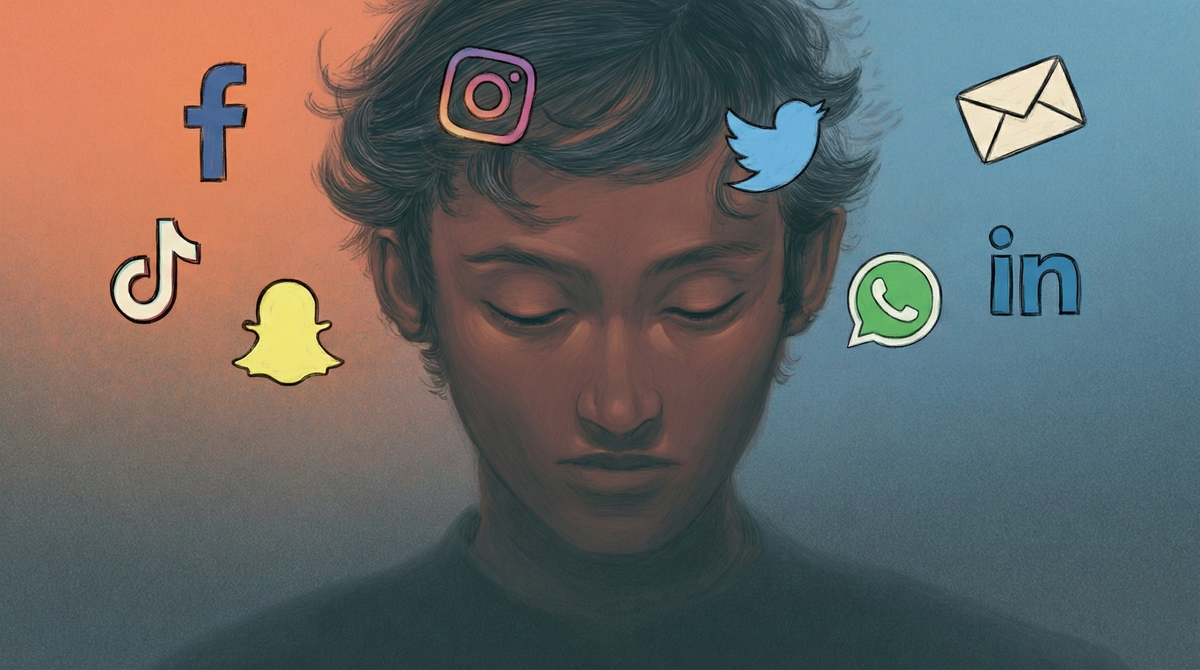
In 2026, health won’t just be measured in how little alcohol you drink, or how much kale you can pile on your plate. This year how ‘healthy’ you are will be logged quietly, invisibly - in your browser history, your screen time, your ability to close a tab and not feel anxious about what you're missing.
It will show up in whether you still read real books with real pages, or whether you scroll until your mind goes numb. The big mental health trend this year is going to be about how much you can control where your attention goes.
We're entering the age of the content diet - a moment where restraint has replaced consumption as the ultimate signal of control. Where choosing not to watch, not to click, not to know has become a flex. Restriction, once the language of bodily wellness, has migrated upward into the mind. Why?
 Matt Hussey
Because for more than a decade, we treated the internet like an all-you-can-eat buffet. Infinite feeds, infinite takes, infinite urgency. We learned to equate awareness with worth: if I see every meme, every breaking story, every culture war talking point I’m on the ball. The more I know the better placed I am.
But abundance has a breaking point: and I think we’ve reached it. Social media burnout has become depressingly familiar. Brain rot is now an acceptable part of our experience online. Digital detoxes are worryingly normal. We’ve seen too much, we’ve consumed everything. And just as food culture swung from indulgence to optimization, information culture is doing the same. We no longer ask, What's happening? We ask, What's worth letting in?
So people are cleansing. They’re curating. They’re bragging about newsletters instead of news cycles. About small reading groups instead of viral threads. "I deleted Instagram" is no longer a cry for help - it's a résumé line. Proof of discipline. Proof of taste.
But this shift isn't neutral. And it isn't just about mental health, either. This year's rising trend is about, class, power, and permission. Let me explain.
Restriction as Status
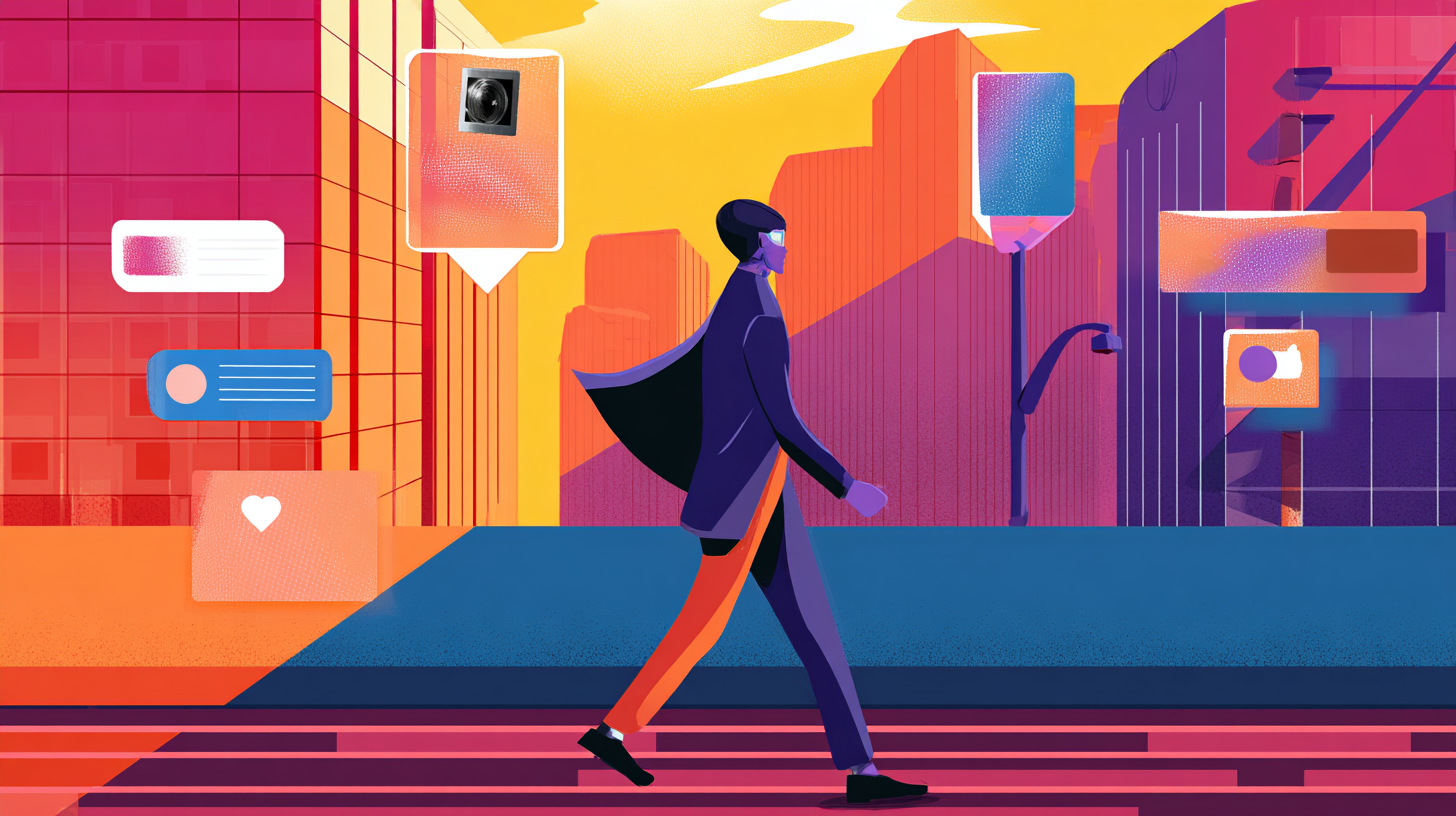
To frame this argument about 2026 being the year of the content diet, I’m going to turn to the work of French sociologist Pierre Bourdieu - he's great and you should totally read his book Distinction, which is what a lot this thinking is based on. He argued that when access becomes universal, distinction moves elsewhere - into taste, restraint, and the ability to refuse.
What does that look like in 2026? In a world where information is free, instant, and increasingly AI-generated, discernment becomes elite. The new highbrow isn't knowing more. It's knowing what to ignore. Content dieting isn't just about self-care - although the benefits are clear. It's also a form of cultural capital.
Because while everyone else drowns in machine-made noise, the truly privileged are going quiet. They're reading physical books. Sharing private lists. Being unreachable on purpose. Flexing the one resource that can't be automated, optimized, or scaled: sustained attention.
In 2026, focus is the new financial independence. And silence - real silence - is the most expensive thing you can own.
Why Restricting Content Actually Helps - and Why It Starts to Look Like Food Culture

Before I dive too deep into the politics and power of it all, it’s important to say: spending less time online is a good thing. At its simplest: content restriction works because your nervous system was never designed for an all-you-can-eat buffet.
The human brain evolved to handle bursts of information, not a constant drip of alerts, updates, outrage, and social comparison. And research increasingly confirms what people already feel in their bodies: when you reduce the flow, things calm down.
Studies on digital restriction consistently show modest but real improvements in well-being when people limit their exposure - especially to social media and breaking news. Less scrolling correlates with lower loneliness, less depressive symptoms, and fewer anxiety spikes. Not because the internet is evil, but because unfiltered feeds keep the mind in a low-grade state of vigilance. Always scanning. Always reacting.
This is what "content dieting" actually does at a physiological level: it lowers cognitive load. It reduces the number of emotional jolts your brain has to process. It creates space where attention can settle instead of ricochet.
Wait, how is this different from a digital detox? Well, a digital detox is a form of content dieting, in that you are choosing not to engage in technology. But the goal of a detox is that you ultimately will return to what was before. Content dieting, as I'll explore a bit later is the catch-all term for what will become a diverse field of restriction defined by demographic, gender and personal beliefs. Anyway, back to the pros of spending less time online.
The benefits become most obvious around news consumption. Doomscrolling isn't just a meme - it's a stress pattern. Psychological research and clinical reporting link heavy exposure to negative news cycles with higher levels of anxiety, despair, and perceived threat. When every spare moment is filled with catastrophe, the nervous system never gets the signal that it's safe to stand down.
So people set boundaries. They unfollow. They time-limit. They go newsletter-only. They stop checking the news before bed. And when they do, many report feeling clearer, calmer, more present. But here's where the human bit steps in. Content dieting isn’t just about mental health - it’s also about culture. And the best way to explain this is by looking at what happened to food.
 Matt Hussey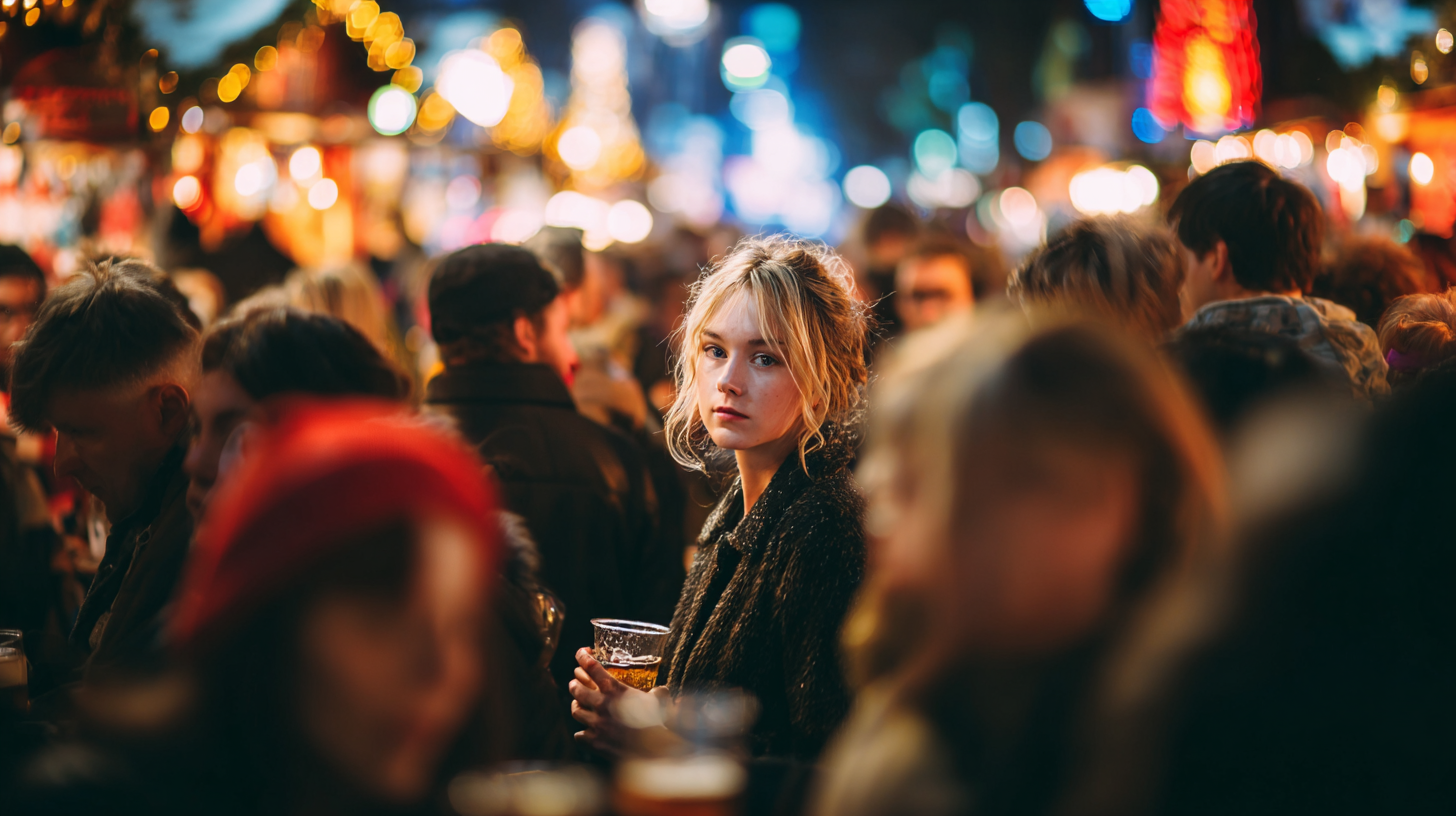
When calories were scarce, eating more was the goal. When calories became abundant, eating better took over. And then, almost inevitably, eating less became the new gold standard. Diet culture didn't stop at moderation - it splintered into increasingly specific forms of restriction: paleo, juice cleanses, intermittent fasting, keto. Each one promised not just health, but mastery. Discipline. Identity.
The logic was the same every time: modern abundance is unnatural; restriction restores purity. Content diets follow the same arc. First came awareness: "I'm on my phone too much." Then moderation: screen-time limits, app blockers. Then specialization: no social media but podcasts are fine; no news but long-form essays are allowed; AI summaries only; physical books only; newsletters I trust, nothing else. Restriction doesn't disappear - it fractures.
And just like food culture, the restrictions themselves start to mean something. They signal values. They signal intelligence. They signal that you're not overwhelmed - you're in control. The point isn't that content is literally food. It's that both live inside systems of abundance engineered for overconsumption. Both create "empty calories" - stimulation without nourishment. And both produce the same cultural response: a turn toward discipline, curation, and the performance of restraint.
Which is why content dieting won't stabilize at "use your phone less." It will keep evolving into finer and finer distinctions. How you restrict will matter more than whether you restrict. What you allow in will become part of who you are.
Just like food did.
From Abundance to Aspiration: Why Restriction Becomes Valuable
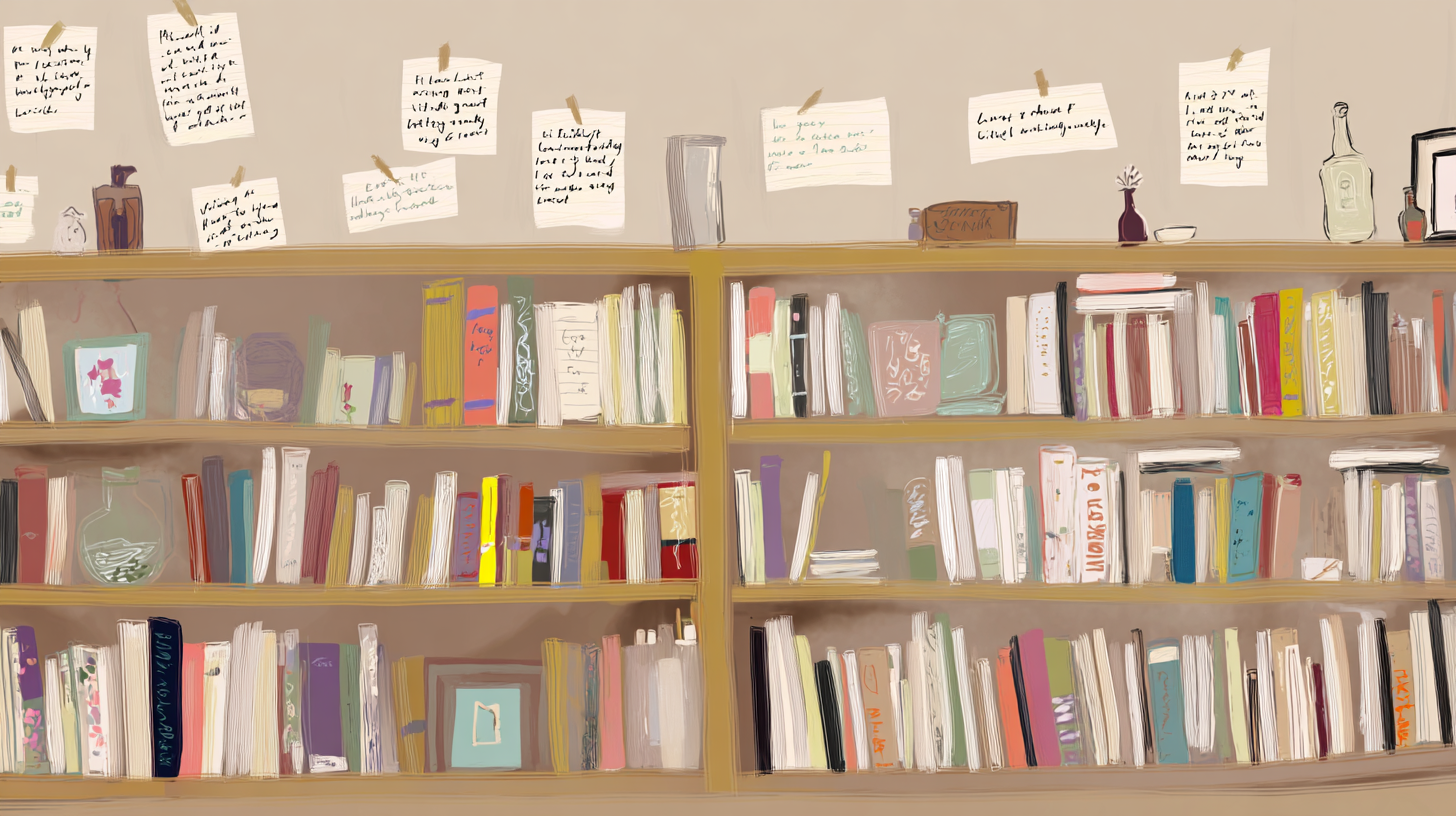
So we know that spending less time inside content feeds has benefits. And we can also see that like food, there is a well trodden path where content diets can fracture into different ideas, sub-cultures and forms of expression. But restriction doesn't operate evenly across society.
Choosing less requires security. Time. Confidence that nothing catastrophic will happen if you don't respond immediately. For those whose livelihoods depend on constant availability - gig workers, service employees, precarious professionals - abundance is not optional. It's compulsory. Which is why restriction begins to signal not just wellness, but power.
In an age where everyone can access everything, the ability to opt out becomes elite. The new aspiration isn't knowing more than others. It's needing less. And as content continues to scale beyond human limits, that distinction will only sharpen. Restriction, once a response to scarcity, has become the luxury of abundance.
This is the moment where content dieting crosses from mental health practice into identity - where how you restrict starts to matter more than restriction itself. Just as food culture splintered into recognisable tribes (paleo people, fasting people, cleanse people), content restriction will start to harden into formats that signal who you are and where you belong. The most obvious example is the list.
Curated reading lists, podcast shortlists, "what I read instead of the news" threads - these aren't neutral recommendations. They're declarations. A list says: this is what counts. In an environment saturated with AI-generated summaries, hot takes, and recycled insights, the act of curating becomes an assertion of authority. You're not just consuming less; you're defining legitimacy.
Research on cultural capital helps explain why this matters. When information becomes abundant and cheap, value shifts from access to filtering. Knowing what to ignore becomes as important as knowing what to absorb. Lists function as shortcuts to taste - compressed signals of discernment that separate "serious" thinkers from passive scrollers.
Then come the clubs. Private reading groups, invite-only Discords, paid newsletters with comment sections that feel more like salons than feeds. These spaces replace scale with intimacy and speed with slowness. Unlike algorithmic platforms designed to maximize engagement, these communities are defined by friction: paywalls, invitations, time commitment, long-form discussion.
That friction is the point. Sociological research on digital inequality shows that participation in slower, deeper forms of media engagement correlates strongly with education, income, and occupational stability. Let me unpack that point a bit. Deep reading, long conversations, and offline intellectual life require time - and time, free time, is unevenly distributed.
Your ability to have free time to dedicate to curating information and what you read, correlates with how wealthy you are. Time poor people with a lack of job insecurity and bills to pay can’t dedicate precious time to reading a 3,000 word essay, like this one. The ability to participate signals not just interest, but insulation from precarity.
 Matt Hussey
This is how content diets will become a form of virtue signalling. Physical books instead of PDFs. Printed reading lists instead of bookmarks. Dumb phones instead of productivity apps. Yup, the likes of Anna Wintour, Rihanna, and a slew of unrecognisable but incredibly wealthy people all opt to use phones from the 2000s. Why? Because someone else is doing the heavy lifting for them. The flex is in the restriction.
Even silence itself becomes stylized - a deliberate absence framed as intention rather than neglect. These choices mirror what scholars describe as "slow media" practices: modes of engagement that reject speed, scale, and immediacy in favor of depth and reflection.
But as with food culture, identity-driven restriction has a shadow side. Once a particular form of restraint becomes associated with intelligence or virtue, its absence starts to read as failure. Those who rely on algorithmic feeds - because they lack time, training, or access - are framed as undisciplined rather than constrained. Mass culture becomes "junk." Depth becomes moralized.
This is where content dieting stops being just about mental health and starts shaping social hierarchies. The question shifts from “what helps people feel better?” to “what counts as legitimate engagement?”. And the answer is increasingly defined by those who can afford to opt out of the feed without consequence.
Restriction, in other words, doesn't just calm the mind. It redraws the map. In a world where everyone is drowning in information, the people who appear most in control are the ones who seem untouched by it. And the quiet consensus forming in 2026 is this: if your attention is scattered, it's not just unhealthy - it's unsophisticated.
That's how a coping mechanism becomes a cultural filter.
The Disconnection Divide: Who Gets to Opt Out - and Who Doesn't
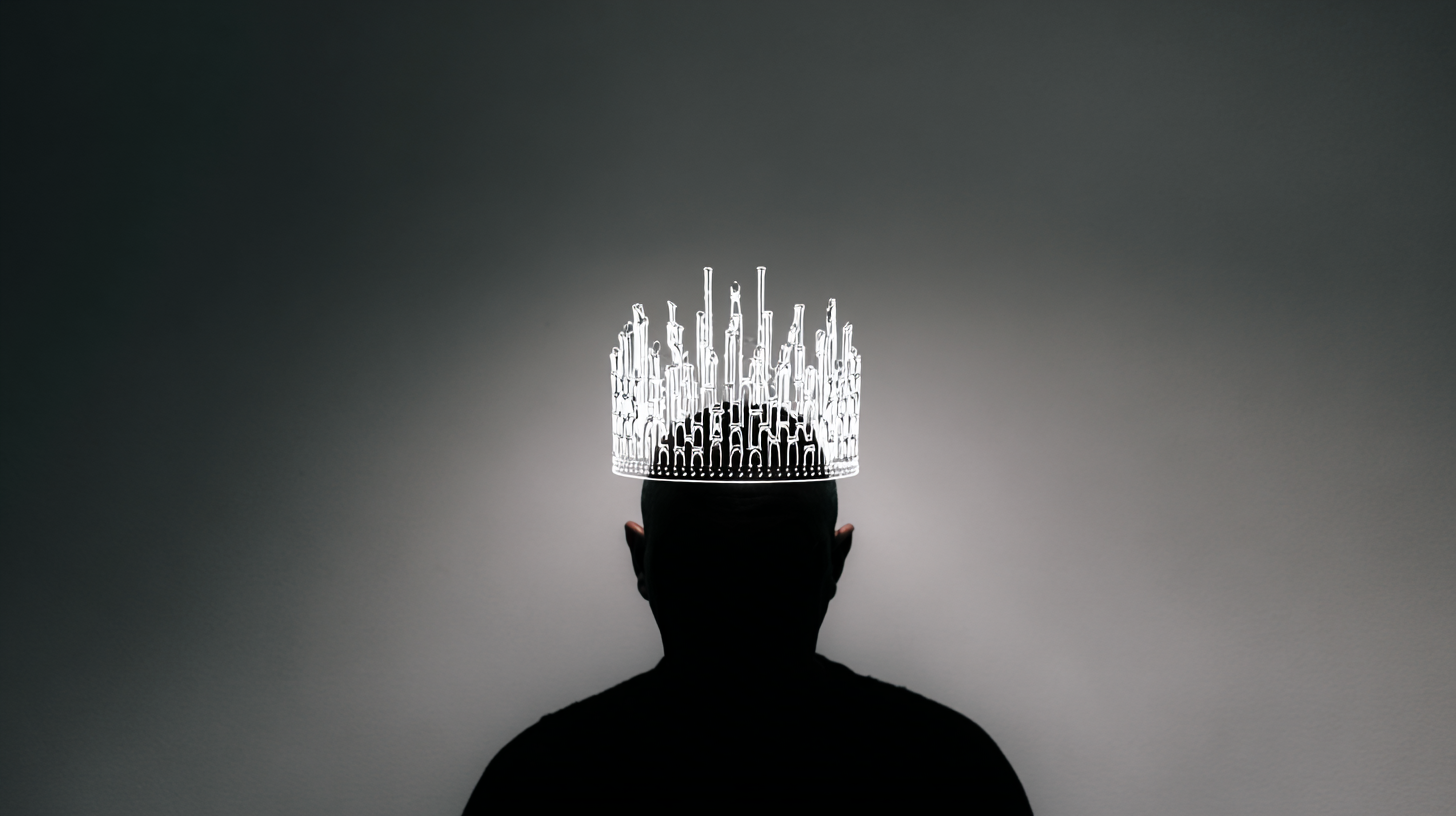
At some point, the content diet stops looking like wellness and starts looking like inequality. Because not everyone who is offline chose to be there.
As digital restriction becomes a status symbol, a quiet divide opens up between two very different forms of disconnection. On one side: people who opt out - who step away from feeds, mute notifications, and treat unreachability as a form of self-mastery. On the other: people who are pushed out - by unstable access, stolen devices, unpaid data plans, or systems that require constant connectivity just to survive.
This is what researchers increasingly describe as the disconnection divide: the growing gap between voluntary, privileged disengagement and involuntary, precarious disconnection.
It builds on decades of digital divide research, but flips the frame. The original digital divide focused on who lacked access. The disconnection divide asks a harder question: who is able to disconnect safely - and who isn't.
Because in 2026, connectivity isn't optional infrastructure. It's how you apply for jobs, receive government benefits, access healthcare, coordinate work shifts, and maintain social ties. For many people, being offline doesn't restore calm - it creates risk. Missed messages mean missed income. Missed updates mean missed care.
Studies on digital inequality consistently show that lower-income and precariously employed groups are often the least able to reduce their digital engagement, even when they experience the highest levels of digital stress. Their lives are structured around responsiveness. Availability is not a choice; it's a requirement.
Which is why chosen disconnection carries so much symbolic power. When a well-resourced individual announces they're "offline for the week," it reads as intentional. Grounded. Aspirational. When a marginalized person disappears from the network, it's read as failure, neglect, or instability. The same behavior is interpreted in opposite ways - not because of intent, but because of status.
 Matt Hussey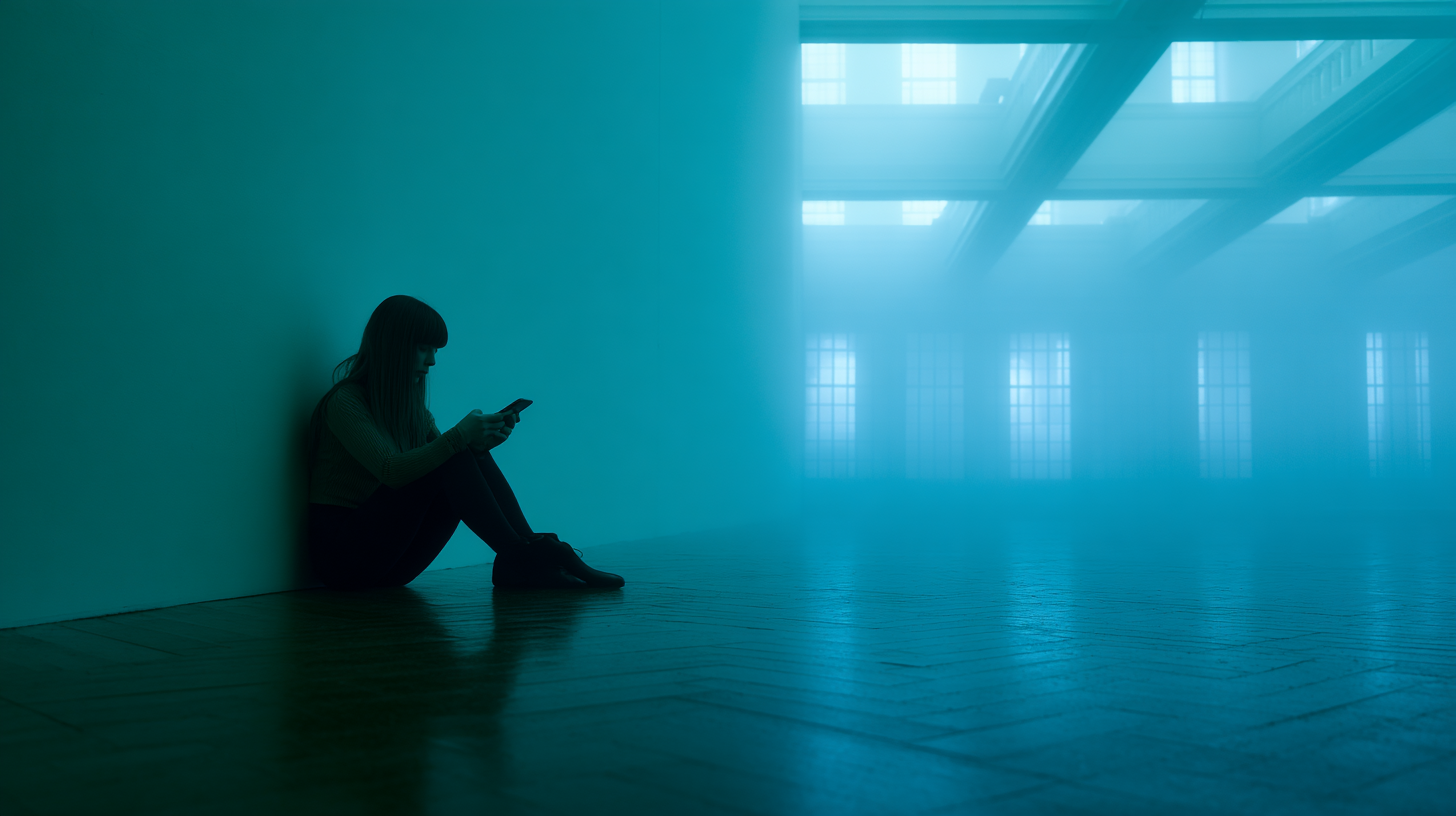
This is where content dieting reveals its edge. As restriction becomes morally coded - as disciplined, enlightened, high-status - constant connectivity becomes pathologized. The always-on worker isn't seen as constrained; they're seen as addicted. The person glued to their phone isn't interpreted as navigating precarity; they're framed as lacking self-control.
Mental health language gets weaponised (as it always has). What began as a legitimate attempt to protect attention risks becoming another way to sort people: the calm and curated versus the frantic and flooded. The offline elite versus the hyperconnected poor. Analog capital versus algorithmic survival.
And this matters because mental health doesn't exist outside material conditions. Disconnection improves well-being when it's chosen. When it's forced, it compounds exclusion. The same silence that restores focus for one person can deepen isolation for another.
So as content diets solidify into norms this year - as curated reading, slow media, and digital absence become the aesthetic of success - the question isn't whether restriction works. It's who gets to do it. In a culture that increasingly equates calm with competence, the freedom to disengage may be the most unequal mental health resource of all.
You Can Log Off - But You Can't Step Outside the System
Let me be clear: spending time offline is good for you.
The research is clear: reducing digital overload can ease anxiety, soften the nervous system, and restore a sense of agency over attention. Boundaries around content help people sleep better, think more clearly, and feel less perpetually on edge. In a culture optimized for interruption, disconnection can be genuinely healing.
But mental health is never a thing that can be sliced neatly. The mistake isn't believing that logging off helps. The mistake is believing that logging off is just a personal habit - a switch you flip in isolation from the rest of your life. Mental health doesn't live in one behavior. It lives in how behaviors attach themselves to identity, status, belonging, and meaning.
Content diets don't just change what we consume. They change how we see ourselves. What we read, what we ignore, how reachable we are, how quickly we respond - these choices signal competence, taste, and legitimacy. They shape how we show up socially and professionally. They quietly declare what kind of person we are trying to be. When content restriction becomes aspirational, it stops being a neutral wellness practice and starts becoming something we want to show others.
That's not a reason to reject it. It's a reason to understand it. Just as food culture taught us that eating less wasn't only about health - but about morality, discipline, and belonging - content culture is teaching us the same lesson at a cognitive level. The risk isn't restriction itself. The risk is forgetting that restriction always carries meaning, and meaning always carries power.
 Matt Hussey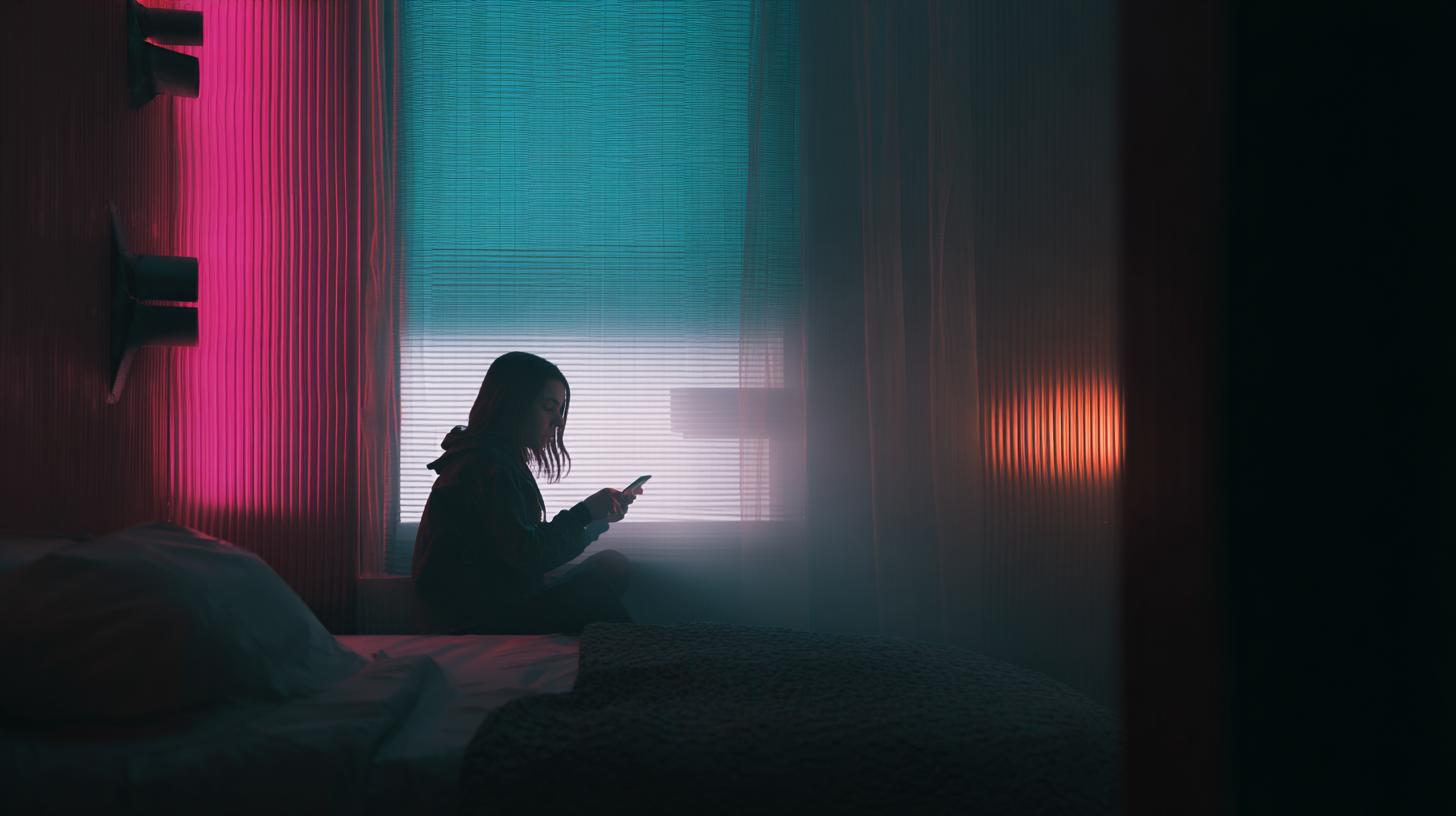
When we frame content diets as purely therapeutic, we miss the ways they can slip into performance. When we treat disconnection as a universal solution, we ignore the structural realities that make constant connectivity unavoidable for many people. And when we moralize focus, calm, and slowness, we risk turning mental health into another benchmark of worth.
The healthier frame, I believe, isn't "less content will fix me." It's "what does my relationship to information say about how I live?"
In 2026, the most useful question isn't whether we should spend less time online. We should. The question is whether we can hold two truths at once: that disconnection can be deeply beneficial, but our ability to do that is attached to a socio-economic jumble of class, gender and status.
Mental health doesn't live outside culture. It moves through it. And if the new luxury really is saying no, then the real work isn't just learning when to log off - it's understanding what that refusal means, who it serves, and who has permission to do it.