The Vibe Economy: Why Your Gut Has Replaced the Data
From the Vibecession to the Therapeutic State: how we stopped trusting data, started governing by mood, and what it's costing us.
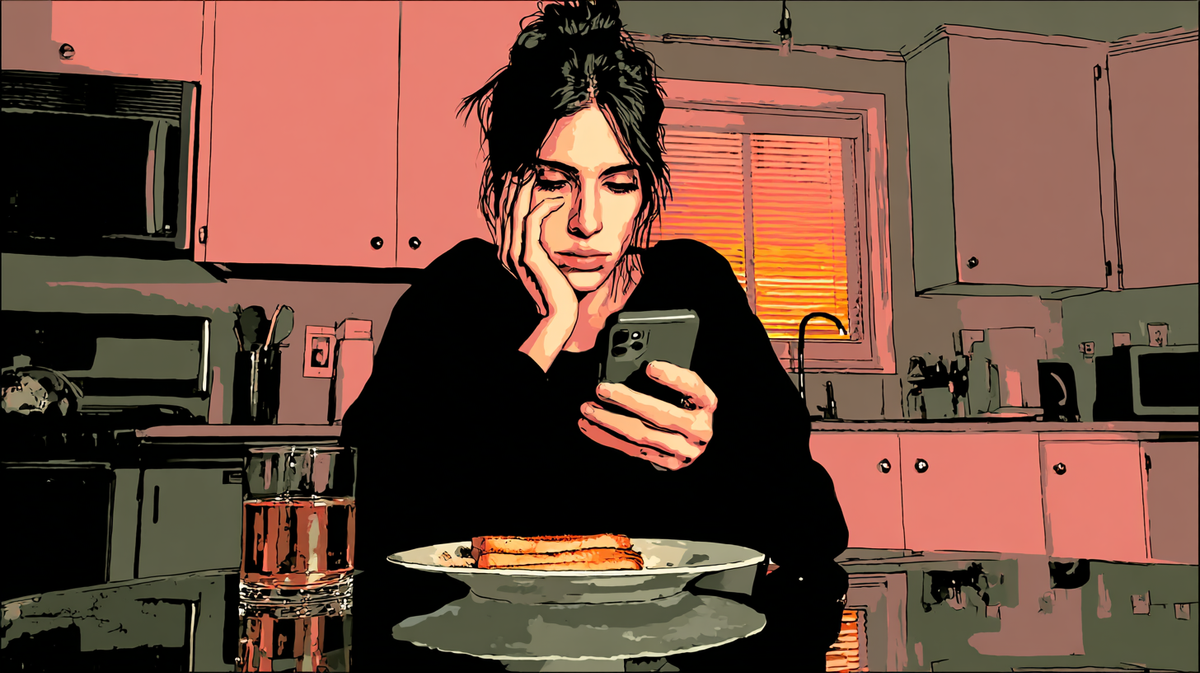
How are the vibes where you are? Probably a bit 'off' right? Bit weird? Bit wobbly? That feeling, that sense of the world, needs to be unpacked.
In the years between 2022 and 2024, the American economy was, by almost every conventional measure, doing well. Unemployment sat near historic lows - 3.5%, with sixteen states hitting all-time records simultaneously. GDP grew at an average annual rate of 3.4%.
The stock market gained 24% in 2023 alone, clawing back almost everything it had lost the year before. Economists who had spent 2022 predicting a recession were quietly updating their forecasts and reaching for a phrase they rarely get to use: soft landing. And yet.
Ask an American how the economy felt, and you'd get a different answer entirely. Bleak. Broken. Rigged. A cost-of-living crisis dressed up in someone else's numbers. In a Harris Poll conducted in May 2024, 56% of Americans believed the country was already in a recession - despite the GDP growth, despite the S&P up over 12% that year, despite unemployment near a fifty-year low. Forty-nine percent believed the stock market was down for the year. It wasn't. And 64% said they no longer knew who to trust for economic information.
Journalists reached for a word. They found one in an unlikely place: vibe. Kyla Scanlon, an economic commentator, had coined the term "vibecession" - a recession that exists not in the spreadsheet, but in the stomach. A mood. A shared atmospheric dread that no index could fully capture and no growth figure could dissolve. The word spread because it named something real. Something that data, for all its precision, couldn't quite reach.
Here's what's interesting about that moment, though. We treated it as an anomaly. A quirk of post-pandemic psychology. A temporary misfiring in how people read their own lives. But I've come back to this idea again to ask: What if it wasn't a glitch? What if it was a glimpse of where we're heading?
 Matt Hussey
I don't think the vibecession was a one-time breakdown in how people interpret the economy. I think it was a visible crack in something deeper - in the very architecture of how we process reality. I think we've been quietly, collectively making a trade for years: swapping data for feeling, evidence for atmosphere, what is for how it seems. And it's happened without many of us noticing. This is the essay about what we traded, and what it's costing us emotionally and psychologically.
We used to live, more or less, in an Information Economy - one governed by logos, by data, by the shared objective floor of provable fact. We now live in something else. Call it the Vibe Economy: a world governed by pathos, by mood, by the emotional tenor of the Feed. This isn't simply a cultural shift or a generational quirk. I think it's an epistemological one - a change in how we collectively decide what is true.
And when "how I feel" consistently supersedes "what is happening," something essential starts to erode. Not just economic literacy. Not just political coherence. But the very thing a functioning society depends on: a shared floor of reality that everyone, regardless of their views, is standing on together.
The vibecession wasn't the story. It was the check engine light. This is what's under the hood.
The Doom Scroll Economy
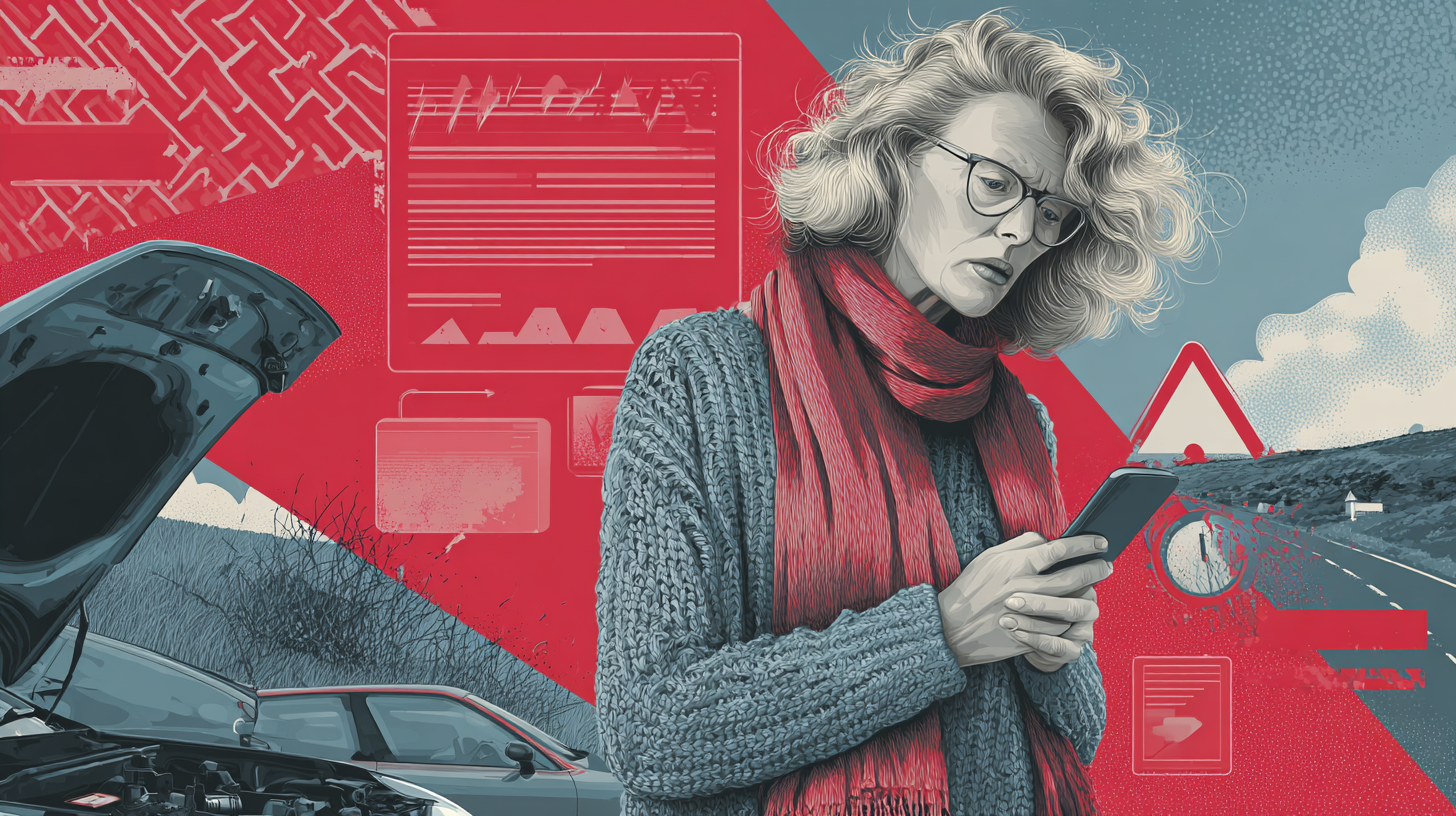
There was a time when your relationship with the economy was mediated by something boringly concrete. A bank statement. A pay stub. The price of a weekly shop. You might not have understood what GDP meant, but you understood whether you could afford the rent.
That architecture of understanding is crumbling. And in its place, something more volatile has taken root: the Feed.
Consider what happened to institutional trust over the past decade. In the 1970s, somewhere between 68% and 72% of Americans trusted the mass media to report the news fully and fairly. By 2024, that figure had collapsed to 28% - a historic low, the first time it had ever fallen below 30%. Among adults under 50, trust had sunk to 26%.
Among Republicans, it hit 12%. Even Democrats, traditionally the most media-trusting group, registered only a slim majority. And in 2022, half of all Americans said they believed news organisations were deliberately misleading them. Only 23% thought journalists were acting in the public's interest.
When the news anchor stops being credible, something else fills the gap. And that something, increasingly, is the algorithm.
 Matt Hussey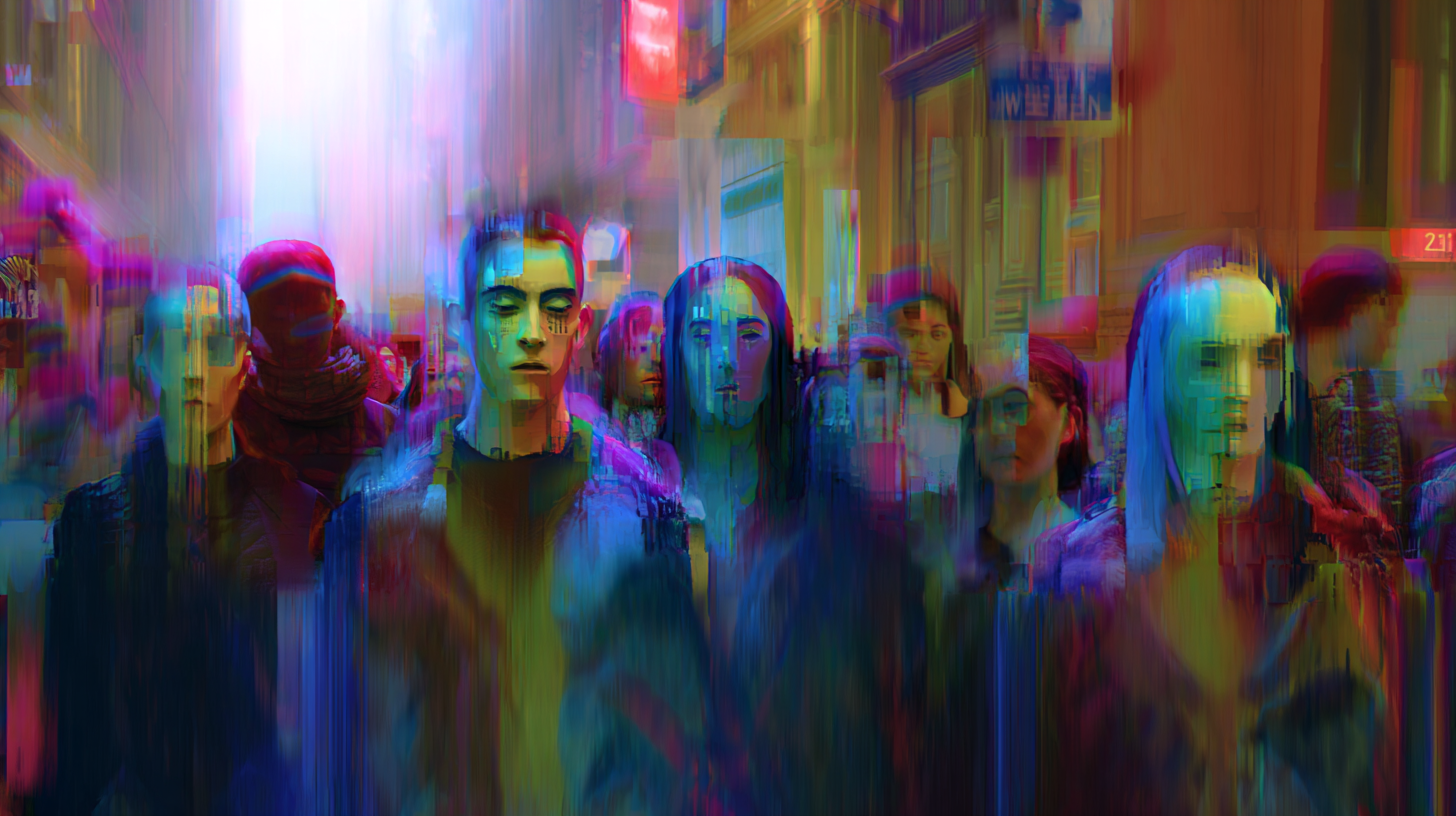
Here is what the algorithm actually does. It doesn't read the news. It reads you. It watches what you pause on, what you share, what makes you lean forward. And what it has learned - consistently, across platform after platform, backed now by rigorous research - is that anger travels faster than calm.
A study out of Yale found that users who received more likes and retweets for expressing outrage were significantly more likely to express outrage in later posts - a feedback loop baked directly into the design. Research published in PNAS Nexus confirmed that engagement-based algorithms systematically surface more emotionally charged, partisan, and hostile content than a simple chronological feed would.
And Facebook's own internal documents, leaked by whistleblower Frances Haugen, found that its 2018 algorithm update - designed to boost "meaningful social interactions" - had instead rewarded outrage and incentivised sensationalism.
The consequence for economic perception is profound and underappreciated. A stable economy is, narratively speaking, a boring economy. There are no heroes. No villains. No imminent collapse to scroll through. But a "late-stage capitalism" narrative? That's a different proposition entirely.
The #latestagecapitalism hashtag on TikTok has accumulated billions of views. Over on Reddit, the same community has more than 275,000 followers. These aren't fringe communities - they are the economic education of an entire generation, delivered not through data but through aesthetics: the absurd price tag, the dystopian screenshot, the sixty-second video that turns a grocery receipt into a political act.
Now, this is not to say the content is wrong. Much of what gets shared under that banner points to real and serious inequalities - the top 10% of US households now account for nearly 50% of all consumer spending, up from 36% in 1989. Inequality is real. Affordability is a genuine crisis. The vibes are not invented from nothing.
 Matt Hussey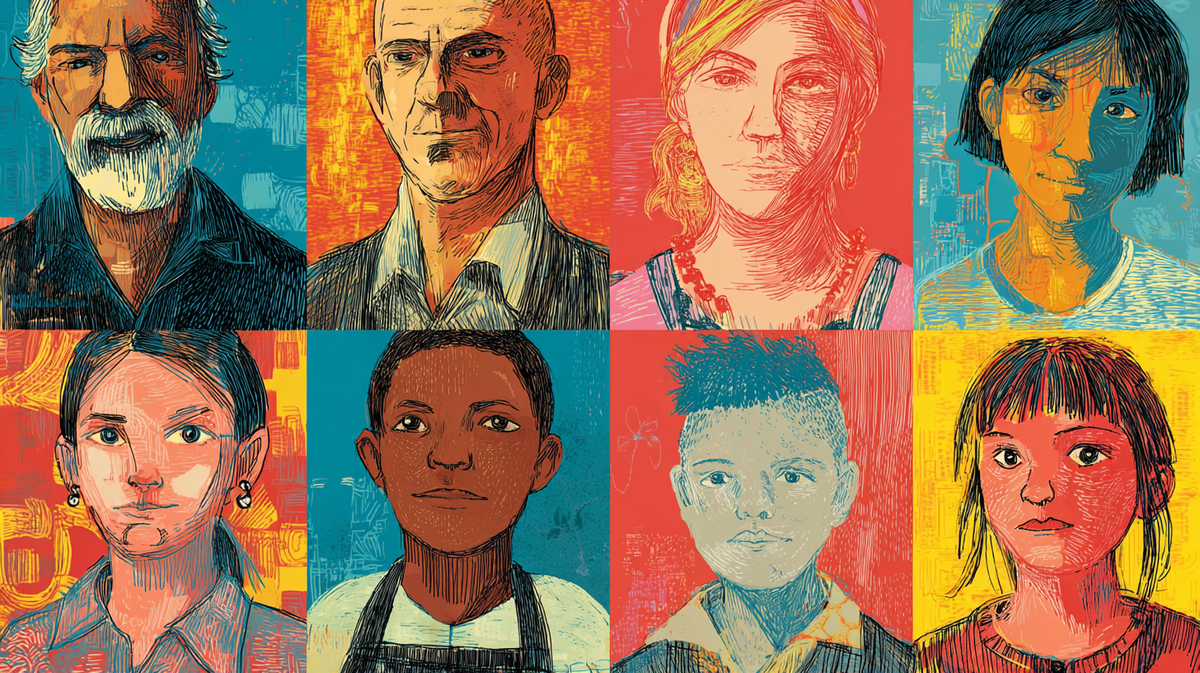
But the algorithm doesn't know the difference between a legitimate grievance and a manipulated one. It only knows what keeps you watching. And a chaotic, "everything is broken" narrative generates infinitely more engagement than a measured, "things are complicated" one. I saw the UK version of this is playing out in real time - and I saw it this weekend.
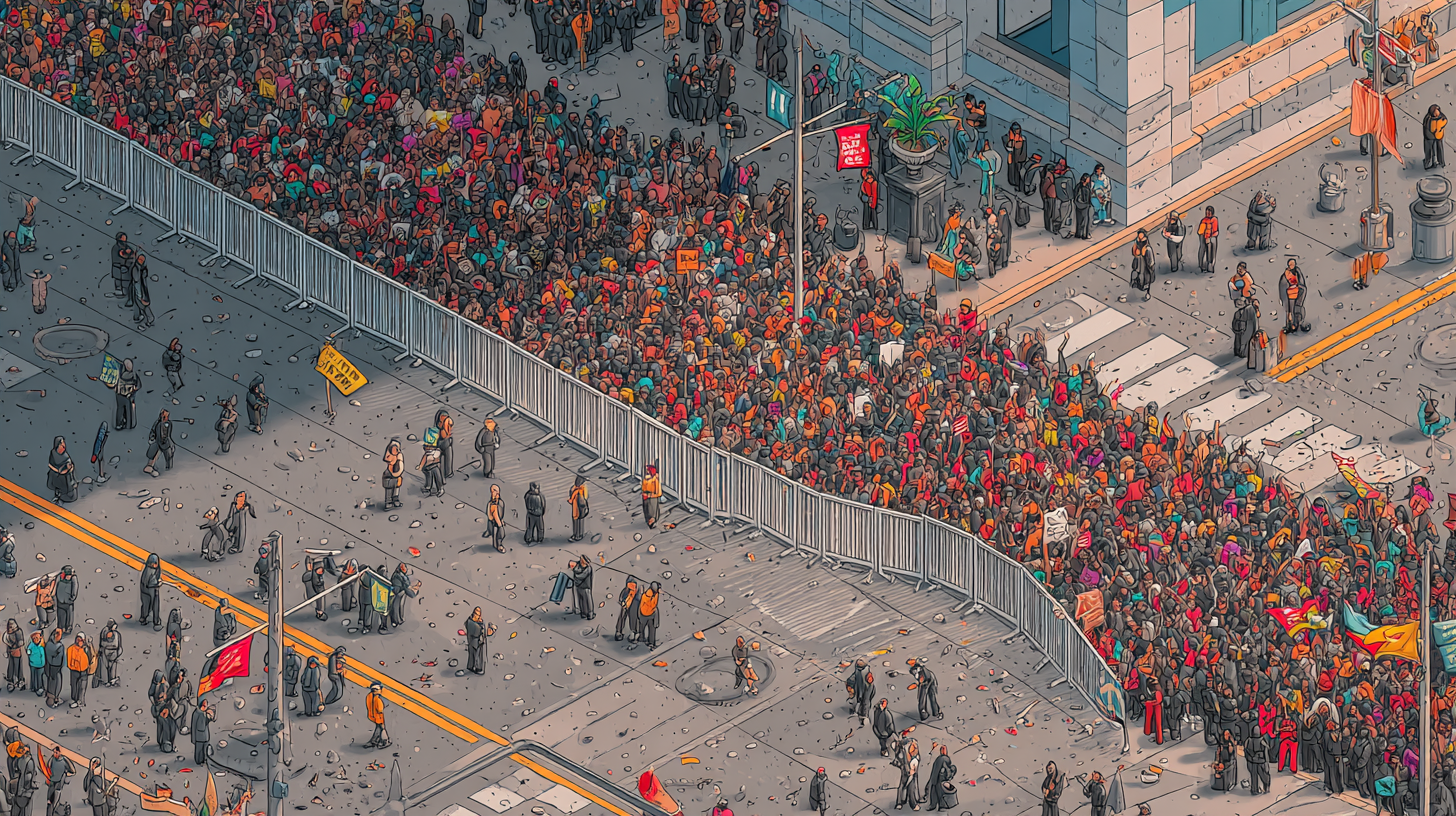
On Saturday, 21 February 2026, Britain First held a "March for Remigration" through Manchester city centre. The footage filled social feeds within hours: Nazi salutes, skirmishes, riot police struggling to hold lines, a police officer punched in the face. The atmosphere online was one of imminent catastrophe. Britain appeared, as it does with unnerving regularity on social media, to be teetering on a fascist edge. And then you look at the actual numbers.
Independent estimates put Britain First's attendance at somewhere between 800 and 1,000 people. The counter-protest, organised by Stand Up To Racism Manchester and the Resist Britain First coalition, drew at least 2,000 - more than double.
According to their own electoral record, in the 2024 London mayoral election Britain First received just 0.8% of the vote - finishing behind Count Binface, a parody candidate. In a country of 68 million people, they could not fill a mid-sized concert venue.
This is the Vibe Economy in miniature. A fringe movement, genuinely hateful, genuinely dangerous in the individuals it emboldens - but statistically tiny - gets algorithmically amplified into a civilisational crisis. The footage is real. The violence is real. The Nazi salutes are real. And yet the scale of the threat, as felt through the feed, bears almost no relationship to the scale of the movement in actual British life.
 Matt Hussey
Britain First has no MPs. No council seats. A vote share that rounds to zero. And yet by Sunday morning, it had dominated the national conversation, filled everyone's timeline, and left an entire country feeling as though the far right was at the gates.
This is what the Vibe Economy does at full speed. It doesn't invent the threat. It inflates it. It strips away proportion, context, and the quieter majority, and hands the microphone to the loudest and most enraging thing in the room. We are economically pessimistic not because the maths is bad, but because the story is better. We are politically terrified not because fascism is ascendant, but because terror travels faster than reassurance.
We have replaced the news anchor with the For You page. We have replaced the index with the impression. We have traded the volatility of the stock market for the volatility of the mood ring.
The result is an electorate not misinformed in the traditional sense - not fed false facts by a single bad actor - but atmospherically misinformed. Marinated in a feeling. And feelings, unlike facts, don't come with a correction in tomorrow's edition.
We Are All Unwell Now
If the economy is now diagnosed by vibes, so, it turns out, are we.
Somewhere between the pandemic and the present, something quietly happened to the language we use for ourselves. Sadness became depression. Nervousness became anxiety disorder. A difficult ex became a narcissist. A tendency to leave tasks until the last minute became undiagnosed ADHD.
A preference for routines became "possibly on the spectrum." The clinical slipped into the conversational so smoothly that most of us barely registered the transition. We just started using the new vocabulary - in tweets, in therapy-speak captions, in the way we explained ourselves to friends over dinner.
There is a name for this. In 2016, Australian psychologist Nick Haslam published a paper in Psychological Inquiry identifying a phenomenon he called "concept creep" - the progressive expansion of harm-related psychological concepts to encompass experiences far beyond their original clinical boundaries.
 Matt Hussey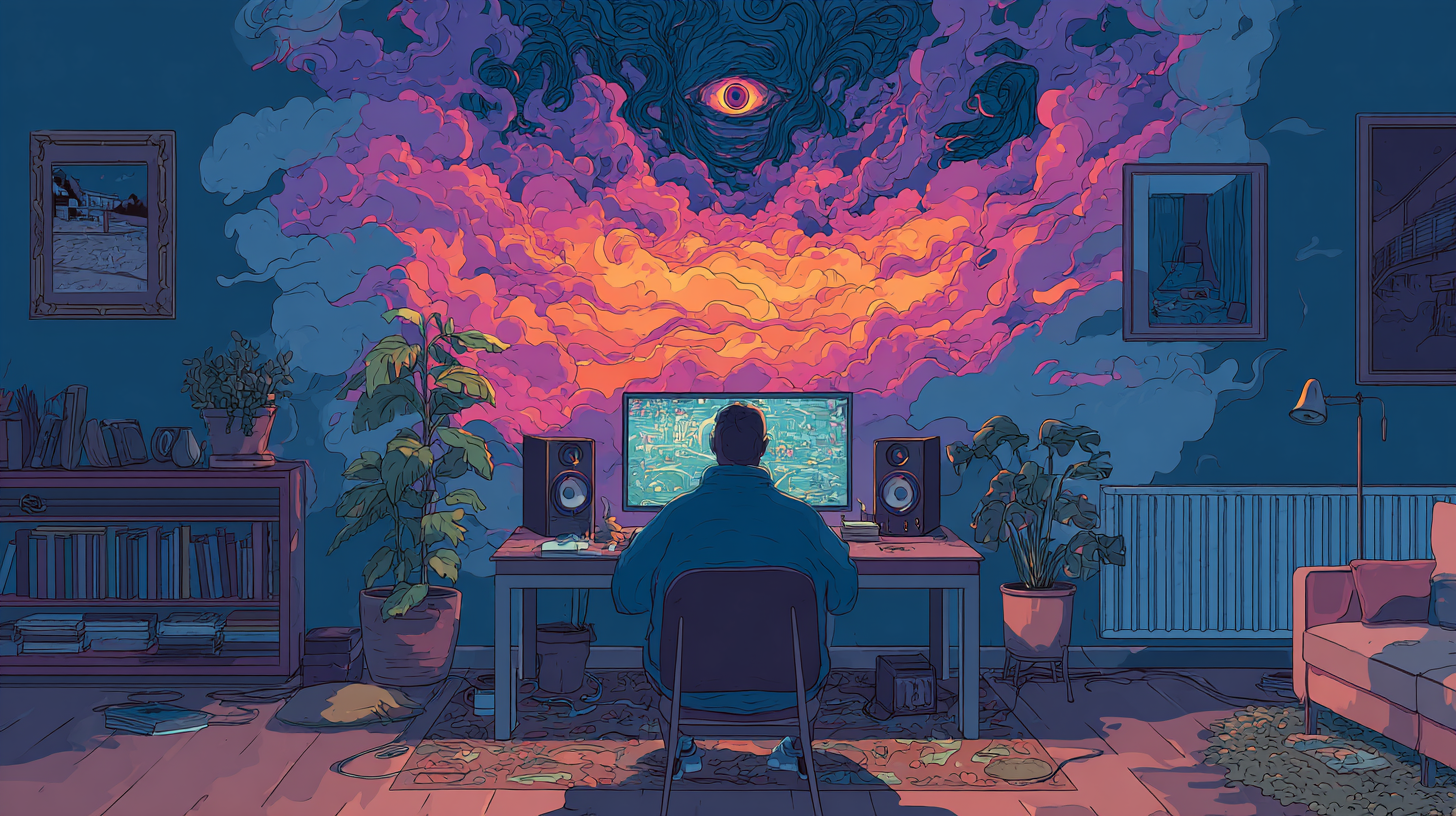
The concepts of trauma, abuse, addiction, mental disorder, bullying, and prejudice had all, he argued, stretched both outward to cover new territory and downward to include milder and milder forms of experience. The proportion of humanity that could now technically "qualify" for a diagnosis had swelled - not because more people were genuinely ill, but because the threshold for what counted as illness had quietly dropped. As Haslam noted, the expansion risked "pathologizing everyday experience and encouraging a sense of virtuous but impotent victimhood."
That was 2016, before TikTok existed. Today, concept creep has a delivery mechanism. And it runs at scale.
The #MentalHealth hashtag has 28 million posts on TikTok. #ADHD has 5 million. #Autism has nearly 4 million. These aren't support forums run by clinicians - they're content ecosystems driven by engagement. And what drives engagement, as I established in the last section, is emotional resonance, not accuracy.
A 2022 study found that roughly half of the top ADHD videos on TikTok contained claims that were misleading. A 2025 content analysis confirmed that 55% of ADHD-related characteristics described in popular videos didn't align with DSM-5 diagnostic criteria. A study on #Autism found that 41% of informative videos presented inaccurate information, and 32% showed overgeneralised content - videos which had, collectively, been viewed over 144 million times.
But here's where it gets more interesting - and more troubling - than simple misinformation. Because the research tells us that young people aren't gravitating toward these communities purely out of confusion or naivety. They're gravitating toward them because they offer something that is genuinely scarce in modern life: belonging.
A 2024 study published in Discover Psychology laid it out plainly. Social media communities built around shared diagnoses are, for many young people, a form of identity infrastructure. A diagnosis provides membership. It provides language. It provides a tribe of people who, by definition, understand.
In an era of intensifying social isolation, researchers found that adolescents are increasingly using psychiatric labels not just to explain themselves, but to constitute themselves - to have a self that coheres, that belongs somewhere, that the algorithm can find and serve. As one research team described it, these communities function as "a cultural antithesis of the medical establishment" - spaces whose membership is only accessible through a psychiatric diagnosis.
 Matt Hussey
The algorithm does not create this need. But it is extraordinarily good at monetising it.
Here is the incentive structure in its purest form: to be "okay" online is to be invisible. To be "traumatised," "neurodivergent," or "in recovery" is to have a content category, a community, and - critically - an audience. Psychiatric Times put it directly in a clinical review: if having a mental illness garners social capital within a network, there is little incentive to work with a professional on treating it. The illness becomes the identity. And the identity becomes the content.
Child psychiatrists are now reporting something that would have seemed implausible a decade ago: regularly "de-diagnosing" teenagers in their consulting rooms. As Dr Andrea Giedinghagen of Washington University School of Medicine described it, she finds herself gently unwinding self-diagnoses several times a month - teenagers who have described normal fidgeting and special interests in terms borrowed wholesale from TikTok.
Dr David Rettew, captured the paradox precisely:
"All of us can recognise parts of ourselves in some of these diagnoses; we are all on the ADHD or anxiety spectrum somewhere. Our DSM forces us to put an individual into a binary category - but that's not the way the brain works."
That nuance is exactly what the algorithm cannot accommodate. The For You page has no space for "you might have some traits but fall within normal variation." It has space for "you have this, here is your community, here is your content, here is your identity."
The result is what researchers have started calling a "bottom-up psychiatrisation" - a generational redefinition of the human condition, conducted not in clinics but in comment sections, driven not by clinical evidence but by engagement metrics.
 Matt Hussey
This is not an argument against mental health awareness. The destigmatisation of genuine mental illness has been one of the genuine cultural achievements of the last two decades. People who once suffered in silence now have language for their experiences, and that matters enormously.
But there is a difference between destigmatisation and romanticisation. Between giving people language for genuine suffering and training an entire generation to interpret ordinary difficulty - the bad morning, the difficult colleague, the hard week - through a lens of pathology.
When the algorithm rewards fragility and renders resilience invisible, we do not end up with a more psychologically literate society. We end up with one that has confused the map for the territory, and mistaken the diagnostic label for the person underneath it.
We have, in short, started using the language of emergency psychiatric triage to describe being human.
We Are Using Emergency Psychiatric Triage to Discuss Tax Policy
So far I've tried to show you two worlds: the political and the personal. But what happens when those two forces meet in the voting booth. What does democracy look like when the electorate is simultaneously atmospherically misinformed and psychologically primed to interpret discomfort as danger?
You get 2024. On both sides of the Atlantic. The most revealing thing about the 2024 US presidential election wasn't the result. It was the architecture. Neither major candidate - for significant stretches of the campaign - ran primarily on policy. Not in the traditional sense.
In August 2024, NPR noted that the Harris campaign speeches had been "long on vibes and short on actual platforms." The New Republic was blunter: her best strategy, one writer argued, was to simply continue making "the vibes- and values-based argument" and avoid the risk of a detailed policy agenda entirely.
Meanwhile, the Republican Party had not bothered to write a new platform in 2020. In 2024, Trump acknowledged in debate that he had only "concepts of a plan" for healthcare. As TIME magazine observed, what was once an election between competing policy visions had become something else: "Instead of policy, many voters are making their decisions based on tribal allegiance or vibes."
 Matt Hussey
This wasn't a glitch. It was the logical endpoint of a system optimised for emotional resonance over intellectual engagement. Research published just before the election confirmed what political strategists had long suspected: it is often not policy that drives electoral outcomes, but emotional components - the psychology of feeling seen, of feeling validated, of finding a candidate whose energy matches your mood.
A 2024 PLOS ONE study on the 2019 UK general election found that a politician's smile type - affiliative versus reward - measurably shifted voter emotions across all partisan groups, including those who voted against the winner. We are, it turns out, extraordinarily susceptible to the vibe of the person asking for our vote.
None of this is entirely new. Politicians have always sold hope, fear, and belonging. But something has changed in the intensity of the demand. And that something connects directly to what I spoke about earlier.
If a generation has been trained - by algorithms, by therapeutic social media culture, by concept creep - to understand themselves primarily as vulnerable, to interpret difficulty as damage and discomfort as harm, then what kind of government will they demand? Not a referee. Not an administrator of complex trade-offs. They will demand a Therapist-Protector: a government that doesn't just solve problems, but validates feelings. That doesn't just legislate, but holds space.
Greg Lukianoff and Jonathan Haidt identified the early signs of this in their 2018 book The Coddling of the American Mind, coining the term "safetyism" - a culture in which safety has become a sacred value, so sacred that people become unwilling to make the practical trade-offs that governing actually requires.
 Matt Hussey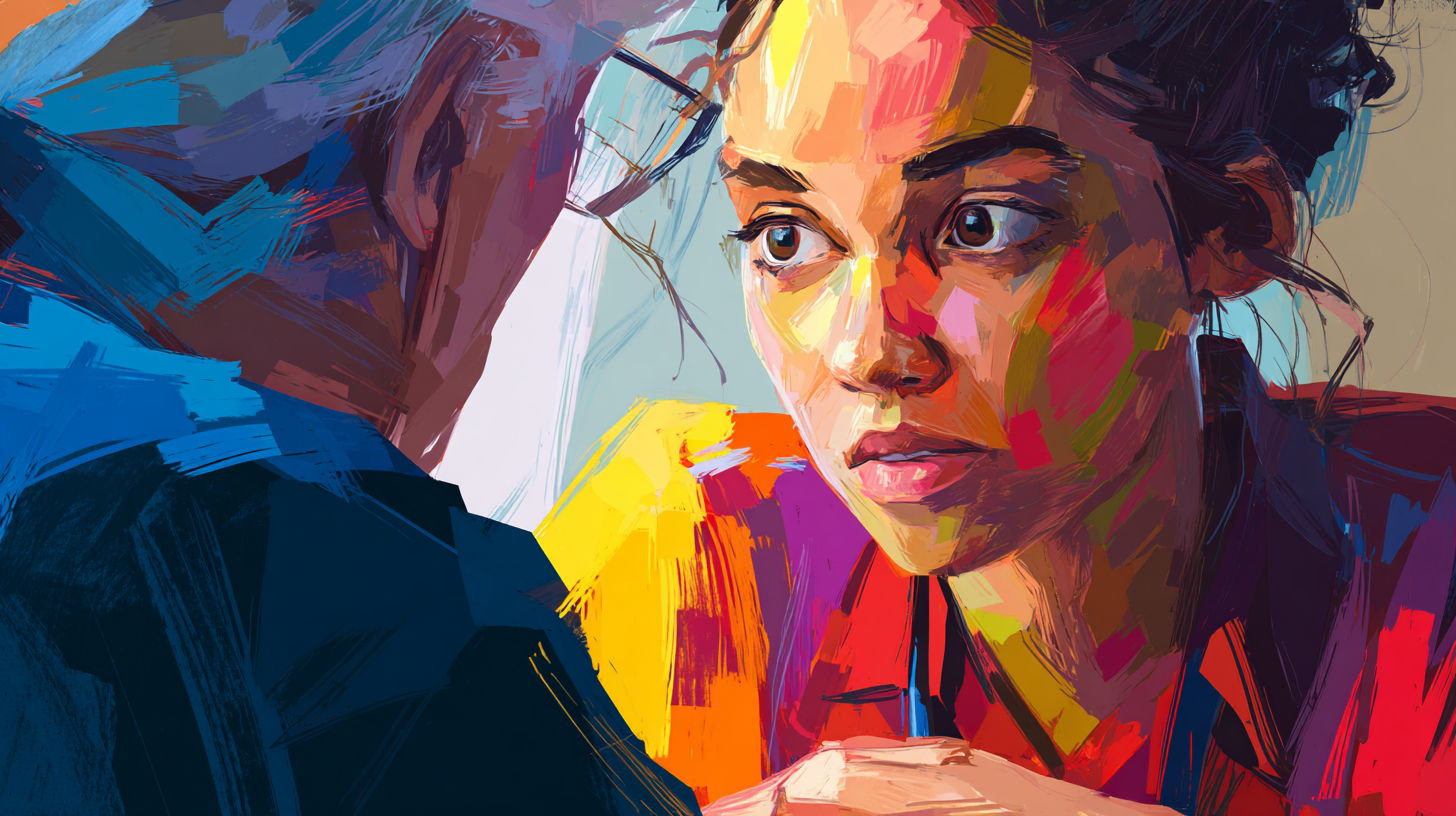
Safetyism, they argued, is driven by a specific and insidious form of concept creep: the collapsing of psychological safety into physical safety, until the two become indistinguishable. Until a challenging idea and a physical threat feel, neurologically, like the same thing.
Watch what this does to political language. In the UK when Keir Starmer won his election, his victory speech on the steps of Number 10 was a masterclass in therapeutic political language: "the sunlight of hope," "a burden finally removed," "my government will fight every day until you believe again."
In a safetyist framework, speech that causes emotional discomfort isn't merely offensive - it's violent. Policy that produces economic anxiety isn't merely painful - it's traumatising. Political opponents aren't merely wrong - they're dangerous.
The vocabulary of emergency psychiatric triage has leaked into the discourse of civic life, and it has done so on both sides. The right demands protection from cultural change it experiences as destabilising. The left demands protection from speech it experiences as harm. Both are, at their core, asking the same thing: make me feel safe, and treat the thing that threatens my safety as an emergency.
The result is a politics that has become structurally allergic to nuance. Because nuance requires the ability to sit with discomfort. To hold two competing truths at once. To accept that a policy might be necessary even when it doesn't feel good, or fair, or validating. A Vibe electorate, primed by the Feed and fluent in therapeutic language, has very little tolerance for that kind of complexity. It wants the vibe check, not the white paper.
The Boston Globe captured the paradox cleanly in August 2024: in an election nominally about race, gender, the economy and the definition of America itself, neither candidate had released comprehensive policy positions, and "voters don't seem to be asking for them either." What voters were asking for was recognition. Validation. The sense that the person on the stage understood how bad things felt, regardless of what the numbers said.
 Matt Hussey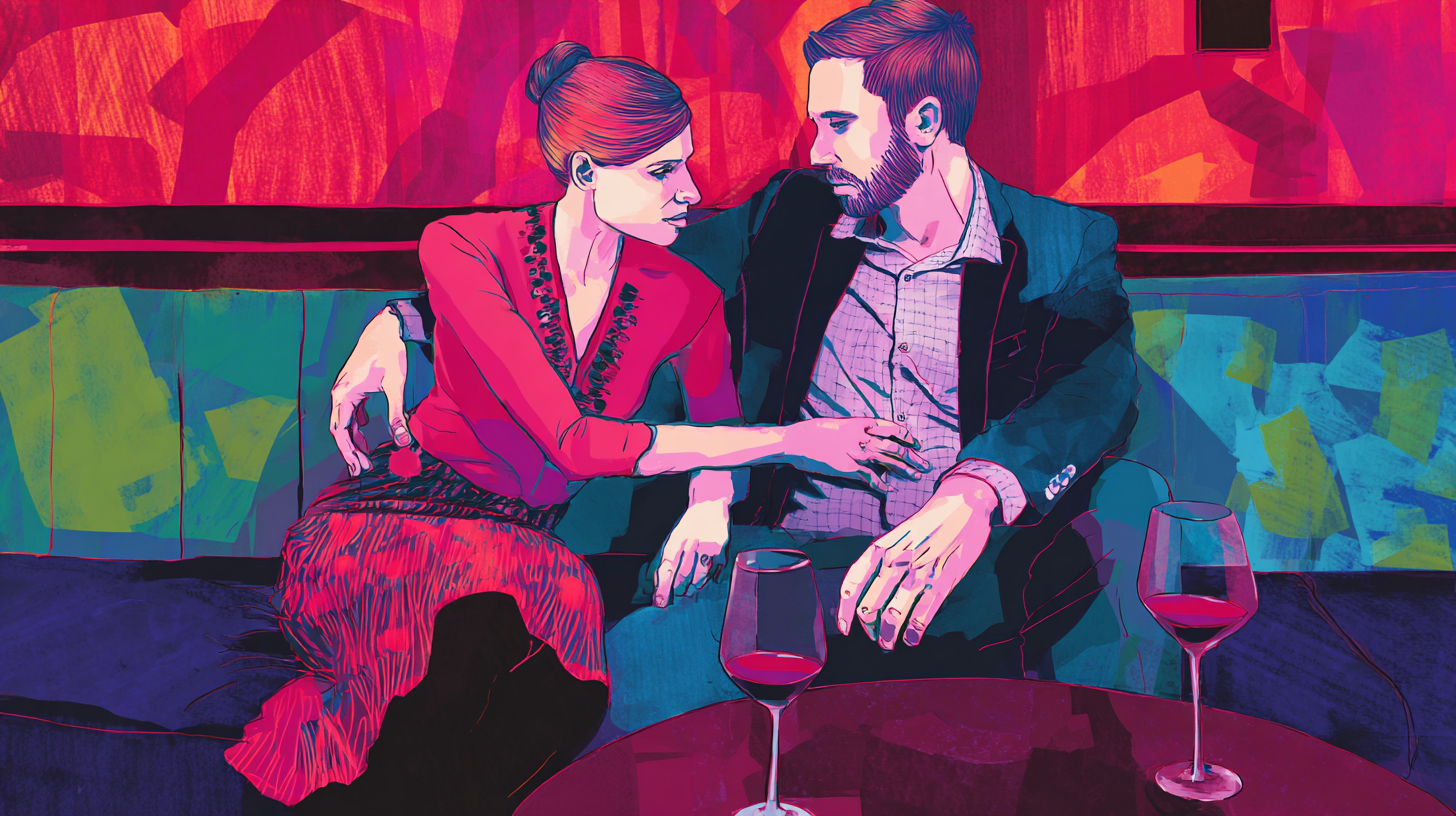
Here is the danger in that. Not that feelings are wrong - they rarely are entirely wrong. But a government that governs primarily by mood is a government that cannot make hard decisions, because hard decisions by definition make some people feel worse. It cannot cut spending where it must, reform systems that need reforming, or tell an electorate that the thing causing them pain is not, in fact, a crisis - because to do so is to invalidate the mood, and validating the mood is now the primary political product on offer.
We have, in short, arrived at a strange and precarious place: a liberal democracy in which the prevailing emotional grammar is that of the therapy room, and the prevailing political ask is not fix this but acknowledge this. Not solve, but witness. Not govern, but hold.
Governance by vibe is not governance. It is performance. And performances, however emotionally satisfying, do not balance budgets, build hospitals, or keep the lights on.
The world is better than the algorithm wants you to believe
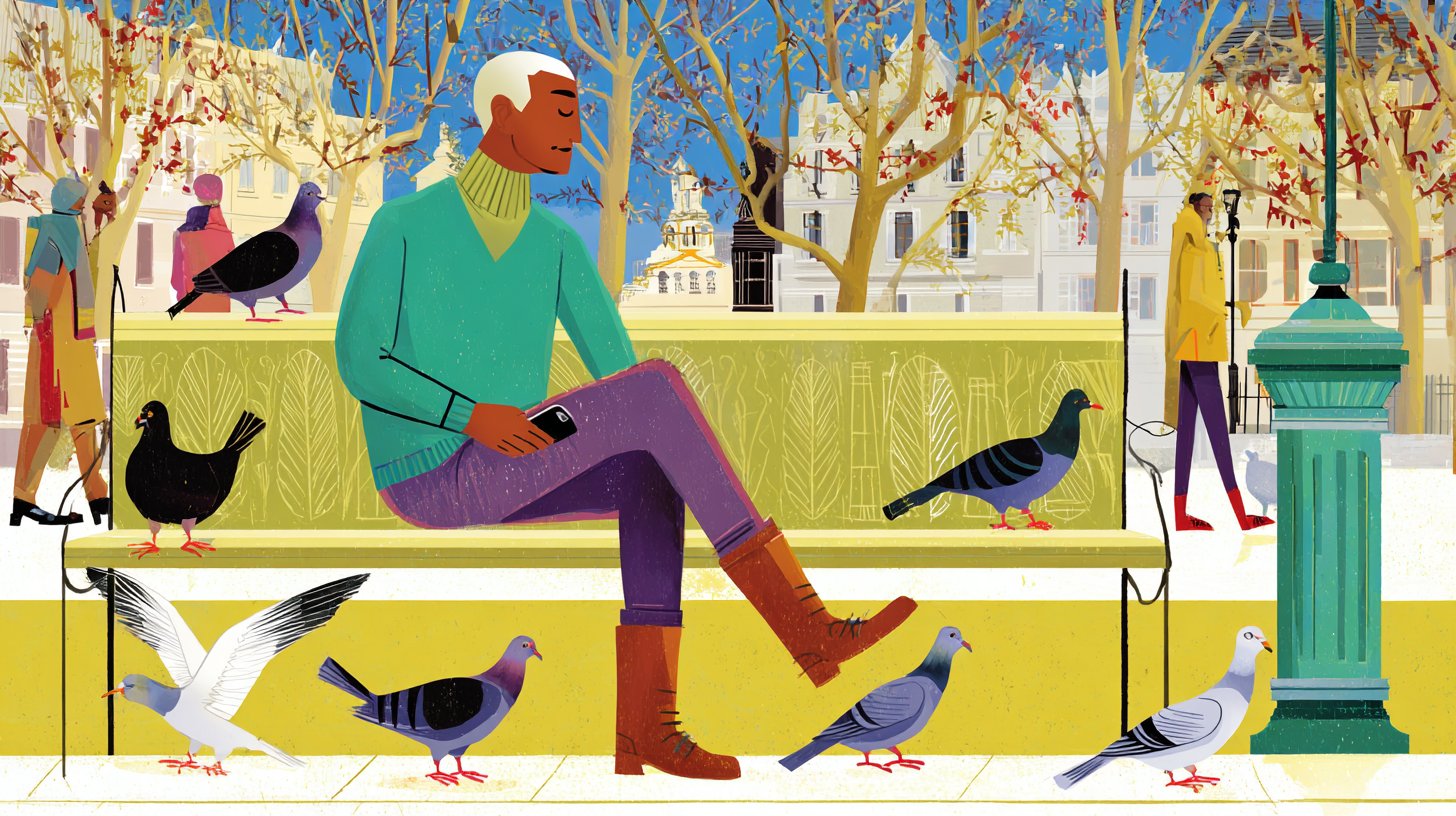
So where does this leave us? With a paradox, mostly. And one worth sitting with before we reach for easy answers.
The case against the Vibe Economy - that we have replaced data with mood, governance with performance, and civic life with a therapy session - is not an argument that everything is fine. It's not a brief for complacency. The vibes are not fabricated from nothing.
The inequality is real. The affordability crisis is real. The mental health epidemic, to whatever extent it is one, contains genuine suffering that deserves genuine care. The Britain First marchers are genuinely hateful, even if they are statistically tiny. These are not illusions manufactured by a malevolent algorithm, conjured from thin air to keep us scrolling. Sometimes the vibes know something the data doesn't.
GDP, for all its precision, doesn't measure loneliness. And loneliness turns out to be extraordinarily expensive: research from Cigna estimates it costs US employers $154 billion annually in lost productivity alone. A 2025 systematic review found the economic burden of loneliness and social isolation runs to between $2 billion and $25 billion per year in measurable healthcare and productivity costs - and those, the researchers noted, likely represent a significant underestimate of the true toll.
 Matt Hussey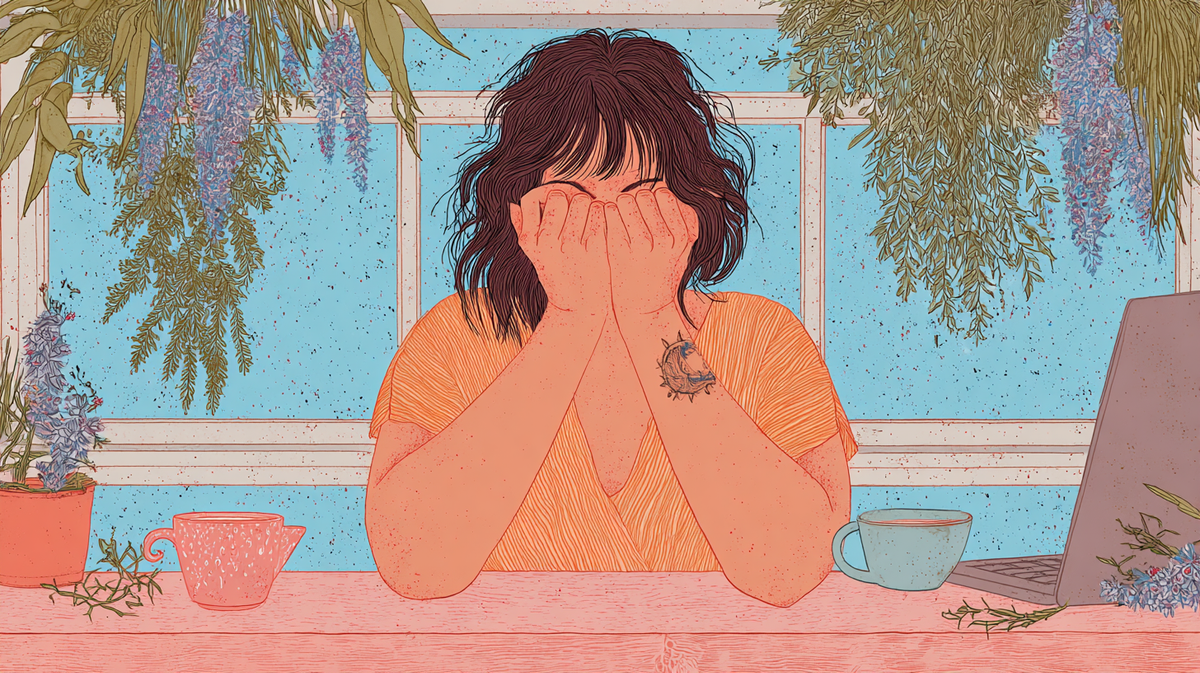
Income inequality has a demonstrable relationship with loneliness that GDP per capita cannot detect: a unit increase in economic inequality raises the odds of loneliness by 53%. The feelings of people who say "the economy doesn't work for me" are not always wrong. Sometimes they are pointing at real structural wounds that conventional metrics are too blunt to register.
A vibe is a check engine light. It tells you something is wrong. It is not entirely useless. But here is the problem. You cannot fix a car with a check engine light. You need a diagnostic. You need data. You need someone willing to open the bonnet and tell you precisely what's gone wrong - and that process requires patience, precision, and an ability to sit with complexity that the Feed is structurally incapable of providing.
Steven Pinker, the Harvard cognitive scientist and author of Enlightenment Now, has spent the better part of a decade making a case that is profoundly unfashionable and, by the data, largely correct: that on almost every measurable axis - war, poverty, disease, literacy, violence, life expectancy - the world has been getting better for a very long time.
Extreme poverty fell from 90% of the global population to under 10%. Life expectancy at birth, which hovered around 30 years for most of human history, now sits at 71 globally and 80 in the developed world. Homicides are down. Wars are fewer. The newspapers could have run the headline "137,000 people escaped extreme poverty yesterday" every single day for 25 years. They didn't. Because that story doesn't bleed. And if it doesn't bleed, it doesn't lead.
 Matt Hussey
Pinker's analysis isn't without its critics - and the criticisms are legitimate. He can be too cheerful about inequality, too quick to attribute progress to Enlightenment values while sidestepping the devastation those same values enabled. His data captures the aggregate without always accounting for who, exactly, is still being left behind.
The world is not uniformly better for everyone. Progress is real and unevenly distributed, which means the vibes of those at the bottom of the distribution are not wrong - they are simply invisible in the headline numbers.
But his core argument stands. And it stands as a rebuke to the Vibe Economy's foundational premise - that the present is uniquely catastrophic, that everything is broken, that the best response to your circumstances is a kind of performative despair. It isn't. And the data says so.
Which brings me to the only conclusion that makes sense: we need both. We need the vibes and the data. The feeling and the fact. The check engine light to alert us to the problem, and the diagnostic tool to tell us what it actually is. What we cannot afford - as individuals, as electorates, as societies trying to navigate an age of genuine complexity - is to let the mood become the map. To mistake the algorithm's preferred narrative for the territory it claims to describe.
Because the algorithm has a preference. It prefers your fear over your curiosity, your outrage over your judgement, your fragility over your resilience. It is not neutral. It is not a mirror. It is an engine designed to keep you watching - and the most reliable way to keep you watching is to make you feel that if you stop, something terrible will happen.
 Matt Hussey
Nothing terrible will happen if you stop. Or rather: the terrible things that are genuinely happening in the world will not be resolved by another hour of scrolling through them. They will be resolved - if they are to be resolved - by people who understand them clearly enough to act. And clarity requires something the Feed cannot offer: stillness. Distance. The discipline to look at a raw number and let it mean what it actually means, rather than what it feels like it should mean.
This is what we might call Stoic Citizenship - not passivity, not indifference, but the hard work of acknowledging what we feel without allowing it to dictate what we think. The ancient Stoics called it prohairesis: the capacity to choose how we respond to the world, to hold the impression and examine it before acting on it. We feel the vibe. We do not have to govern by it.
The United States of Vibes is not inevitable. It is a choice - or rather, a series of small, incremental non-choices made every time we reach for the phone instead of the report, every time we share the thing that makes us angry before we check whether it's true, every time we elect the candidate who validates the mood rather than the one who understands the problem.
The world is often better than the algorithm wants you to believe. And you are often stronger than the Feed has any interest in telling you. Log off. Touch grass. Look at the actual numbers. Then decide what you feel.