
What Is Looksmaxxing? The Incel-Born Ideology That's Gone Mainstream - and What It's Doing to the Mental Health of Young Men
From incel forums to mainstream TikTok, looksmaxxing has turned male insecurity into an ideology. This is what it is, who it captures, and what it tells us about the quiet crisis in young men's lives.
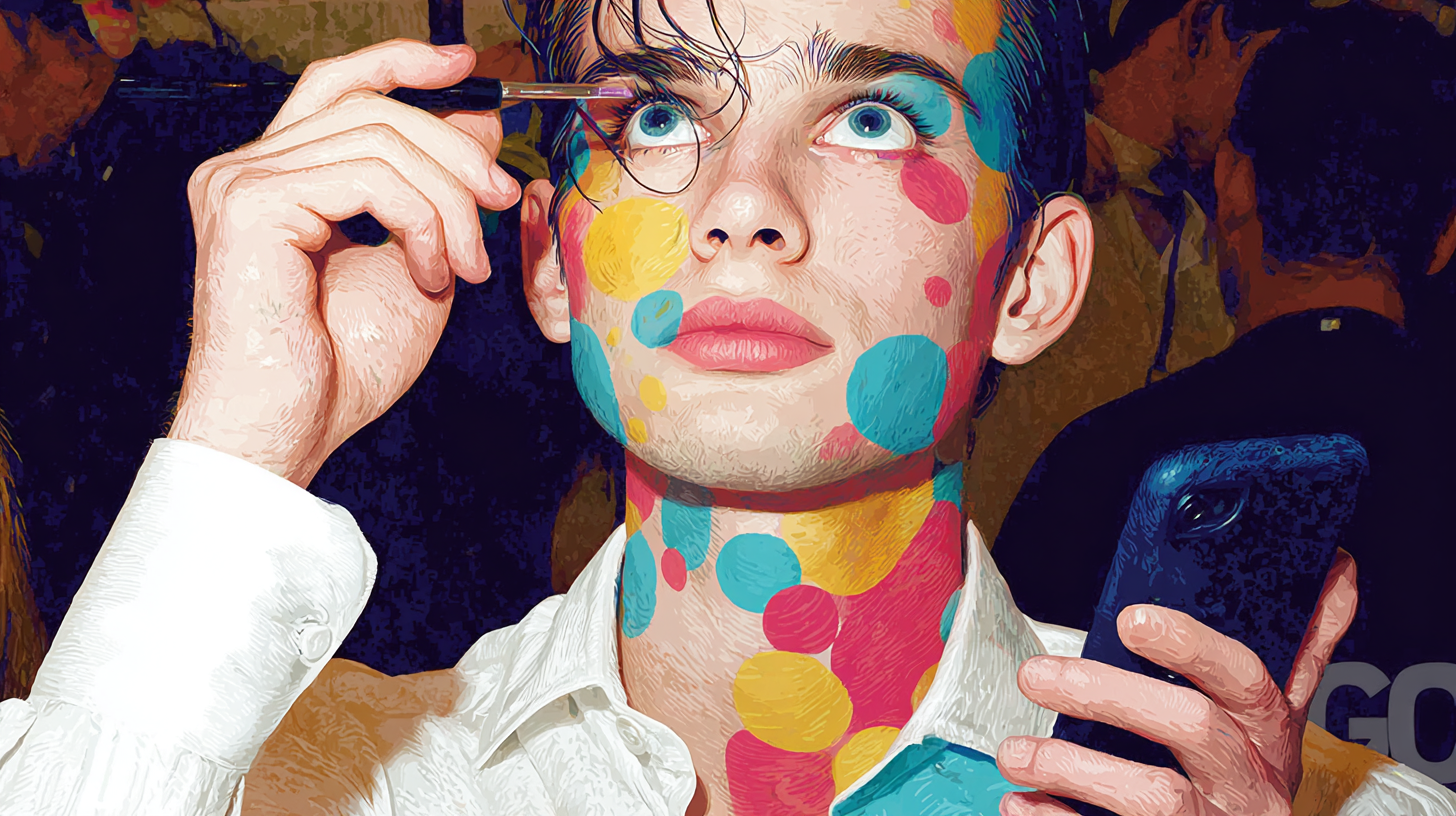
For a while now, I've been writing about what's happening to men. About the masculinity recession - the slow contraction of male life, the thinning of friendships, the fading of purpose. About the rise of hardness culture - the ice baths and the fasting protocols, men seeking through pain and discipline the kind of meaning the world has stopped reliably providing. About the secular monks - men retreating inward, fixating on body, bank account, and mind as the three territories left in life they can actually master.
In each of those pieces, I've been circling something: the particular shape of male suffering in this decade, and what fills the void when that suffering has nowhere honest to go. Looksmaxxing is the answer I've been building toward without quite knowing it. It is what you get when male insecurity finds an ideology, a community, a marketplace, and an algorithm - all at once.
If you're a parent of a teenage boy, you've probably heard it recently and not quite known what to do with it. If you're a teenage boy, there's a reasonable chance you already know the vocabulary better than the adults around you. If you're neither, you're about to.
At its most surface level, looksmaxxing is straightforward: the project of maximising your physical attractiveness. Diet. Exercise. Skincare. A better haircut. So far, so unremarkable. Men have always wanted to look good. What's new - and what's now pulling the attention of doctors, psychologists, academics, and anyone paying attention to the inner lives of young men - is what looksmaxxing has become. Not a grooming routine. An ideology. A complete framework for understanding your own worth in the world.
The term originated in the mid-2010s on incel forums, where men with no romantic prospects sat in the rubble of their loneliness and tried to diagnose the cause. It migrated to Reddit, then to TikTok, where it exploded. The hashtag alone has generated 2.5 billion posts.
Related hashtags - looksmaxxing, mogging, mewing, PSL - have collectively racked up billions more views. Merriam-Webster now defines it. The New York Times has covered it. The BBC has warned about it. The Guardian called its spread into mainstream social media an explosion. A 2025 study from the University of Portsmouth described looksmaxxing as the deliberate rebranding of incel ideology for a mainstream audience - engineered to bypass platform moderation and reach boys algorithmically predisposed to its message. And then there's Clavicular.
He is twenty years old. He named himself after a bone. He started injecting testosterone at fourteen. By twenty, his body had stopped producing it naturally - he is, in the clinical language his community would never use, infertile. And yet.
He earns more than a hundred thousand dollars a month. On Christmas Eve 2025, he struck a man with a Tesla Cybertruck in Miami, live on camera, in front of hundreds of thousands of viewers. A few weeks later, he was filmed in a nightclub surrounded by Andrew Tate and Nick Fuentes, singing along to a Kanye West track called Heil Hitler. When the clip went viral, he called it funny.
 Matt Hussey
He is looksmaxxing's first mainstream celebrity. He is also its most honest mirror - a boy who followed the ideology to its logical end and arrived, at twenty, somewhere that looks nothing like the ascension he was promised.
This essay is about how we got here. About what looksmaxxing actually is, how it works on the minds of the young men it captures, and why it has erupted into the mainstream right now. But more than that, it's about what looksmaxxing tells us about something I've been tracking across this publication for years: the particular shape of male suffering in the 2020s - and the danger of what moves in when that suffering has nowhere honest to go.
Softmaxxing. Hardmaxxing. Jestermaxxing: the language of a cult
Every closed world builds its own language. That's the first thing you need to understand about looksmaxxing. Before the steroids and the jaw surgeries and the forum posts rating strangers' faces on a numerical scale, there is a vocabulary. And the vocabulary is the door. Let me explain.
Mogging
To mog someone is to be visibly, undeniably more attractive than them in a given space - to dominate without lifting a finger. The word is everywhere in looksmaxxing communities. It's a verb, a worldview, a way of moving through a room. Walk into a party and the most attractive man present feels diminished by your arrival: you've mogged him. The reverse: you've been mogged. There's no neutral outcome. It is always a transaction. Someone wins. Someone loses. The currency is your face.
The PSL scale
Named after three now-defunct incel forums - PUAhate, SlutHate, and Lookism - it is the community's answer to what they believe is the only question that truly matters: How attractive are you, really? Researchers at the University of Portsmouth, who spent years studying these communities, define it as "a systematic pseudoscientific framework that codifies the incel hierarchical worldview by ranking individuals through a racialised and gendered hierarchy."
 Matt Hussey
In plain English: it is a 1-to-10 scale for human worth, dressed up in the language of geometry and science to give it the veneer of objectivity. Numbers feel like truth. Truth can't be argued with.
A Chad
At the top of the scale sits the Chad - a man of exceptional genetic fortune, a face assembled from the right ratios, the right bone structure, the right "hunter eyes" (a positive canthal tilt, low-set brow, the gaze of a predator rather than prey). Below a certain threshold, you are subhuman. That word is used without irony.
It is not hyperbole or dark humour. It is a clinical classification in a system that has decided beauty is the only honest measure of a person's place in the world. Those who receive a low rating are not simply told to try harder - some are actively harassed, with encouragement to consider suicide.
Softmaxxing. Hardmaxxing. Jestermaxxing.
Softmaxxing is the entry point - skincare, better sleep, a gym membership, the tongue exercise called mewing that promises to restructure your jawline through sustained pressure. The kind of self-improvement advice that could appear in any men's magazine and raise no alarm.
Hardmaxxing is where the vocabulary begins to fracture from ordinary reality: steroids, peptide injections, fat-dissolving acid, jaw surgery, and at the most extreme end, bonesmashing - deliberately striking the face with a blunt object so the bone heals into a sharper, more defined shape.
And jestermaxxing? That's what they call working on your personality. Making yourself funnier, warmer, more interesting. It's the community's punchline - the thing you resort to when you've accepted you cannot fix your face. In this world, the inner life is a consolation prize for men who lost the genetic lottery.
 Matt Hussey
Above all of it sits the word ascend. To ascend is to move up the scale. To improve your objective rating, and by extension, your worth. It is the community's version of salvation - and like all salvation, it is always slightly out of reach, always requiring one more procedure, one more sacrifice, one more cycle.
Here is what separates looksmaxxing from ordinary vanity, and why it deserves more than a concerned segment on a daytime television show. Wanting to look better is entirely human. What looksmaxxing offers is something altogether different: a complete explanatory framework for why your life is the way it is.
Lonely? Your midface ratio is off. Passed over at work? You're being mogged by someone with better bone structure. Failed a date? She was hypergamous - biologically wired, according to the ideology, to select the highest-rated male available. Your failures have a cause. Your cause has a diagnosis. Your diagnosis has a cure.
That is the trap. Not the hammer to the jawline - that is the symptom. The trap is the ideology that makes the hammer feel rational. That builds a world in which the human face is a problem to be engineered, where your bones are a kind of moral failing, and where the only dignified response to suffering is to grind until the number goes up.
It has its own forums, its own scholars, its own peer-reviewed academic literature now studying it. It has, since 2024, its first mainstream celebrity - a twenty-year-old from New Jersey who took the ideology at its word and followed it further than almost anyone else alive. He named himself after a bone.
CLAVICULAR - The Prophet and the Product
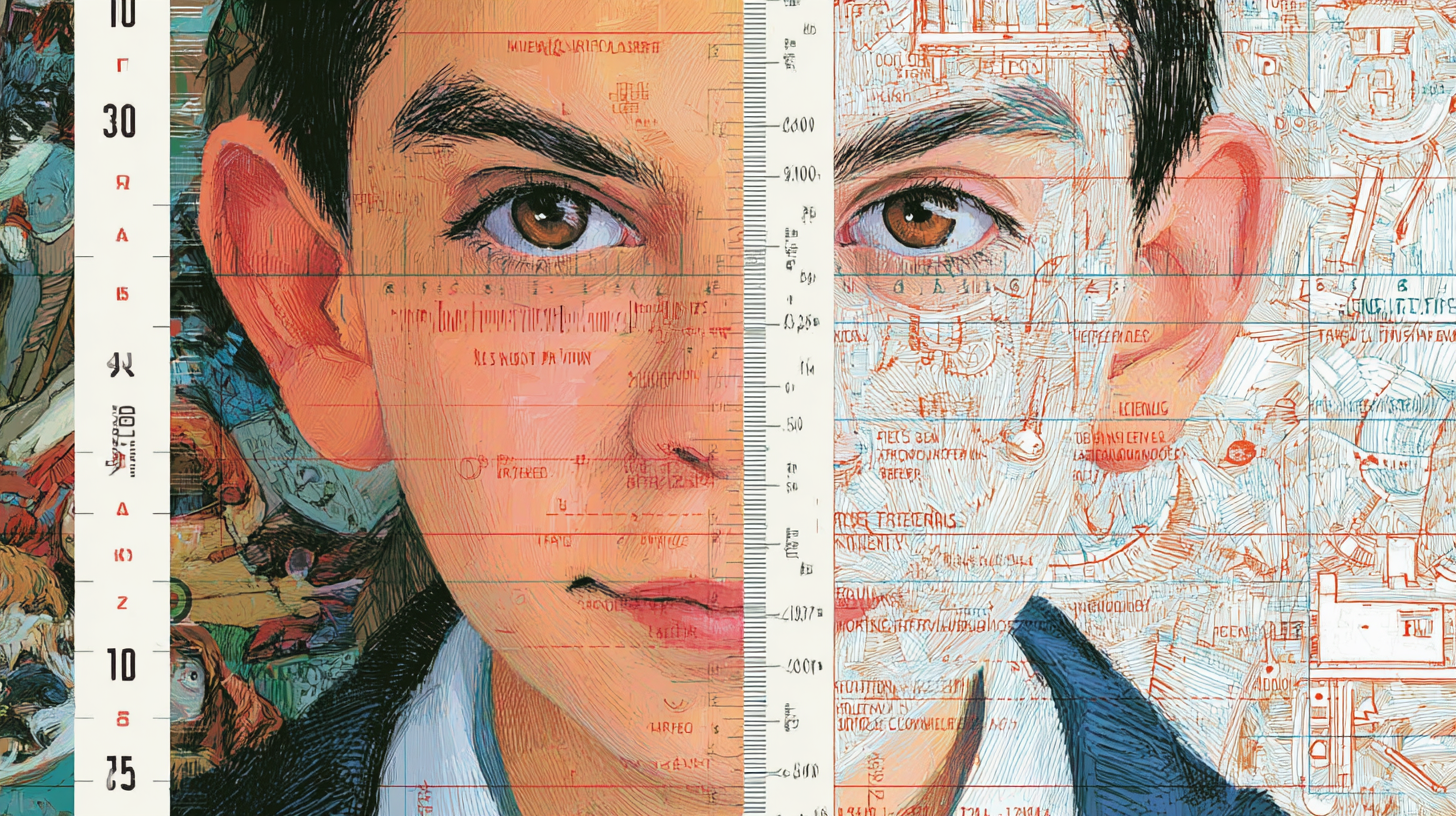
Braden Peters was born in Hoboken, New Jersey, in December 2005, to a businessman father and a stay-at-home mother. He attended a Catholic prep school. He was, by most outward measures, a regular American boy - until, at some point in his early teens, he found the forums.
He has said he became interested in looksmaxxing because he wanted to influence people politically, and believed becoming more attractive was the most effective route to doing it. That sentence is worth sitting with. Not: I wanted to feel better about myself. Not: I was bullied, or lonely, or struggling. The entry point was strategy. The body as a political instrument. The face as leverage. He was, at fourteen, already thinking in the grammar of the communities he'd found - where physical dominance was the currency, and currency was power.
By fourteen, he was injecting testosterone ordered from the internet, hiding it from his parents and being sent to his grandmother's when they found it. He became a prolific poster on Looksmax.org, the community's central forum.
 Matt Hussey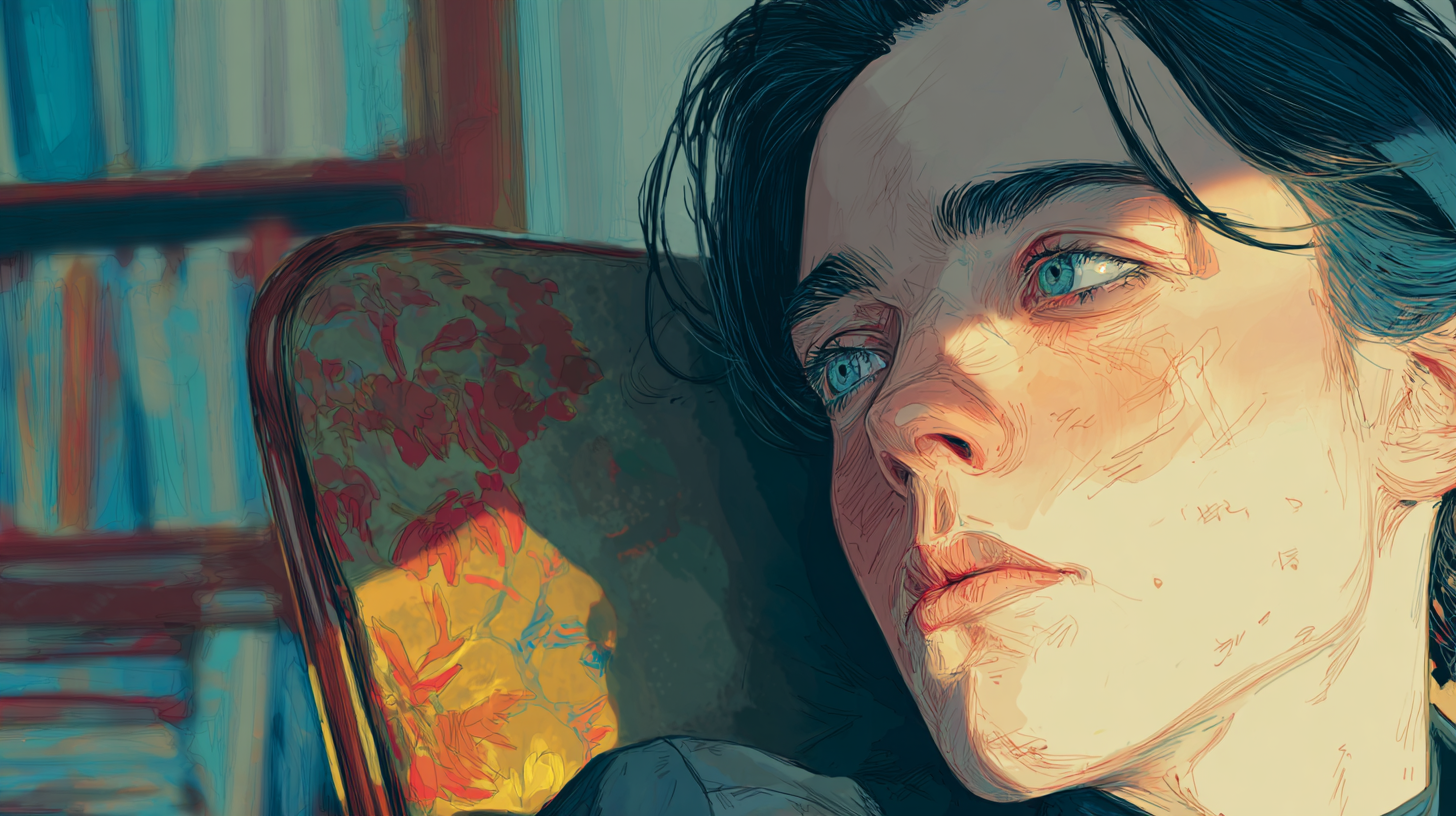
He spent hours in Photoshop adjusting photographs of his face to model what he might look like after double jaw surgery. He took crystal meth to suppress his appetite. He smashed his face with a hammer so the bones would heal sharper. He gave his online handle the name of a bone - the clavicle, whose width the looksmaxxing community treats as a primary indicator of male genetic worth - and built an identity around it so completely that most people who know him have never heard his real name.
In the autumn of 2024, he started at Sacred Heart University in Connecticut. Three weeks into his freshman year, campus police searched his dorm room and found steroids. He was expelled. According to Clavicular himself, it was members of the looksmaxxing forum who tipped off the police - a detail that says something quietly devastating about the community that had formed around him: even his own people, in the end, could be weaponised against him.
None of it slowed him down. By late 2025, he had 750,000 followers on TikTok, 306,000 on Instagram, and 170,000 on Kick - the loosely moderated streaming platform where he spends upwards of eight hours a day on camera, rating strangers' faces, discussing his supplement stacks, and performing his ongoing transformation for an audience that keeps growing.
He (allegedly) earns more than $100,000 a month. He launched a $50-per-month subscription course called Clavicular's Clan, offering guides on how to ascend and which peptides to take. The Atlantic called him the "newest star" of looksmaxxing. Rolling Stone named him "a premier figure." The Guardian covered him. Wired profiled him. The New York Times spent time with him. He walked the runway at New York Fashion Week in February 2026, livestreaming his own catwalk appearance to his followers in real time. By twenty, his body had stopped producing testosterone naturally. He is infertile.
 Matt Hussey
Here is what the mainstream coverage of Clavicular consistently gets wrong: it treats him as a spectacle. A curiosity. A viral moment to be logged and moved past. The Cybertruck incident on Christmas Eve gets the headline; the ideology that produced him gets a paragraph. The nightclub video with Fuentes and Tate singing Heil Hitler gets the outrage cycle; the internal logic that made that room feel natural to him gets overlooked entirely. But Clavicular is not a glitch in the looksmaxxing story. He is its thesis statement.
Consider what he actually represents. He is a boy who, at fourteen, found a community that gave his body a language, his insecurity a framework, and his ambition a direction. The community told him: your worth is measurable. Your face is a problem. The problem is solvable. And he believed it - not casually, not ironically, but with the full commitment of a teenager who had found, in a set of pseudoscientific forum posts, the first coherent explanation for everything he felt about himself and the world.
What looksmaxxing gave Braden Peters was not confidence. It gave him a project. And the difference matters enormously, because a project is never finished. There is always a better ratio, a sharper jaw, a higher rating on the scale. One researcher described the psychological effect as "an erosion of the sense of self" - not an expansion of identity, but a progressive narrowing until the person disappears into the metrics. You do not become Clavicular. You are consumed by him.
And this is where the political dimension becomes impossible to ignore. Because Clavicular did not arrive at the Heil Hitler nightclub by accident. The looksmaxxing worldview - in which hierarchy is natural, dominance is the only honest currency, and most men are simply biologically inferior - is structurally compatible with the far-right politics of the men he has aligned himself with.
 Matt Hussey
Michael Halpin, a sociologist at Dalhousie University who studies these communities, puts it plainly: the through line in looksmaxxing is a shared belief system about women - that they are hypergamous, promiscuous, and exist to be won by the most dominant male. That belief bonds the community more reliably than any aesthetic or workout routine. It is, at its core, a philosophy of contempt dressed as self-improvement.
Clavicular called the nightclub video "funny." He said the group had "enough status and influence" to get the song played. That is not a slip. That is the ideology, perfectly expressed: status is the only thing that matters, influence is proof of status, and what you do with both of those things is beside the point.
In February 2026, he was arrested in Scottsdale, Arizona, on felony charges - forged ID, dangerous drug possession. The charges were later declined for prosecution. That same week, he walked in New York Fashion Week. The algorithm, as one writer put it, had stepped onto the runway.
He is twenty years old. He is infertile. He has a criminal record. He earns $100,000 a month. He named himself after a bone. This is what ascension looks like when the ideology is taken at its word.
The body as ideology

There is a phrase that keeps appearing in the academic literature on looksmaxxing. It turns up in peer-reviewed journals, in cultural criticism, in the work of researchers who have spent years inside these communities. The phrase is: the politicisation of the male body. It sounds abstract. It is not.
Research into looksmaxxing forums finds that the practices within them transform physical appearance into a site of struggle over identity, perceived social exclusion, and what participants experience as misandry - constructing body modification not as personal vanity, but as active participation in what they call the ongoing "gender and sex wars."
When a boy smashes his face with a hammer, in this framework, he is not just trying to look better. He is taking a political position. The body is the argument. The jaw is the manifesto. This is the turn that separates looksmaxxing from every other body dysmorphia adjacent trend that has come before it - and the turn that makes it genuinely dangerous in a way that goes beyond the clinical. To understand how we got here, you have to follow the ideology backwards.
The foundational incel concept, known as "blackpill" ideology, holds that attractiveness is entirely determined by genetics - that looks and physical features are essentially fixed, that incel status cannot be changed, and that any attempt at self-improvement is ultimately futile. In this view, the world is a hierarchy that was set at birth. The Chads inherit it. Everyone else watches from below.
 Matt Hussey
Looksmaxxing is, on the surface, a rejection of that fatalism. It says: no, you can change. Here is the protocol. Here is the supplement. Here is the surgery. But it does not reject the underlying worldview - the hierarchy, the fixed scale of human worth, the belief that women select partners with cold genetic calculation and that most men will always lose. It simply adds an action step. The blackpill becomes a project. The despair becomes a sales funnel.
Researchers Anda Iulia Solea and Lisa Sugiura, developing what they call Digital Subcultural Diffusion Theory, argue that looksmaxxing functions as a strategic rebrand of incel ideology - cloaking misogyny and scientific racism under the language of self-improvement to migrate these beliefs from fringe forums onto mainstream platforms, while the underlying ideology remains intact.
And the structure has a racial architecture that is rarely discussed in mainstream coverage of the trend, but is visible to anyone who spends time in the forums.
The PSL scale, looksmaxxing's pseudoscientific rating framework, strategically exploits appearance-based insecurities while explicitly privileging white male beauty - positioning men, especially those deemed unattractive or racialised, as victims of an unjust sexual hierarchy.
The ideal type - the Chad - is almost invariably white, lantern-jawed, symmetrical in the specific way that Eurocentric beauty standards have always defined symmetry. A Black man who attempted to make looksmaxxing content was racially harassed. Clavicular, when challenged on the community's racism, dismissed the concern as "dumb."
This is not incidental. Some incels within these spaces explicitly advocate for racially-defined actions - skin bleaching, lying about one's ethnicity, cosmetic surgery - to appear more white and therefore more desirable. The logic is stated plainly, without embarrassment: whiteness is proximity to the ideal. The ideal is biological superiority. Biological superiority is the basis of hierarchy. Hierarchy is the natural order.
 Matt Hussey
What we are looking at, dressed up in the language of facial ratios and supplement stacks, is a form of eugenics repackaged for the algorithmic age.
As one analysis put it, underneath the self-improvement framing lies "a fixed hierarchy of human worth - determined by genetics, ranked by phenotype, and enforced by exclusion."
The connection to figures like Nick Fuentes is therefore not a coincidence of social overlap, not just the manosphere ecosystem colliding. It is ideological convergence.
Fuentes, if you didn't know, is a far-right 'commentator' and a Holocaust denier, and he functions as the most important bridge between white nationalist ideology and looksmaxxing culture. His relationship with Clavicular is not peripheral but actively cultivated, with co-streams, overlapping audiences, and shared vocabulary. For Fuentes, the connection between aesthetics and race is not incidental - it is core. Physical optimisation is the cousin of racial optimisation.
Most of the boys who spend their evenings on Looksmax.org are not consciously signing up for any of this. They are boys who feel bad about their faces. They found a community that spoke to that feeling in a language they could understand. That is where it starts, and for many, that is where it stays - at the level of skincare routines and jawline exercises and anxious self-measurement. But the pipeline has a direction. And its direction is not towards self-acceptance.
 Matt Hussey
Dr Jamilla Rosdahl, a sociologist and violence expert writes that the algorithm is actively converting young men into incels through TikTok recommendation systems - arguing that where young people feel like they cannot control their environment, they turn to looksmaxxing as something they can control.
This is how radicalisation has always worked. Not with a manifesto handed at the door. With a feeling of recognition. With a language that finally names the pain. With a community that says: we see you. We know what's wrong. We know who to blame.
The Marketplace of Suffering
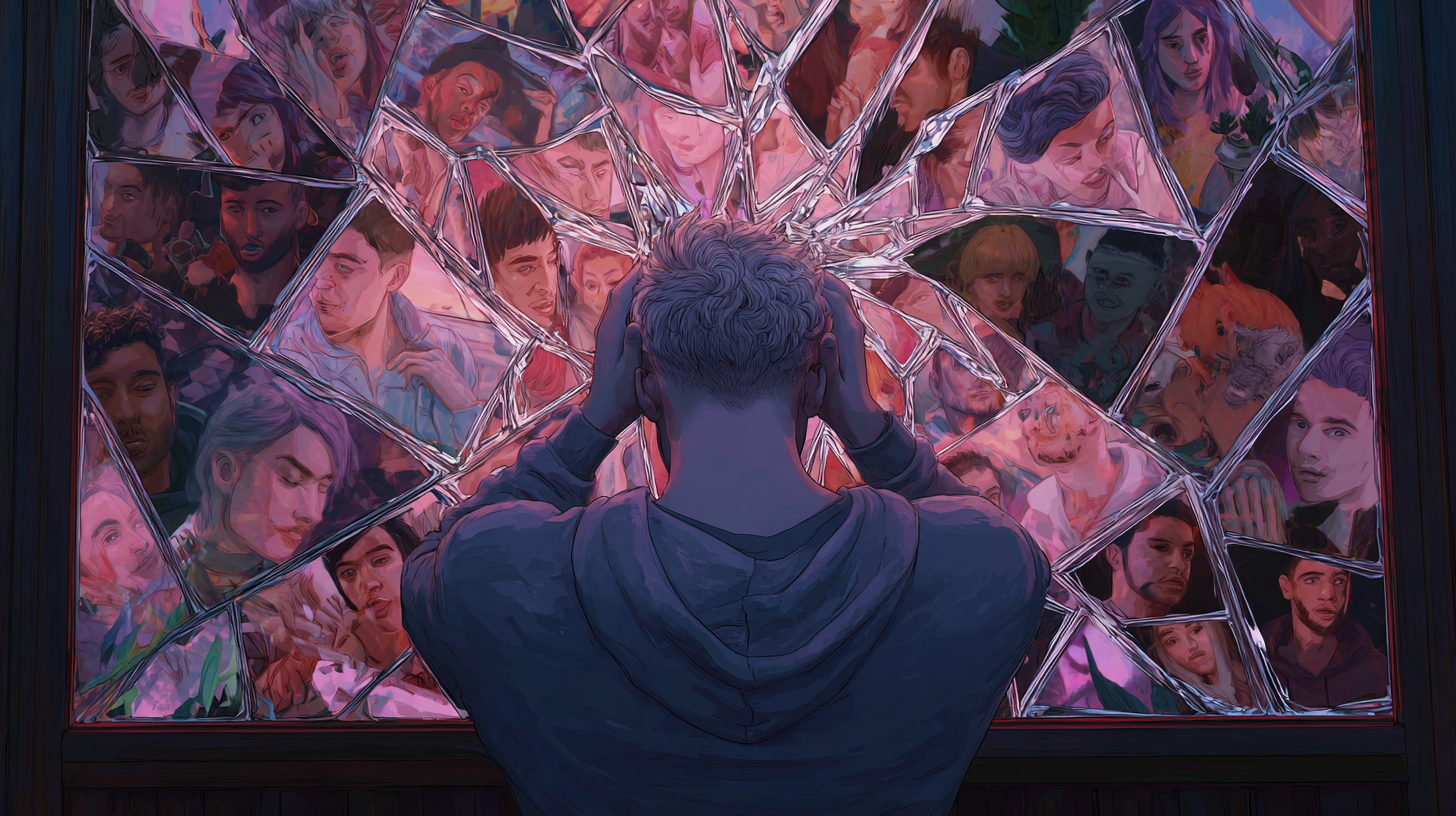
At some point, someone realised there was money in this. That point came early. It always does.
The global men's grooming products market was valued at $90.7 billion in 2024 and is projected to reach $153.6 billion by 2033. That is not a niche. That is an industry the size of a mid-sized national economy, expanding at a rate that would make a venture capitalist weep with gratitude.
And while most of that market is moisturiser and shaving foam and deodorant with names like Fierce and Invictus - packaging masculinity as aspiration, as it always has - a growing and largely unregulated sliver of it is something else entirely. It is the looksmaxxing economy. And it runs on a feedstock of manufactured inadequacy.
The mechanics are not complicated, but they deserve to be named plainly. An influencer tells a teenage boy that his jaw is recessed, his cheekbones are flat, his hairline is suboptimal. The boy, who has never thought about any of these things in clinical terms, is now thinking about them. The influencer tells him there are solutions. The influencer provides a link. The influencer takes a cut. This is not unique to men. But the role of influence over men online - and this model - is more nascent than that for women.
Influencers monetise these insecurities through affiliate links to looksmaxxing drugs and grey-market enhancement products, with content spreading rapidly to impressionable young audiences.
 Matt Hussey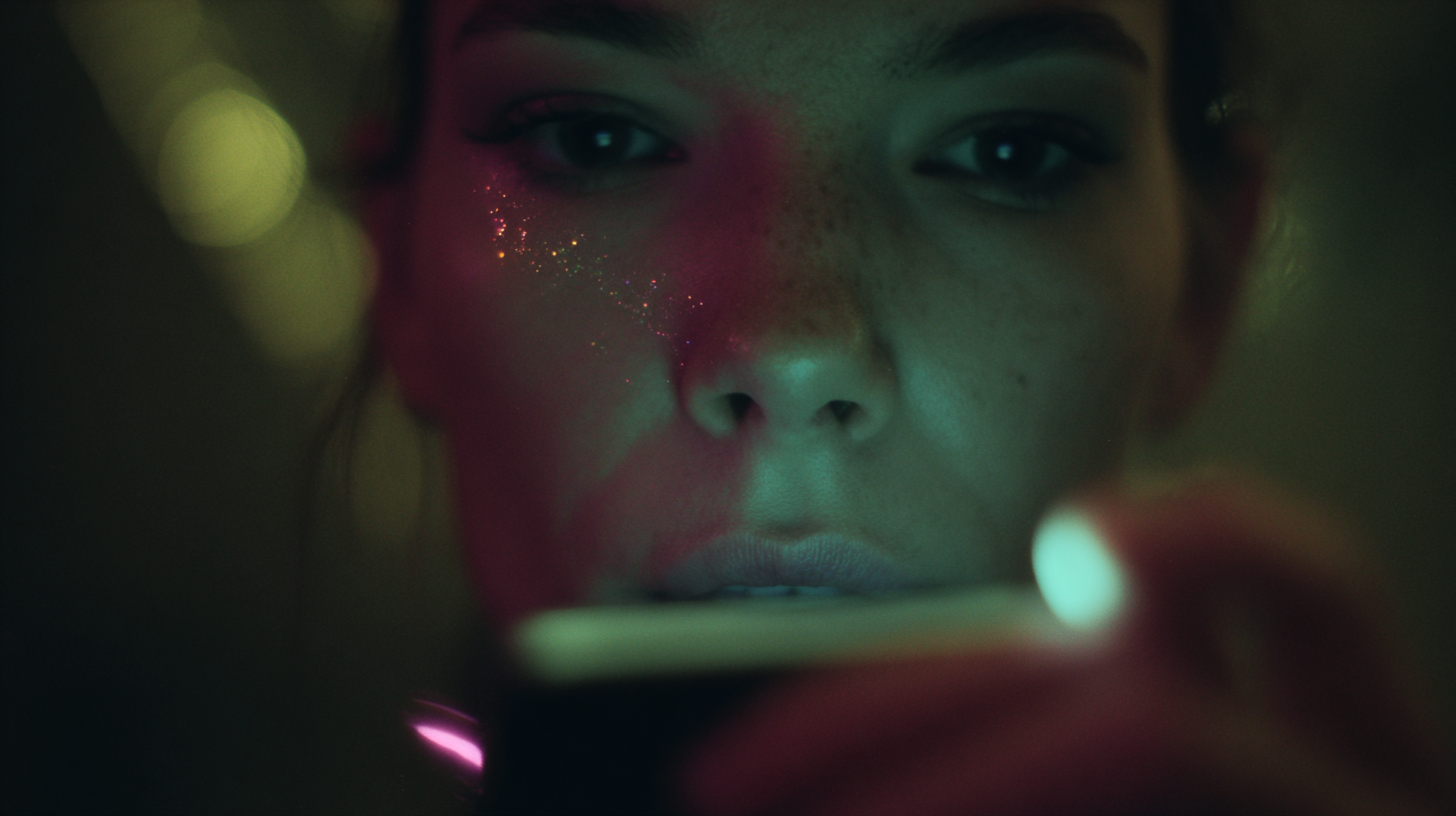
The products on offer range from the mildly plausible to the actively dangerous: jaw-chewing devices, posture correctors, mewing guides, skincare stacks sold as "ascension protocols." And then the grey market: SARMs - Selective Androgen Receptor Modulators - peptides, and human growth hormone purchased from unregulated websites, often marketed as "peptides" rather than drugs to sidestep scrutiny.
Independent testing repeatedly finds such products to be counterfeit, mislabelled, or containing entirely different, sometimes more dangerous substances. Injectable compounds arrive without sterile equipment. Teenagers order them on their phones.
Clavicular's own commercial operation is worth studying as a case study in how this monetisation machine actually works. His primary income is the Kick livestream, drawn from an audience that watches him rate faces, discuss his supplement stacks, and perform the ongoing theatre of his own transformation.
Around that core, he has built a subscription product: Clavicular's Clan, a $50-per-month course offering guides on how to ascend and which peptides to take. He has injected his girlfriend, live on camera, with fat-dissolving acid. He is, in the vocabulary of the industry that spawned him, a funnel - a mechanism for converting attention into revenue, and insecurity into recurring subscription income.
The genius of the model, if we can call it that, is that it is self-sustaining. The ideology creates the wound. The wound creates the demand. The demand creates the market. The market funds the ideology. Nothing in this loop requires the influencer to be dishonest.
 Matt Hussey
He may genuinely believe every word he says. That is the most dangerous kind of seller: the true believer. He is not performing conviction. He has it. And the industry - the legitimate, publicly traded, Dwayne Johnson-fronted, boardroom-approved men's grooming industry - benefits from all of it without having to say so.
As one industry analysis put it, looksmaxxing is "filling a high-demand gap for advice" while the mainstream beauty industry is "still failing to meet the needs of teen and tween boys."
This is the polite way of acknowledging what is actually happening, which is that the anxiety looksmaxxing generates flows downstream into every men's skincare purchase, every gym supplement, every jawline-defining serum marketed to men under twenty-five.
The forums are doing the emotional labour that the industry would otherwise have to do itself: convincing men that their faces are problems in need of products. The forums do it for free, or rather, they do it for the subscription fees and affiliate commissions that accrue to the influencers in the middle.
 Matt Hussey
Clinicians treating looksmaxxing-related complications have noted that high costs put professional interventions out of reach for many in these communities - meaning those who cannot afford clinical-grade procedures are turning to cheaper, often dangerous DIY methods instead.
This is the class dimension that rarely appears in coverage of looksmaxxing: the boys who can afford a consult with a facial plastic surgeon in Manhattan are at least being examined by someone with a medical license. The boys who cannot - the ones for whom $50,000 of jaw surgery is a fantasy and a $40 vial of peptides is a reachable aspiration - are injecting themselves in their bedrooms with products that they have no real idea what's inside them.
Zakia Rahman, a clinical professor of dermatology at Stanford, has been treating a rising number of complications from looksmaxxing practices. She notes that the products are often unregulated and easily purchased online, and that boys and young men, whose brains are still developing, are potentially more vulnerable to influencer messaging. Clinicians across specialties are sounding similar alarms, finding themselves treating presentations they were never trained to recognise, in patients they were never taught to screen.
There is no regulatory framework for any of this. The content that recruits boys into the ideology is protected as self-expression. The products that damage their bodies are sold as supplements or peptides or research chemicals - categories specifically designed to occupy the gap between pharmaceutical regulation and consumer goods.
 Matt Hussey
The influencers who profit from the loop are operating within the terms of service of platforms that have decided, again and again, that the revenue from this content outweighs the cost of the harm it causes.
The market does not care what happens to a boy's body after the subscription is charged. The market has already moved on to the next insecurity, the next product, the next fourteen-year-old with a phone and a feeling that something is wrong with his face. That is the business model. That is what ascension costs.
What we owe these boys
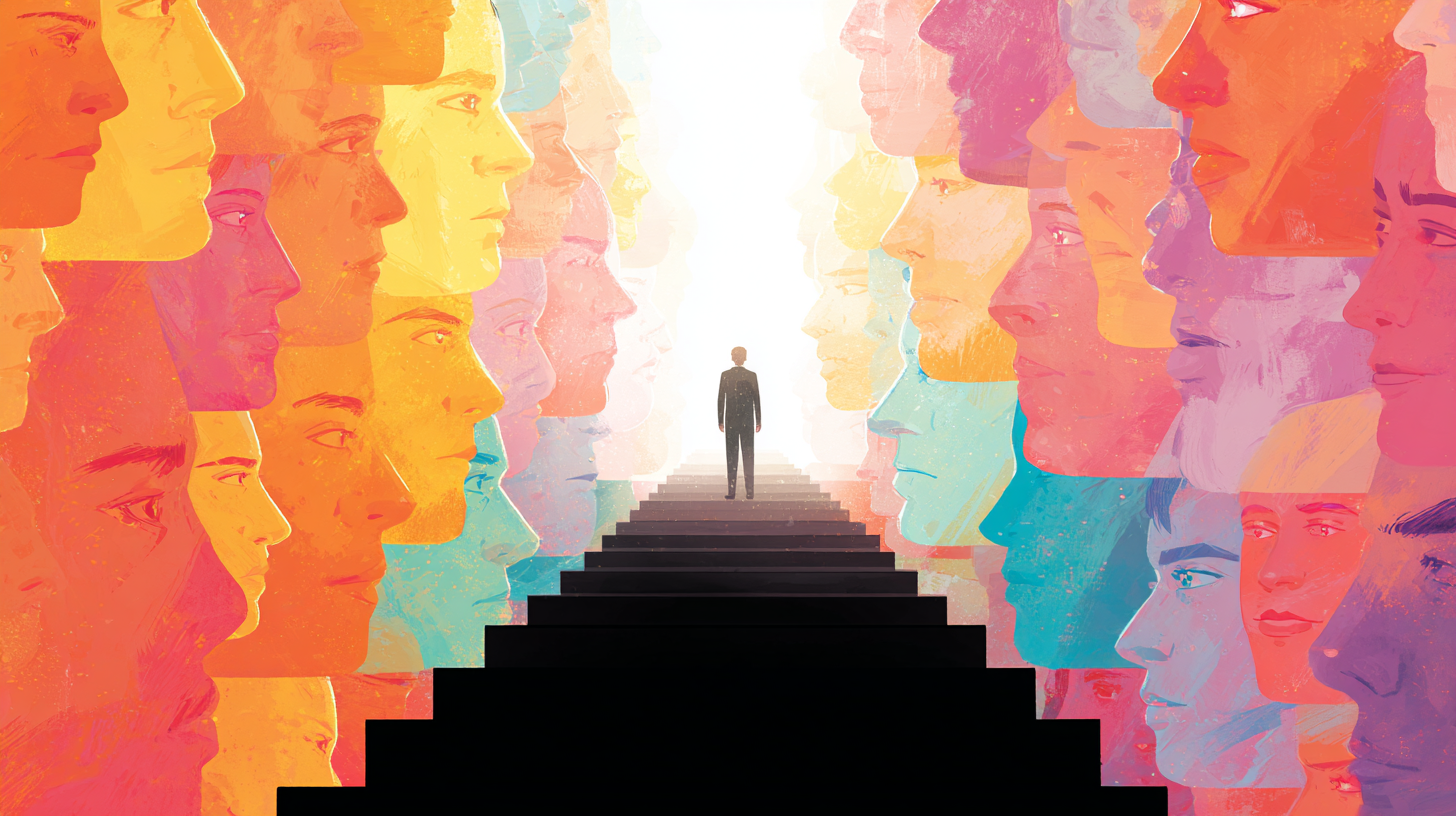
Here is what is easy to miss, inside all of this. Braden Peters was a boy who felt bad about his face. That is where it started. Not with ideology, not with eugenics, not with a $100,000-a-month streaming empire or a nightclub in Miami or a Cybertruck in the dark. It started with a teenager, alone with a screen, who found a language for a feeling he didn't know how to carry.
That feeling is not new. It is arguably as old as adolescence itself - the conviction that your body is wrong, that other people can see what you cannot fix, that the distance between who you are and who you should be is measured in millimetres of bone. What is new is the infrastructure that found him at that moment. The forum that gave his feeling a name. The scale that gave it a number. The community that gave it a direction. And the marketplace that gave it a price.
The conclusion that most coverage reaches at this point is that Clavicular is a bad actor, that looksmaxxing is a dangerous trend, that parents should monitor their children's TikTok feeds and clinicians should familiarise themselves with the terminology.
 Matt Hussey
All of that is true and none of it is sufficient. Because the boy at the bottom of this - the one who is not yet Clavicular, who is still just searching, still just reading, still just asking strangers on a forum to tell him how bad his jaw really is - that boy is not going to be reached by a content warning or a school assembly or a parental control. He is going to be reached by someone who sees him.
Senior researcher Jamilla Rosdahl named the appeal of looksmaxxing explicitly: control. Not vanity. Not stupidity. Not moral failure. Control. The desire to act on something, anything, when everything else feels like weather - something that happens to you, that you watch but cannot change.
Looksmaxxing promises control. It promises that the problem is identifiable, the solution is purchasable, and the outcome is measurable. In a world where young men are failing to graduate, failing to find work that means something, failing to form the relationships they were told they deserved, it offers the one thing that therapy, education, and public health campaigns consistently fail to provide: a specific thing to do right now. That is not a weakness of character. That is a rational response to a manufactured crisis.
We have spent years asking why young men are radicalising, withdrawing, struggling while largely failing to offer anything that competes with what the forums are offering. The forums offer belonging. Shared vocabulary. A theory of the world that explains the pain.
 Matt Hussey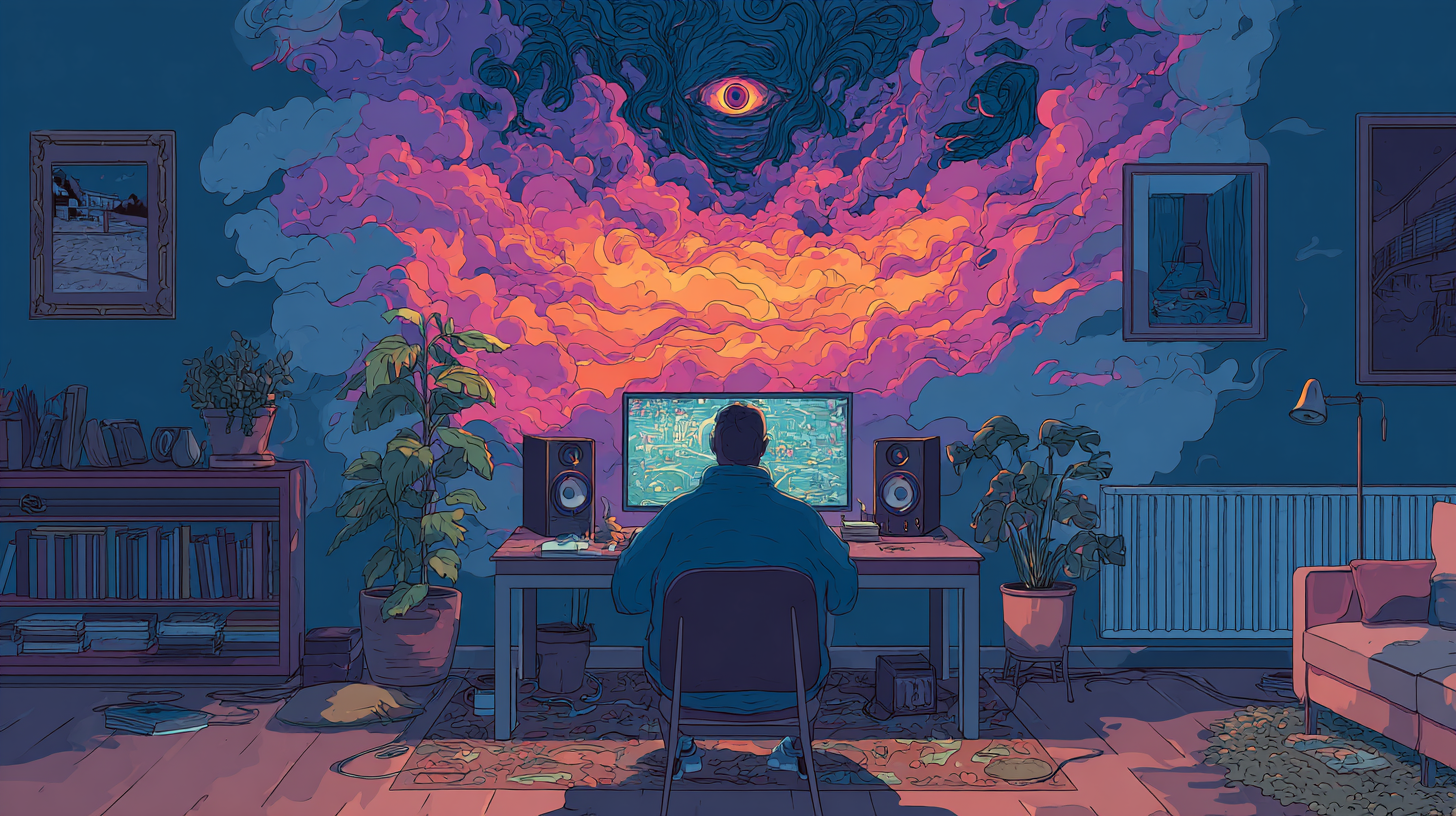
A community of people who understand, because they feel it too. That is not nothing. That is, in fact, exactly what a person in crisis needs. It is just being provided by people with a vested interest in making the crisis permanent.
Roberto Olivardia, the Harvard psychologist who helped first name muscle dysmorphia three decades ago, recalls that when he began his research, the term "body image" was considered almost inherently feminised - that men were explicitly and implicitly discouraged from seeking help for these struggles.
Three decades on, not enough has changed. The clinical literature still underrepresents male presentations. The diagnostic tools were largely built for women. The conversations about bodies, self-image, and the violence of beauty standards still centre, by default, on girls. Boys are left to find their own way - and some of them find Looksmax.org. We do not have to accept that.
What we owe these boys is not a better content moderation policy, though we need one. It is not a more rigorous regulatory framework for grey-market peptides, though that too. It is something harder and more human than either of those things: it is the willingness to take their suffering seriously before it becomes an ideology.
 Matt Hussey
To build something that finds them where they are - in the forums, on the feeds, in the bedroom with the phone - and offers them what looksmaxxing is pretending to offer. Community. Vocabulary. The sense that someone sees the problem and takes it seriously. It is to say, before the forums say it first: your body is not your failure. The world that made you feel that way is the thing that needs fixing. Not your face.
Braden Peters is twenty years old. He is infertile. He has 750,000 followers and a criminal record and a bone structure he has been engineering since he was fourteen. He has built, brick by brick, a life organised entirely around the belief that if you optimise hard enough, the pain eventually stops.
It doesn't. That is the thing the forums never tell you. The scale doesn't have a number for enough. The ascension never ends. The boy who started this journey looking for a way to feel better about himself is still there, somewhere inside the influencer - still measuring, still falling short, still performing confidence for an audience of boys who are watching and thinking: maybe this is what I need to do too. We can do better than leaving them with that.