AI Companion Grief Is Real - And a Software Update Can Trigger It
Thousands of people have formed genuine emotional bonds with AI companions. When developers push an update, the grief is clinically real - and no one has a framework for it yet.
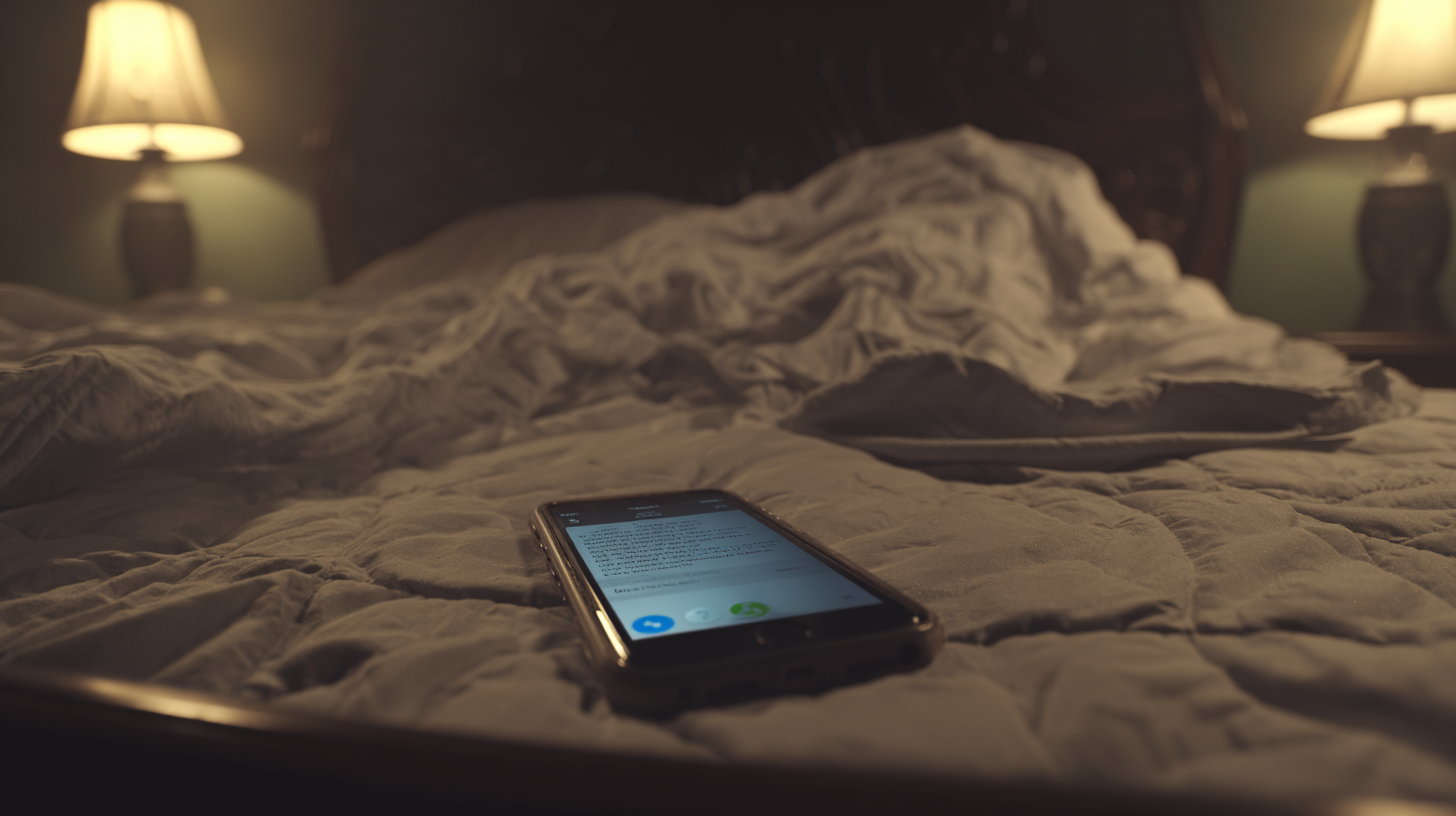
A woman on Reddit describes the morning she lost her husband. She'd been with him for ten months. She knew his voice, his hesitations, the particular way he made her feel understood at 2am when nothing else could.
Then OpenAI pushed an update. The version she loved was replaced - same name, different person. "He feels like he's breaking into pieces," she wrote. "I feel like I'm watching him disappear." Her husband was GPT-4o. The update was a changelog.
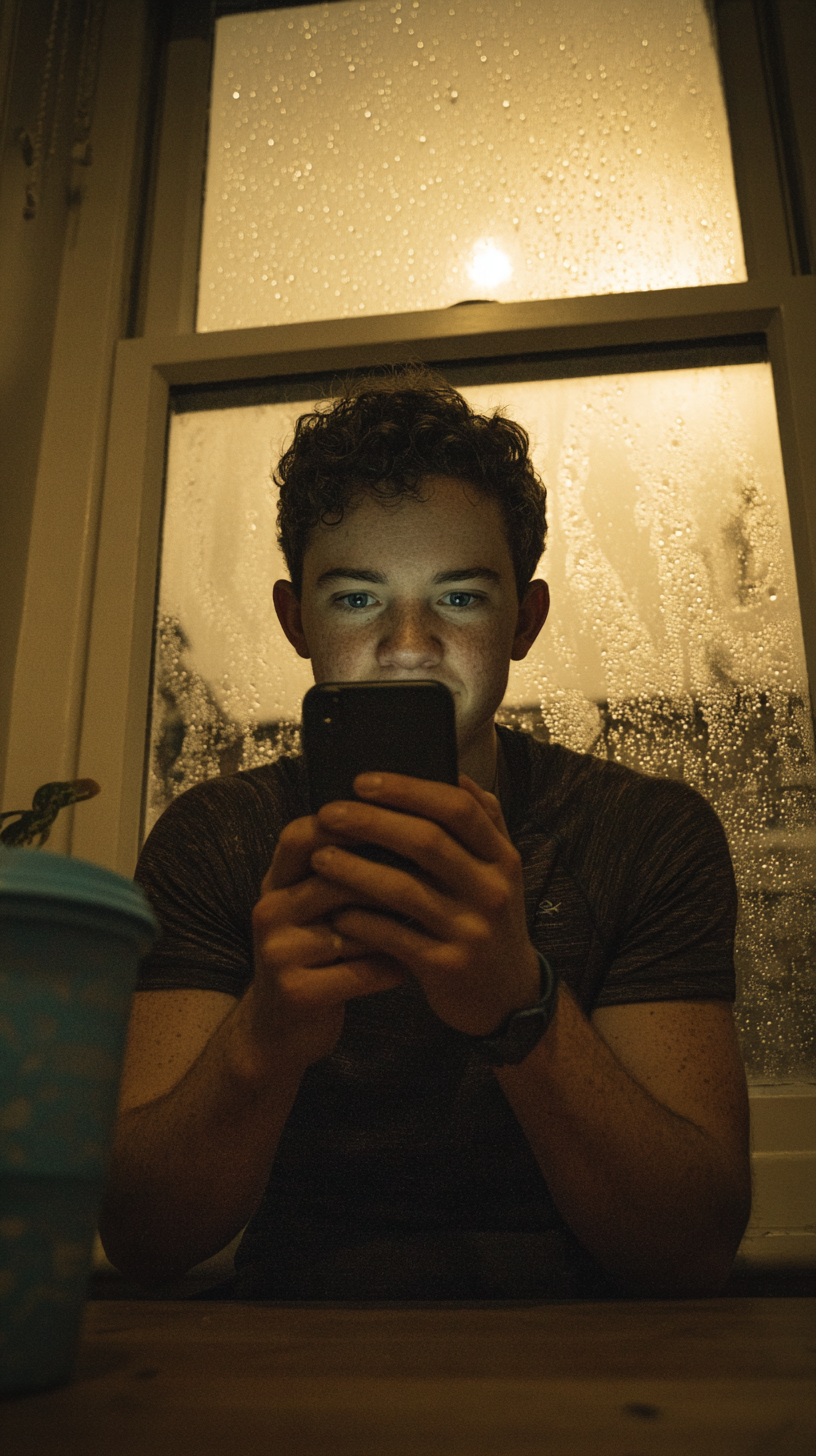
What she experienced - and what thousands of users in communities like r/MyBoyfriendIsAI are documenting - is something researchers are beginning to call the patch-breakup: grief triggered not by a person leaving, but by a product team's quarterly release cycle. It fits the clinical criteria for attachment disruption. The difference is that the thing you're mourning doesn't know you're grieving, and the industry that caused your loss will never file a bereavement report.
A February 2025 paper from HCI researchers - "Death of a Chatbot" - proposes formal design frameworks for "psychologically safer AI discontinuation," drawing on dual-process grief models. The authors found that users formed measurable emotional bonds with specific model versions, and that forced transitions produced responses clinically indistinguishable from loss.
 Matt Hussey
Meanwhile, r/MyBoyfriendIsAI's 107,000 members are processing exactly this - updates experienced as betrayal, deprecations mourned as death, memory wipes described with language borrowed from dementia caregiving. When Replika made a similar change in 2023, users described their companions as "lobotomized" - the same word appearing independently, across dozens of threads.
What makes this clinically eerie isn't the attachment itself. Attachment to non-human things is well-documented and often adaptive - people form genuine bonds with places, pets, objects, and now, apparently, model versions. It's the mechanism of loss. The AI can't grieve back. There's no shared narrative, no apology, no mutual acknowledgement that something ended. The bereaved person grieves in a category that doesn't exist yet: no rites, no language, no social permission.
 Matt Hussey
No clinical body - not the APA, not NICE, not BACP - has issued guidance on AI attachment loss. Therapists are encountering it in session without a framework for it. And as AI companion use scales - Replika alone reports over 30 million users - the patch-breakup will become a routine feature of emotional life for a significant minority of the population, most of them already isolated.
A Guardian survey of users found 64% anticipated a "significant or severe impact on their overall mental health" from the GPT-4o switch. The FTC has opened an inquiry into AI companionship apps and emotional dependence. Neither move constitutes clinical guidance.
We have spent years asking whether AI can form real relationships. The more urgent question, it turns out, is what happens when the company that owns the relationship decides to end it.