At-Home Ketamine Therapy: The Hidden Dangers of Telehealth's Fastest-Growing Mental Health Treatment
American telehealth companies have built a $3.9 billion industry mailing ketamine to depressed patients and calling the absence of a doctor "access." Inside the business model of therapeutic abandonment.
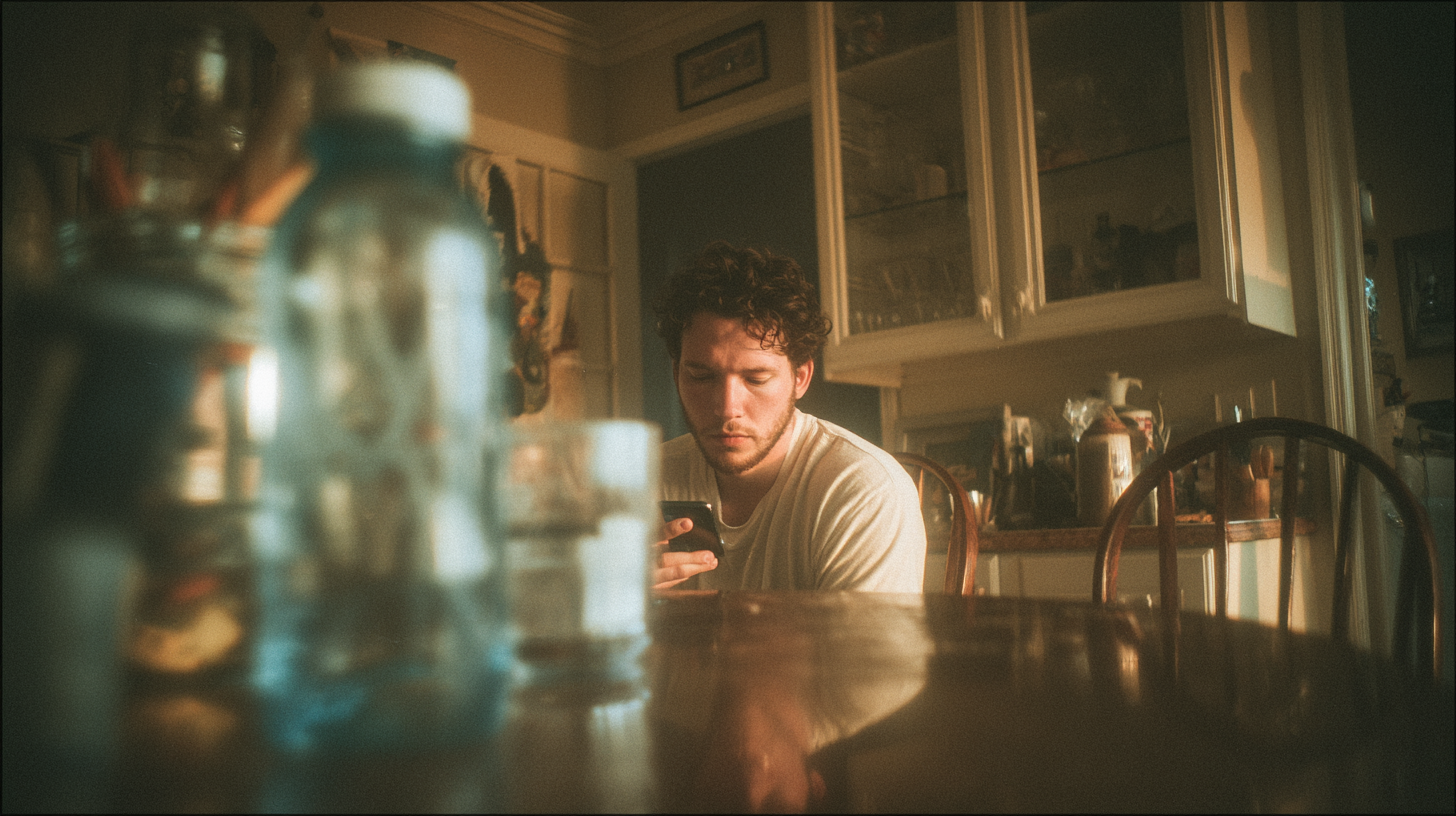
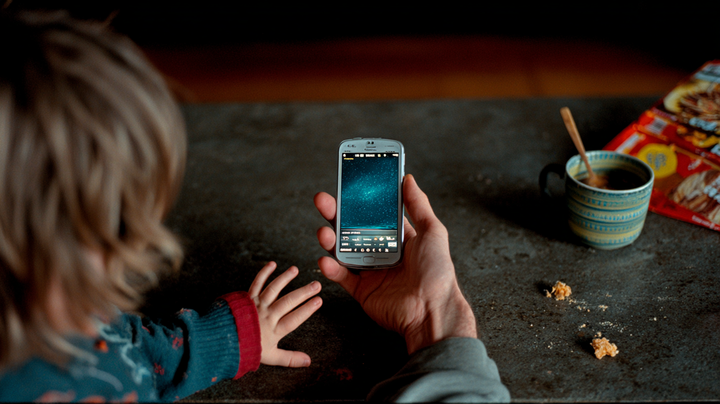
A cardboard box arrives at your door. Inside: a bottle of ketamine troches, a dosing schedule, and a leaflet directing you to download an app. Your first session is monitored by video. After that, you're alone.
You have treatment-resistant depression. You've tried four antidepressants. Your psychiatrist has a six-month waiting list. The clinic costs $600 a session, six sessions minimum, and your insurance won't touch it. This - the company told you - is access. This is the future of mental healthcare.
There is a term for what happens when a clinician withdraws support at the moment a patient is most vulnerable: therapeutic abandonment. In most clinical contexts, it is a disciplinary matter.
In the American telehealth ketamine industry - a market worth $3.9 billion in 2024 and projected to nearly double by 2033 - it is the business model. Companies like Mindbloom and Joyous have collectively facilitated hundreds of thousands of at-home dosing sessions, marketing the removal of clinical oversight as a feature. Access, it turns out, was always a euphemism.
The popularity of ketamine is not irrational. Standard antidepressants fail more than a third of patients. Ketamine operates differently - on glutamate rather than serotonin - and works fast, often within hours. For someone who has been grinding through failed SSRIs for years, that speed isn't a selling point. It's a lifeline.
The FDA's 2019 approval of esketamine (Spravato) gave the molecule clinical legitimacy. Then Covid arrived, DEA telemedicine waivers dissolved the requirement for an in-person visit, and venture capital noticed that the expensive, awkward part of ketamine therapy - the supervised clinic, the monitoring nurse, the two-hour post-dose observation window - could simply be removed.
What fills the gap is Reddit. Michael Alvear, a health researcher who achieved remission using clinically supervised esketamine, spent six months analysing the platform's two largest ketamine communities.
 Matt Hussey
He found patients comparing diametrically opposed dosing instructions from their providers and triaging each other's organ damage - a digital triage unit run by patients, not clinicians. FDA-approved Spravato has a strict ceiling of 84mg per session, administered with mandatory monitoring under a federal Risk Evaluation and Mitigation Strategy.
Telehealth prescriptions documented in those threads ranged from 50mg to 800mg - a 16-fold variance - with no clinician present after the first session. Nobody was watching.
In October 2025, Mindbloom - whose nearly 600,000 facilitated sessions make it the market leader - faced a wrongful death lawsuit after 27-year-old Phillip Ward died of ketamine toxicity. He had a documented history of hypertension, tachycardia, and substance use disorder. He had missed mandatory clinical appointments. Mindbloom kept sending the troches.
Matthew Perry, we should remember, died because he was using ketamine without a doctor present. Five people were convicted in connection with his death. These platforms have industrialised the conditions of that death and packaged them as a subscription.
 Matt Hussey
This is not only a story about one drug. I've been tracking the same logic across multiple sectors: the private equity firm that strips care home staffing to the bone; the coachfluencer who sells healing without a licence; the AI therapy app that replaces a clinician with a chatbot. The pattern is identical each time.
Capital finds care, identifies the expensive component - the trained, present, accountable human being - and removes it. Then it markets the absence as innovation. The word changes. The sleight of hand doesn't.
Alvear, the researcher who started all this, ultimately decided not to sign up with a telehealth ketamine service. He had the medical literacy to read the evidence and walk away.
Most people seeking treatment for treatment-resistant depression do not have that luxury. They see the price, the promise, and the word access - and they trust it. That trust is not naivety. It is what desperation looks like from the outside.