Hikikomori Goes Global: The Hidden Epidemic of People Who've Stopped Going Out
Once considered a uniquely Japanese condition, hikikomori - extreme social withdrawal - is quietly spreading worldwide. Here's what the data, and your own life, might be hiding.

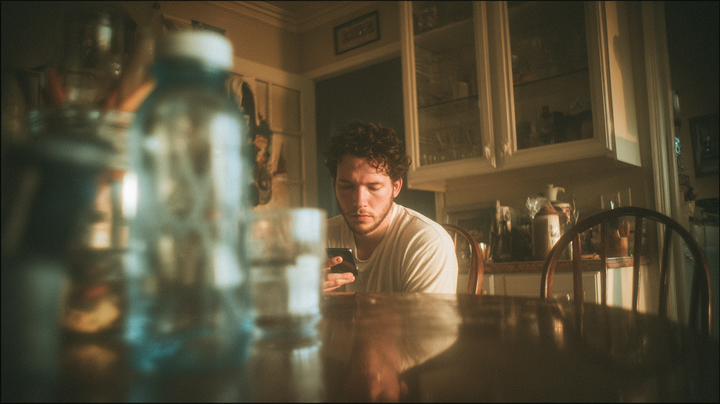
There is a person in your life - or there might be - who has quietly stopped showing up. They haven't announced it. There was no dramatic exit. They simply began appearing less, responding slower, until one day you realised you couldn't remember the last time you'd actually seen them. Not just seen their posts. Seen them.
This is how it usually begins. Not with a door slamming shut. With one closing, softly, and nobody noticing until it won't open anymore.
The Japanese have a word for this: hikikomori (引きこもり). Literally, "pulling inward." It refers to a state of severe, prolonged social withdrawal - typically defined as retreating from all social participation for six months or more, in ways that cause significant distress or impairment.
The term was first used in 1998 by Japanese psychiatrist Tamaki Saito, who coined it to describe a specific form of severe social withdrawal he had been observing with increasing frequency in Japan. Saito framed it as a kind of silent rebellion: individuals refusing the punishing terms of a society that felt, to them, unnavigable.
For decades, the Western psychiatric establishment largely treated hikikomori as a cultural curiosity - something that happened over there, in Japan's pressure-cooker school system, its rigid corporate hierarchies, its particular brand of shame-soaked conformity. A culture-bound syndrome. Sad, yes. But not our problem.
That assumption is now collapsing.
From Japan to Everywhere: How a "Culture-Bound" Syndrome Went Global

Initially viewed as a uniquely Japanese phenomenon, hikikomori is now recognised as an international phenomenon, with cases identified in Australia, Bangladesh, Brazil, Canada, China, France, India, Iran, Italy, Oman, South Korea, Spain, Taiwan, Thailand, Ukraine, and the USA.
The numbers are striking. A 2025 systematic review and meta-analysis drawing on 19 studies and over 58,000 participants identified a global hikikomori prevalence rate of 8%.
Critically, that prevalence rate did not differ significantly between East Asian and Western regions. The geography no longer holds. South Korea alone reports over 5% of youth showing signs of hikikomori-like isolation. Italy estimates around 100,000 young people living in social withdrawal, despite the country's famously strong family ties.
Researchers at the BJPsych International journal have called for urgent recognition of hikikomori by Western psychiatry, noting that case numbers are likely to have increased in line with related diagnoses - and that in a British adult sample studied over a decade ago, 63% showed signs of compulsive internet use, a recognised comorbidity.
 Matt Hussey
The question they are asking, quietly, is whether hikikomori numbers are unknowingly growing in the UK and across Europe - hidden in plain sight, miscategorised as depression or anxiety, or simply missed entirely.
Some researchers have begun calling hikikomori a "modern society-bound syndrome" rather than a culture-bound one - viewing social isolation as an increasingly unavoidable feature of post-COVID life, enabled by internet technologies that allow a person to live entirely from their own room.
The pandemic, in this reading, didn't create hikikomori. It made the infrastructure of withdrawal available to everyone.
What Withdrawal Actually Looks Like Now
Like with so many things I write about at the Brink: the digital age has changed how we understand and process things like this.
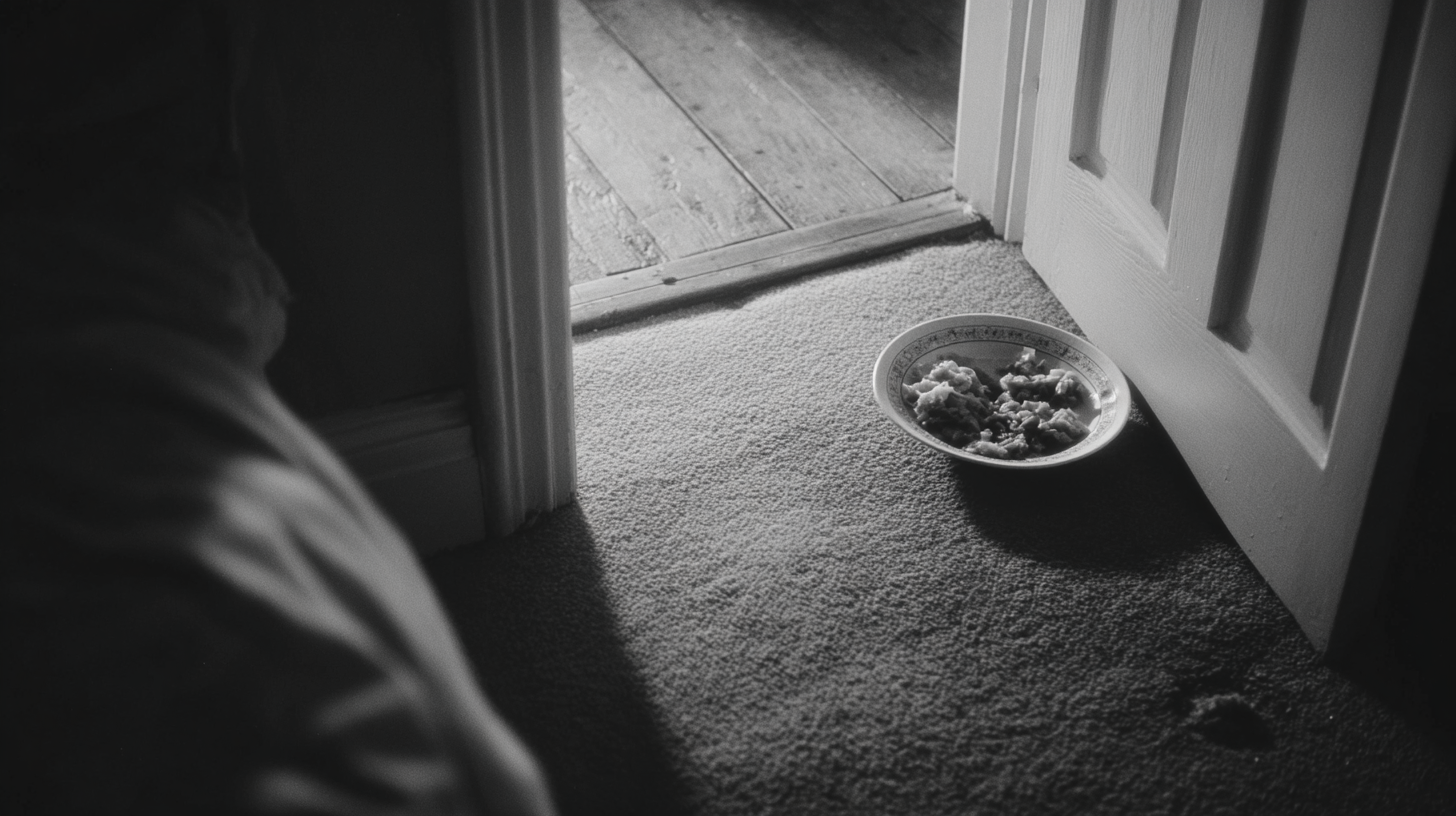
The image of hikikomori that took root in the nineties was of total, catastrophic isolation. Meals left outside a bedroom door. Curtains that never opened. Families tending to a presence they could no longer reach. That image still exists. But it no longer captures the full picture.
A major 2025 reconceptualisation study, drawing on expert panels and months of observation in online communities, found that the phenomenon is increasingly expressed through what researchers are calling "semi-withdrawal" - where young people do not completely retreat from social or academic life, but manifest profound fragility and vulnerability in those dimensions.
And then there is the digital layer - the part that makes modern hikikomori so difficult to identify, and so easy for families to miss.
 Matt Hussey
Unlike earlier cases where individuals avoided even the internet, many modern hikikomori are highly active online - on Reddit, gaming platforms, Discord servers, and social media. But these digital spaces often become substitutes for real-world interaction, not bridges back to it. They are present. They reply to messages. They have Discord servers where they are known, even liked. And yet they haven't left the house in four months.
Researchers call this digital withdrawal - a state in which the sensation of connection masks the reality of physical and social retreat. Post-pandemic working and living patterns have made the condition harder to identify and easier to hide.
Remote work, home delivery, and digital-first socialising have, paradoxically, built the infrastructure of withdrawal into everyday middle-class life. For someone tipping toward hikikomori, these systems don't just enable the retreat - they normalise it.
You might be reading this in a home you haven't left in three days. You ordered food to your door. You had a meaningful conversation on Slack. You're fine. Or are you?
The Meritocracy Problem: Why This Is Not Laziness
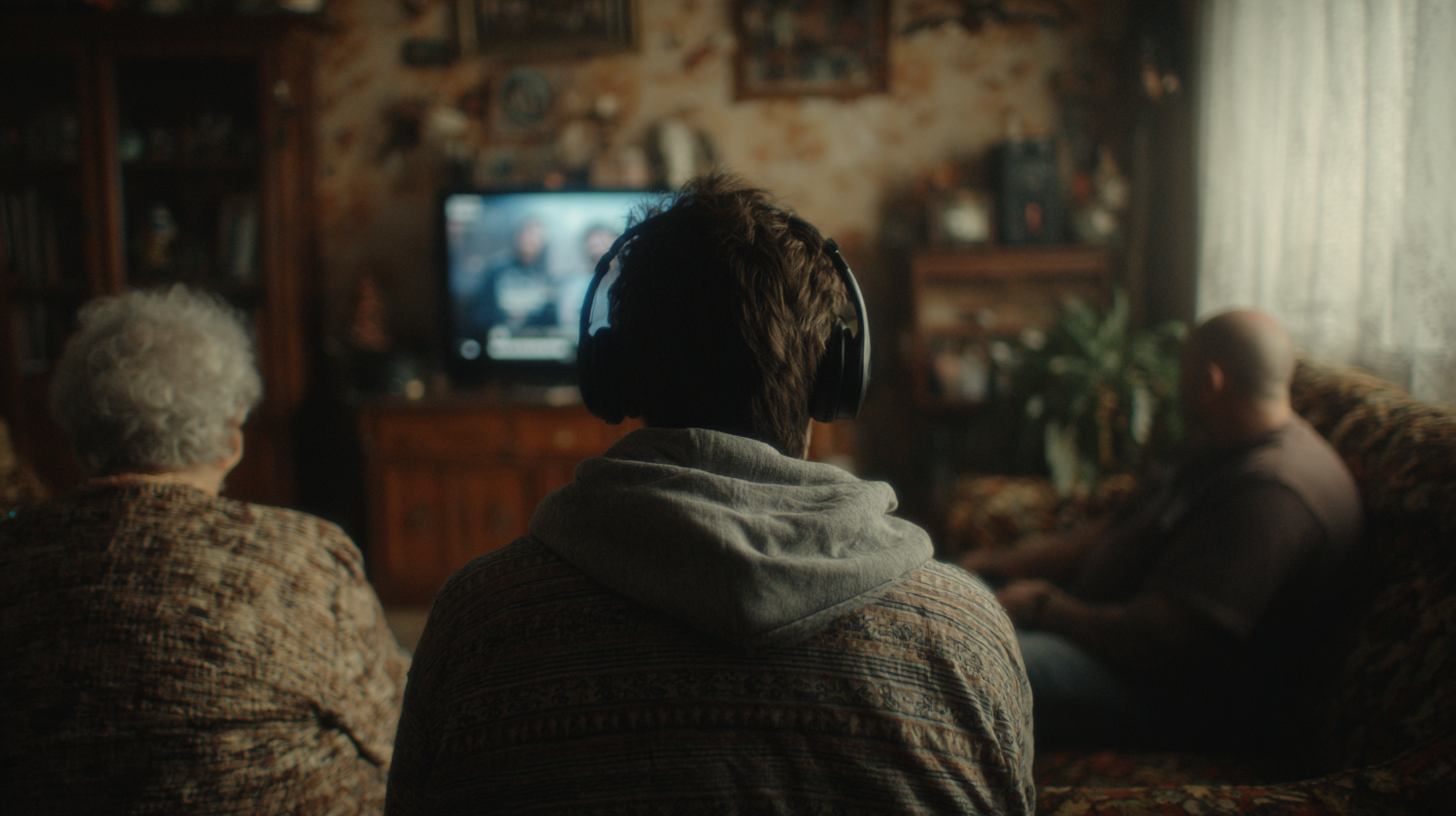
If there's one thing that matters clinically - one reframe that every therapist working with withdrawn young adults needs - it's this: hikikomori is not laziness. It is not weakness, entitlement, or failure of character.
Research has linked hikikomori to a deep sense of perceived burdensomeness and thwarted belongingness - the feeling that one is both a burden to others and fundamentally disconnected from any meaningful social bond. Individuals who view themselves as unable to meet societal expectations may, over time, prefer to disappear through self-isolation.
Researchers studying primary hikikomori - cases with no obvious underlying psychiatric disorder - have identified a characteristic psychological profile: a tendency to avoid competitive settings, an "ideal image" built from the expectations of others, and an inability to make a fresh start from a current situation that has fallen short of that ideal.
 Matt Hussey
This is the meritocracy trap made visible. When a society tells you that your worth is entirely contingent on your performance - academically, professionally, relationally - and you come to believe that you have already failed that test, withdrawal can begin to feel like the only rational response. Not self-destruction, but self-protection. The world outside is demanding and unforgiving. Inside, there is at least safety.
In highly meritocratic societies like Singapore, intense academic competition and performance-driven environments can create emotional exhaustion and disengagement that serve as a gateway to withdrawal behaviours. The research suggests that academic stress, failure, and peer rejection may act as proximal triggers.
The same dynamic plays out in the UK's NEET statistics, in the anxiety epidemic among young people in France, in the growing numbers of American adults who identify as "socially exhausted" or "quietly quitting" life itself - not just work. Different names, different diagnostic categories, but the same underlying architecture: a world that has made belonging conditional, and whose conditions keep shifting.
The 8050 Problem: What Happens When Nobody Comes
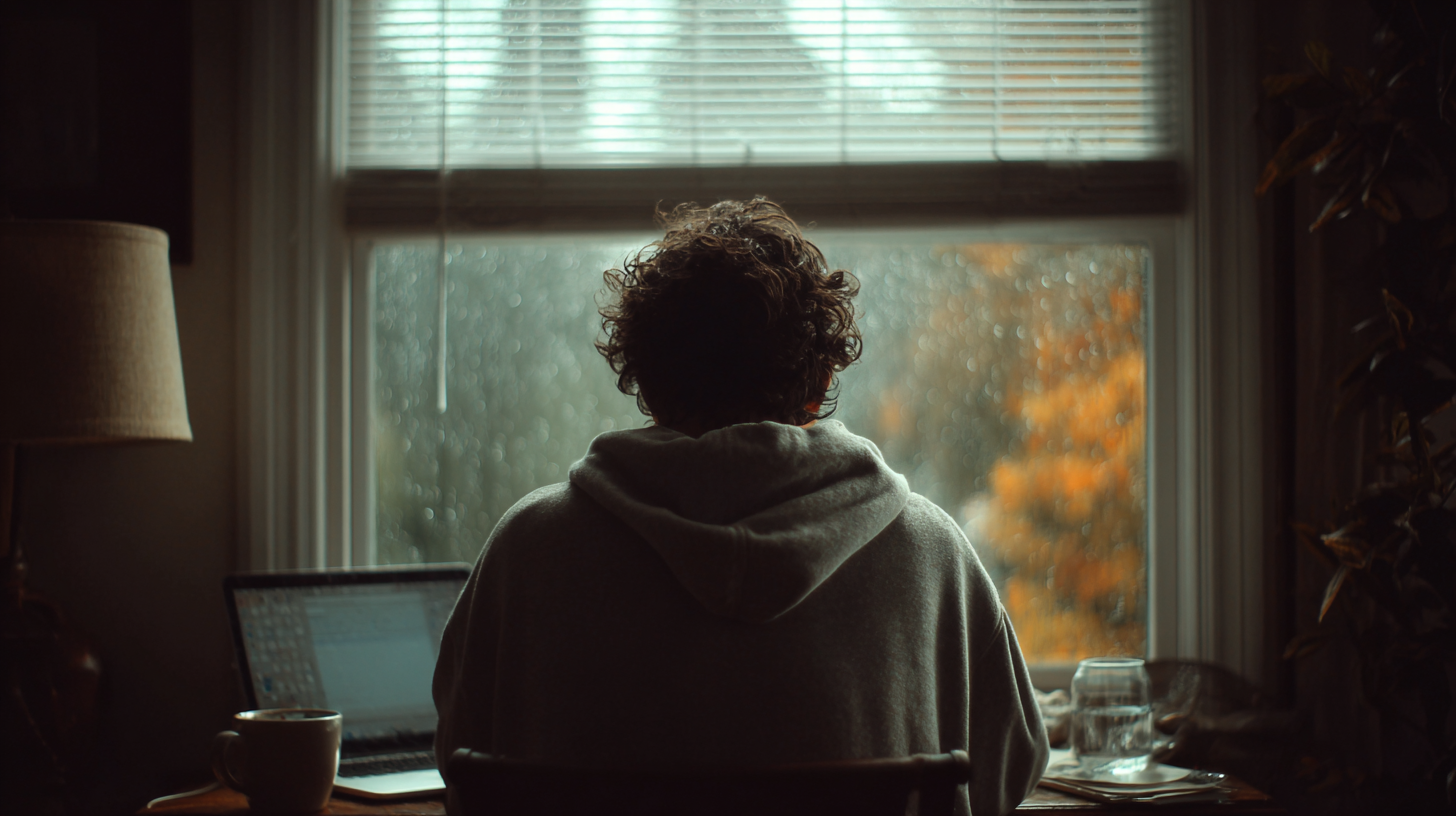
In Japan, they have had decades to see where this leads, and the view from there is sobering.
A 2019 Japanese Cabinet Office survey estimated over 613,000 hikikomori individuals in the 40-64 age group alone - a figure that, combined with younger estimates, suggested over one million people in Japan living in withdrawal.
Many had been this way since the economic collapse of the 1990s. They entered adulthood during a hiring freeze that never fully lifted, were told the escalator of life - school, work, marriage, home - was broken, and simply never got back on.
This has produced what is now called the "8050 problem" - where parents in their eighties are the sole carers and financial support for socially withdrawn children in their fifties. In some cases documented by NHK, a parent dies and the hikikomori individual, with no capacity to navigate the outside world, does nothing - unable to organise a funeral, unable to call for help.
 Matt Hussey
Attempts to reintegrate hikikomori individuals through work programmes have often misfired badly, with part-time placements under harsh conditions exposing highly vulnerable individuals to bullying and harassment, driving them deeper into withdrawal.
The 8050 problem is not a Japanese problem. It is a preview. As the infrastructure of remote living embeds itself further into Western societies, and as the social costs of not performing according to a meritocratic script continue to accumulate, the conditions for this kind of multi-decade withdrawal are being quietly assembled everywhere.
What Psychiatry Doesn't Yet Know How to Do
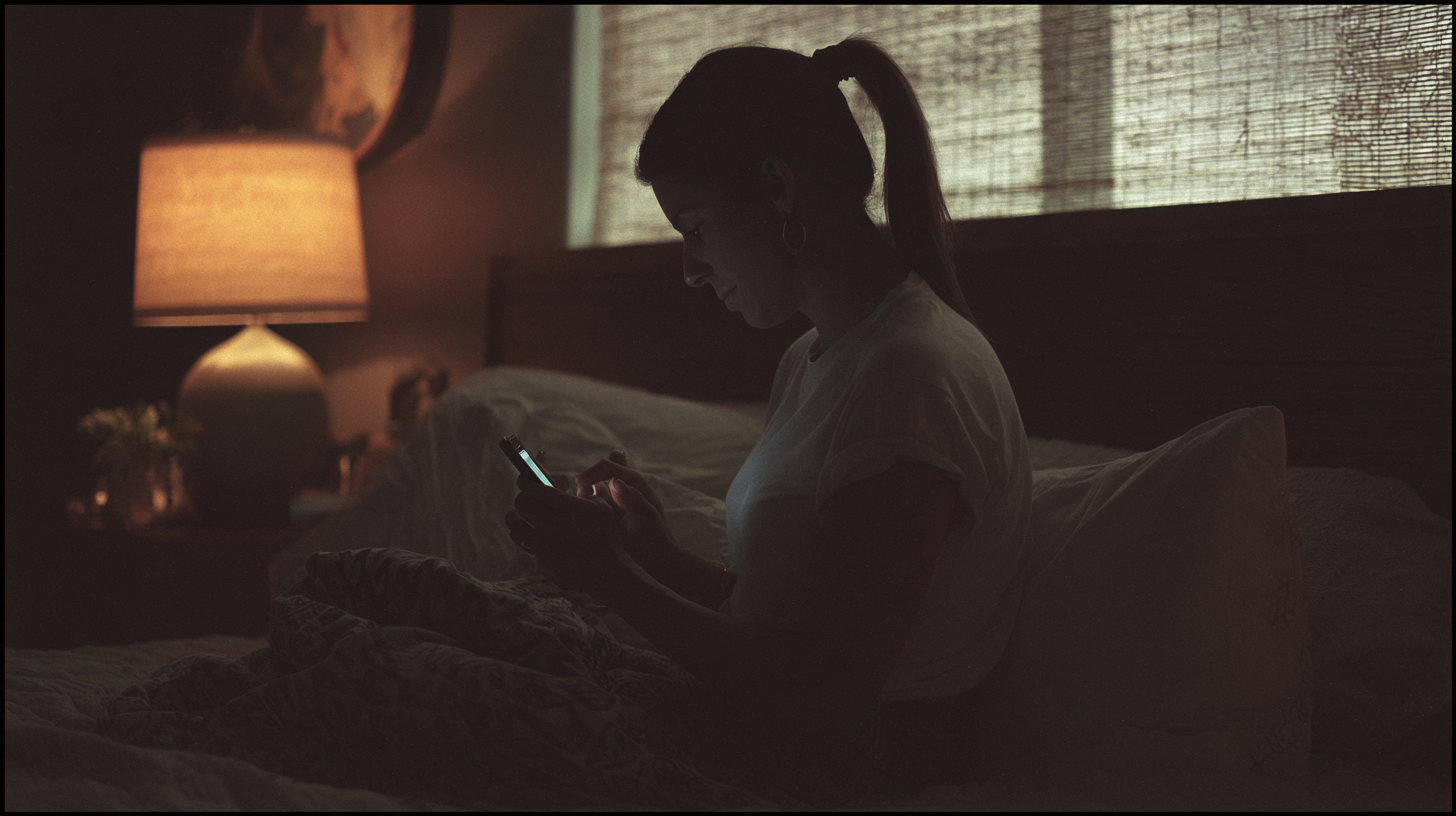
Hikikomori is not officially classified as a psychiatric disorder. Sage It is, in the DSM-5-TR, acknowledged as a "cultural concept of distress." It is not a diagnosis. It cannot be coded. It does not, by itself, trigger a clinical intervention.
This matters because it means that when a young person in Manchester or Milan or Minneapolis stops going out, stops returning calls, and starts organising their entire life around their bedroom and their screen - there is no clinical pathway that names what is happening to them.
A therapist might diagnose depression, or social anxiety disorder, or ADHD. They might miss the withdrawal entirely, especially if the person presents as functional online. The family might be told: give them time.
 Matt Hussey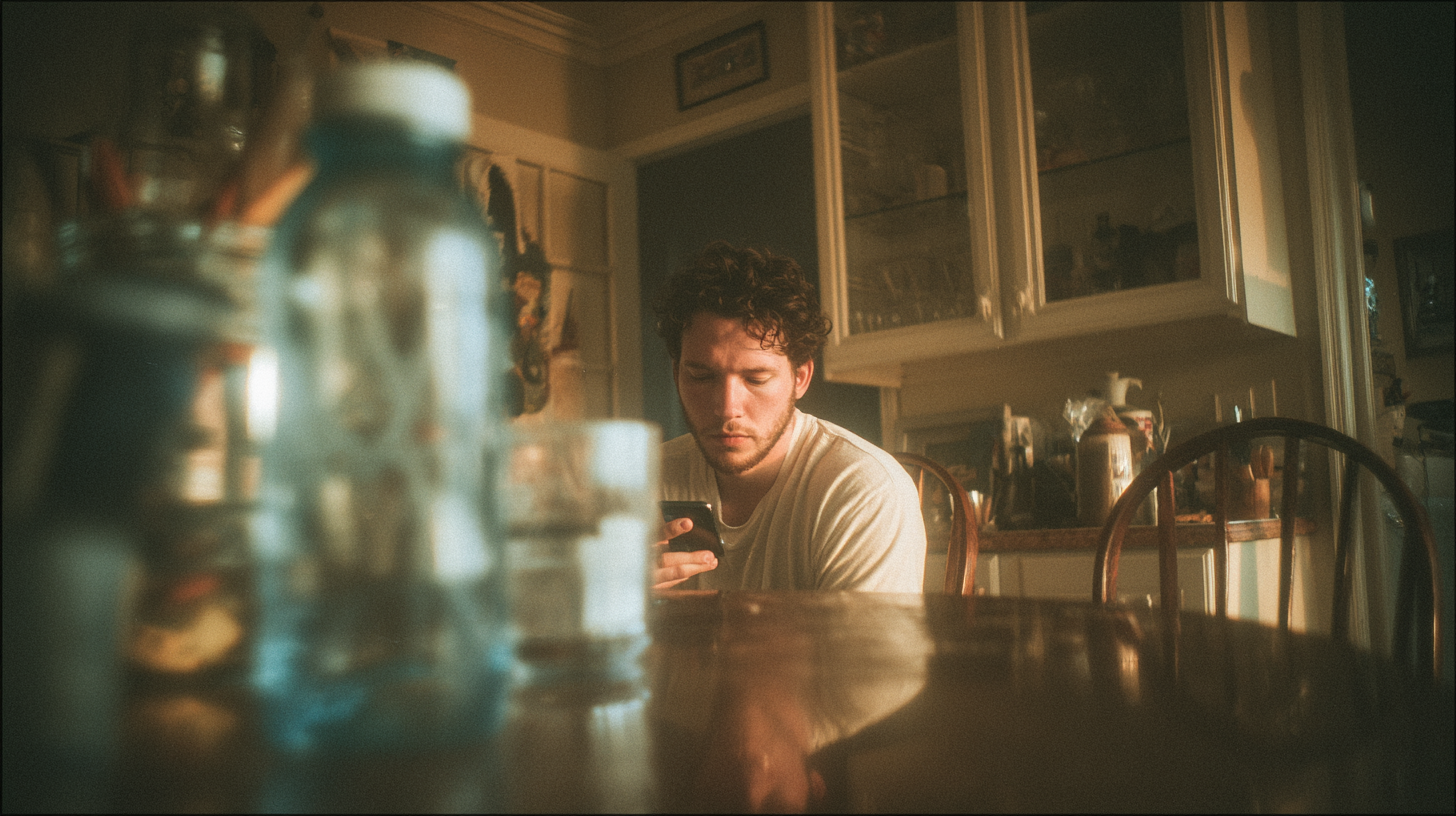
The problem is that research into hikikomori remains limited in the UK, and the term itself is not widely recognised among Western psychiatrists. Even where social withdrawal is recognised as a cardinal presentation of distress, it may not be identified as the primary feature in Western clinical settings.
This is the diagnostic gap that is allowing a generation's quiet disappearance to go uncounted.
A 2025 study specifically examining the relationship between hikikomori and social media found that pathological hikikomori used significantly more social media platforms than non-pathological cases - and that as withdrawal progressed to its fullest stage, platform use actually began to decrease, suggesting a deepening retreat even from digital connection. By the time someone has been withdrawn for a year or more, they may not even be posting anymore. They are simply gone.
The Therapist's Question: Who Is Actually Broken Here?

There is a question that sits at the heart of this story - the one that any good therapist eventually reaches, and that any good journalist has to ask.
Is this a disorder of individuals? Or is this a symptom of a world that has become genuinely unliveable for a significant proportion of its inhabitants?
Researchers studying hikikomori tendencies have argued that rather than viewing problematic internet use as a driver of isolation, it might be more accurate to understand it as a symptom of something deeper and more pervasive - with social cynicism, distrust, and scepticism toward societal structures serving as the underlying current that makes withdrawal feel rational.
 Matt Hussey
When you have been told your whole life that you can succeed if you try hard enough, and you have tried, and the structure of the economy, the housing market, the labour market, and the social landscape has returned something that does not look like success - what do you do?
Some people keep trying. Some people rage against it. And some people close the door. Not because they are broken. Because the door was the only option they could see.
The Signs We Are Missing
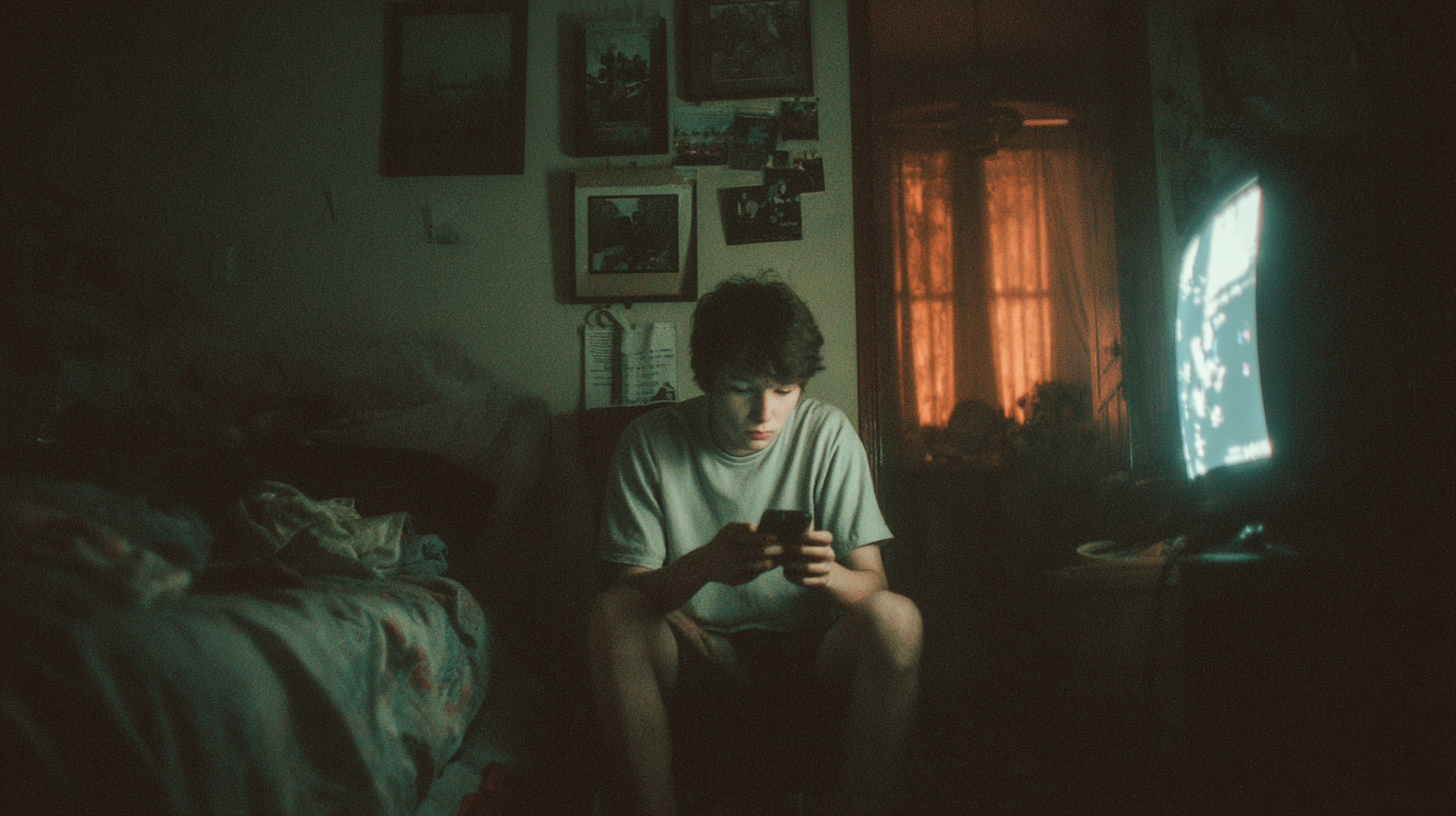
The cruelest feature of modern hikikomori is its invisibility. Because someone is posting. Because they are on Discord. Because they replied to your message last week, and they seemed fine.
The withdrawal that psychiatry is now struggling to name and treat doesn't announce itself. It looks like busyness, like introversion, like burnout, like someone who just needs a bit more time. It looks like someone you know.
 Matt Hussey
If you have a person in your life who has gradually become harder to see in person - who seems more comfortable in text than in presence, whose social world has contracted to a screen - this piece is not a diagnosis. But it might be an invitation to knock.
Not loudly. Not with expectation. Just to let them know the door is still going both ways.
Matt Hussey is a therapist and journalist and the founder of The Brink, a publication investigating how technology is reshaping our inner lives.