Parental Phubbing: The long-lasting impact of parents addicted to smartphones
Parental phubbing - snubbing your child for your phone - is now a clinically confirmed attachment risk. What the research says, and why no one is talking about it.
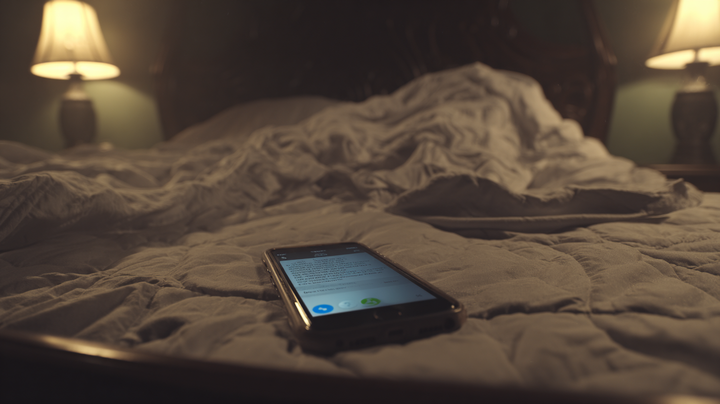
She's seven months old and she wants your face. Not your hands, not your voice from across the room - your face, looking back at hers, in the particular way that tells her the world is safe and she is seen. For a few seconds, she gets it. Then your phone lights up. You glance down.
When you look back up, something has already shifted in her. Her smile falters. She tries again - a sound, a reach, a bid for re-entry into the connection she felt a moment ago. You're still half-reading the notification. She doesn't have the words for what just happened. She doesn't need them. Her nervous system already knows.
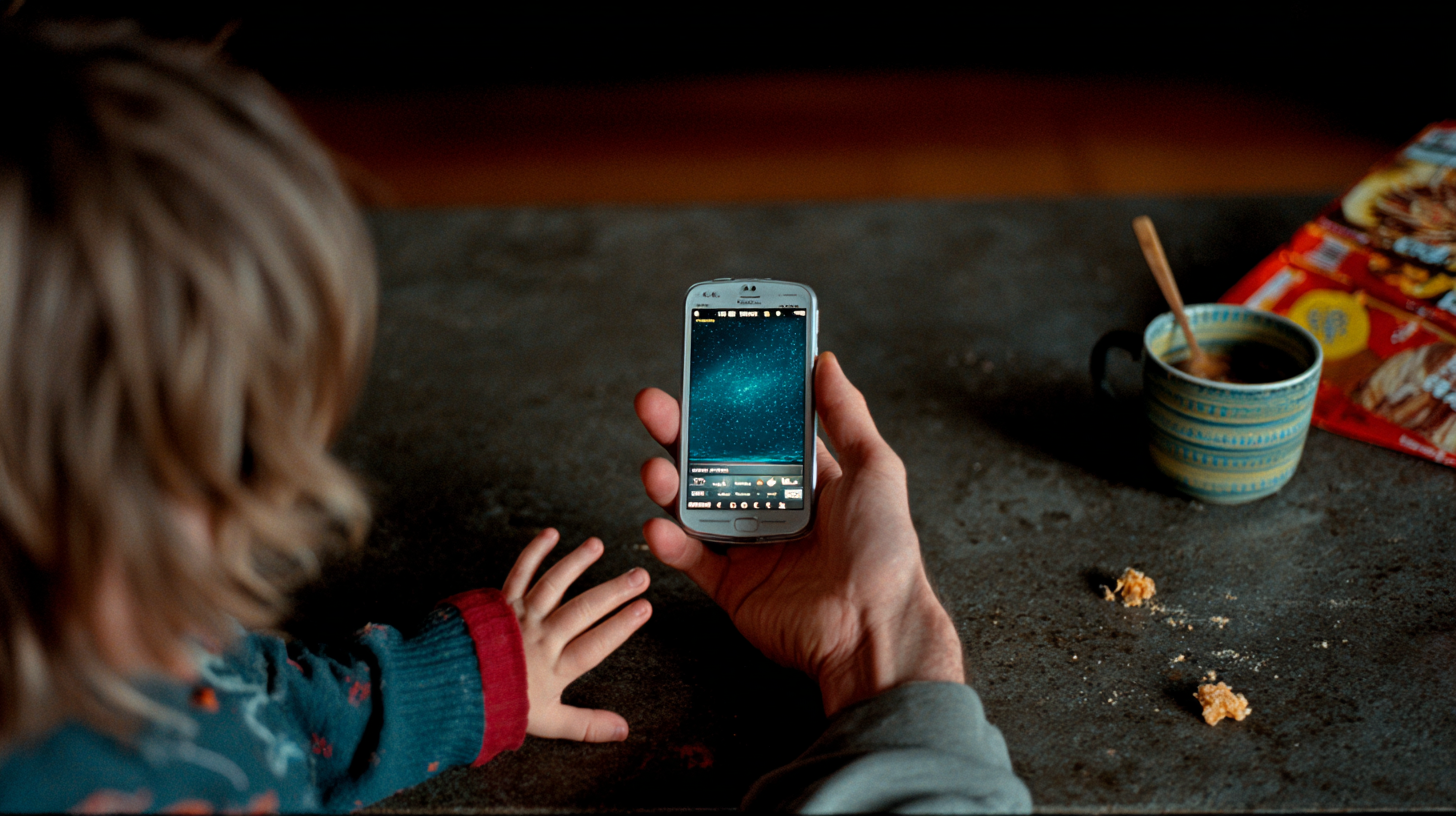
This is parental phubbing - the act of snubbing your child in favour of a screen - and it is no longer simply a parenting etiquette concern. It is now an evidence-based attachment disruption mechanism, confirmed across meta-analyses involving tens of thousands of children, with measurable downstream effects on emotional regulation, self-concept, anxiety, and the capacity to form secure relationships. The phone didn't just interrupt dinner. It interrupted development.

Researchers have long used the Still Face Experiment - in which a caregiver is instructed to go suddenly blank and unresponsive - to study what happens when attunement breaks down. Infants protest, withdraw, turn inward. Their heart rates rise. Their stress responses activate.
What a 2022 British Journal of Developmental Psychology study found is that parental smartphone use produces responses in infants that are clinically indistinguishable from the still-face condition. The phone, in other words, turns a parent's face into a mask - and the baby responds accordingly, as if abandoned.
The scale of this is now unavoidable. A 2025 meta-analysis in the Journal of Medical Internet Research synthesised 53 studies across 60,555 participants and confirmed a consistent, significant association between parental phubbing and children's internalising problems - anxiety, depression, emotional withdrawal.
A companion meta-analysis of 42 studies across 56,275 children found phubbing positively correlated with both internalising and externalising problems, and negatively correlated with children's self-concept and social-emotional competence.
 Matt Hussey
A January 2026 study of preschoolers mapped the precise mechanism: parental phubbing disrupts attachment security, which erodes self-control, which drives the child toward screens of their own. The behaviour transmits intergenerationally - not through genetics, but through a glance downward.
What makes this story clinically important - and almost entirely absent from professional guidance - is its ordinariness. This isn't neglect in any recognised legal or clinical sense. It is the texture of modern parenting: the notification during bath time, the scroll during the school run, the half-presence that has become so normalised it doesn't register as harm.
 Matt Hussey
Steve Jobs famously told a reporter his children hadn't used the iPad - "we limit how much technology our kids use at home." The people building the attention economy understood its costs better than the rest of us were allowed to. Neither the APA, NICE, nor BACP has issued clinical guidance on parental phubbing as an attachment risk factor. It doesn't appear in parenting assessments. It doesn't feature in health visitor training. The research is years ahead of the response.
We have built an entire framework for identifying when a parent is not present enough - and almost no language for what happens when a parent is physically present but psychologically elsewhere, their face turned toward a device that is always, by design, more immediately rewarding than a seven-month-old who cannot yet speak.