
Wellness is now a $6.8 trillion industry - bigger than pharma, IT or sport. This is the story of how the oldest con in the world found the perfect distribution system, why we keep falling for it.
It started, as so many of these things do, with my thumb.
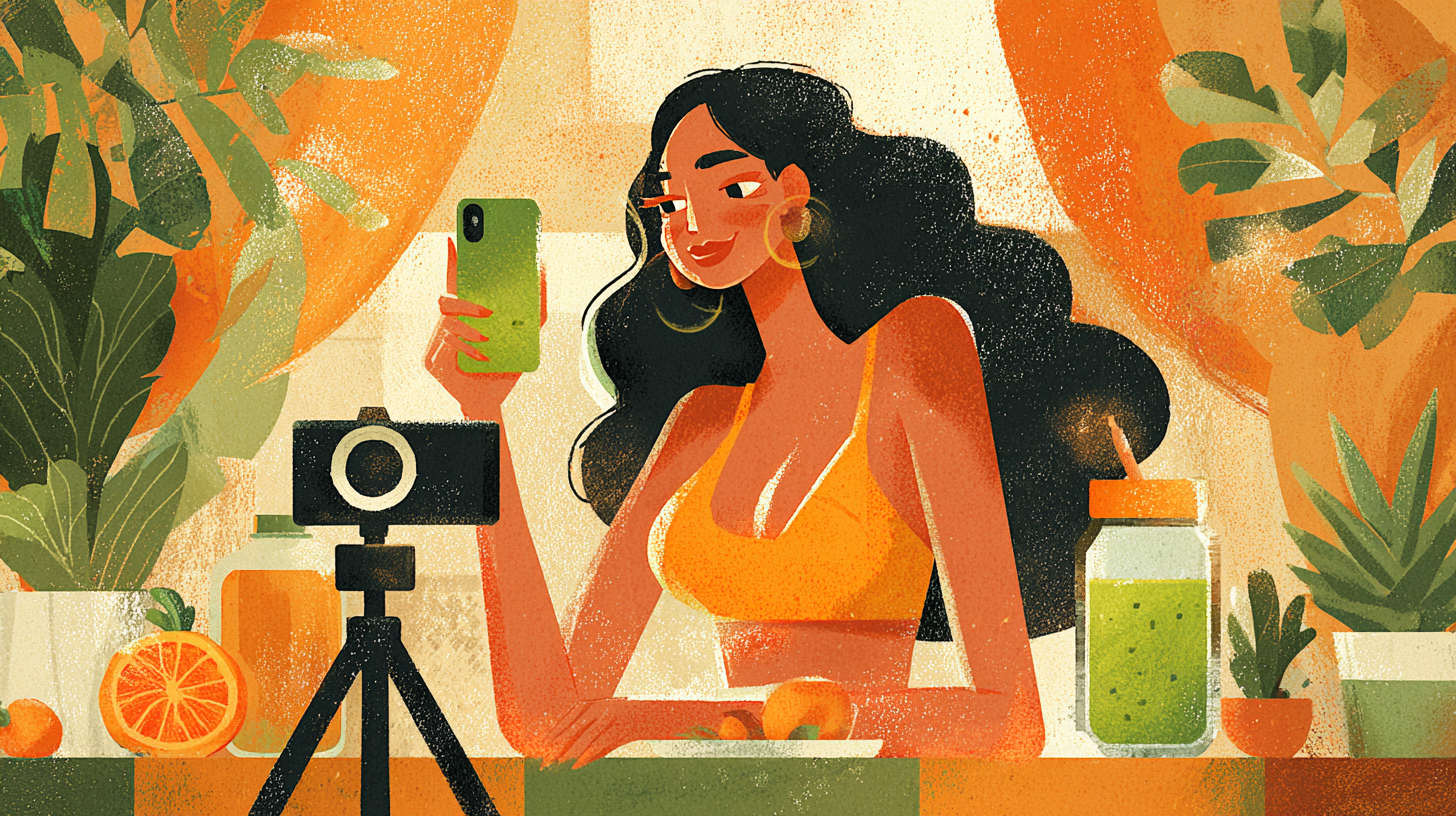
I was lying in bed, doing the thing I tell my clients not to do (doomscrolling! Get your minds out of the gutter), when the algorithm decided I needed to point my arse at the sun.
A woman, serene, cross-legged, explained that thirty seconds of morning light on the perineum was the equivalent of a full day of sunlight with your clothes on. She'd given up coffee for it. Below her, a profile called Ra of Earth had filmed three friends face-down in a meadow, basking.
I kept scrolling, thinking it was just one of those weird algorithm burps that serves you random stuff to see if you're interested. Then I stumbled upon a man who'd decided that salad was a psyop and now ate only beef, salt and water. Then there was the woman selling raw, unfiltered water at boutique prices; the guy taping his mouth shut at night to "optimise" breathing, and on it went.
I'm a journalist, so my first instinct was that this was a glitch. A bad week for the recommendation engine. I'm also a therapist, so my second instinct was quieter and took longer to arrive: these aren't jokes to the people doing them. These are solutions. Which means somewhere, there's a problem.
 Matt Hussey
It turns out there was no glitch. What I was watching was a $6.8 trillion industry doing precisely what it is built to do. The global wellness economy is now almost four times the size of the entire pharmaceutical industry - the same Big Pharma it wants to convince you controls everything. It is larger than IT, larger than sport, larger than tourism. And it is almost entirely unregulated.
I've started to see it in my practice, too. Clients complaining that their "four-week nervous-system reset" hadn't, well, seemed to reset anything. The ones who'd spent a month's rent on a protocol and felt worse, and ashamed, and somehow more broken than when they'd started. Much of wellness, while well intentioned and can make us feel better as become a bit of a parody of itself. Something to point out incredulously, but also, for some people, a hill to die on.
This is the first piece in a series I'm calling Griftonomics - an attempt to map how the wellness industry became the most sophisticated machine for selling nonsense ever built, and what that machine is doing to us. Because the con itself is ancient. What's new is the infrastructure. And what's newest - the part nobody quite has their head around yet - is that the con has stopped knocking at the door. It's moved into your house, and it's telling you what to eat, when to go to sleep, and perhaps most disturbingly of all, who to vote for.
The anatomy of a wellness scam: an old con with new reach
Strip the fairy lights and the half-arsed shamanic mantras away and every wellness grift runs on the same engine. It needs four things:
- a real need you can't get met through official channels
- a plausible person who claims they've found the thing
- a healthy mistrust of whatever the experts told you
- and the sheer nerve to keep selling until the game is up.
Now, if you think that's new. It's isn't, what I've described above was how someone talked about a medicine-show wagon in 1890. The snake-oil salesman had exactly this kit. What he didn't have was reach. He could con one town a night, and then he had to leave before the marks compared notes. The whole con was throttled by the speed of a horse.
The modern version has no such limit. The algorithm con help a con convince a million people to buy something before breakfast, and there is no sheriff riding in at dawn, because the wagon is now a limited company with a returns policy and a disclaimer that says this is not medical advice in letters too small to read. The con didn't get cleverer. It got distribution.
Now before you pick up your pitchforks and tell me I'm wrong, I want to unpack a bit more of what I'm talking about. Wellness doesn't sell you a cure. It sells you a plausible cure - and those are very different products. A cure has to work. A plausible cure only has to be impossible to disprove before your card clears.
 Matt Hussey
I've started thinking of this as the plausibility economy: a market that pays out not for being right, but for being unfalsifiable and emotionally resonant. You can't prove the perineum sunning didn't give her energy. You can't prove the supplement didn't help. By the time the effect fails to materialise, the transaction is long over and the failure is, conveniently, your fault - you didn't commit, didn't believe, didn't buy the next tier.
It's a market so loosely tracked that nobody can even agree how big it is. Credible estimates for the global supplements market alone in 2024 range from around $92 billion to over $200 billion depending which firm you ask. This is a problem. For an industry promising to measure, optimise and quantify your every biomarker cannot reliably measure itself.
So how is any of this legal? The short answer is: because there aren't many rules to to break in the first place.
Why wellness supplements aren't regulated
We tend to imagine grifters as people who slip past the rules. In wellness, it's the opposite. The absence of rules isn't a loophole the industry exploits. It's the foundation the whole thing is poured on.
Look at the United States, because the US is the bellwether here - whatever happens there reaches the rest of us in eighteen months. Under the Dietary Supplement Health and Education Act of 1994, the FDA is not permitted to approve a supplement for safety or effectiveness before it goes on sale. The manufacturer self-certifies.
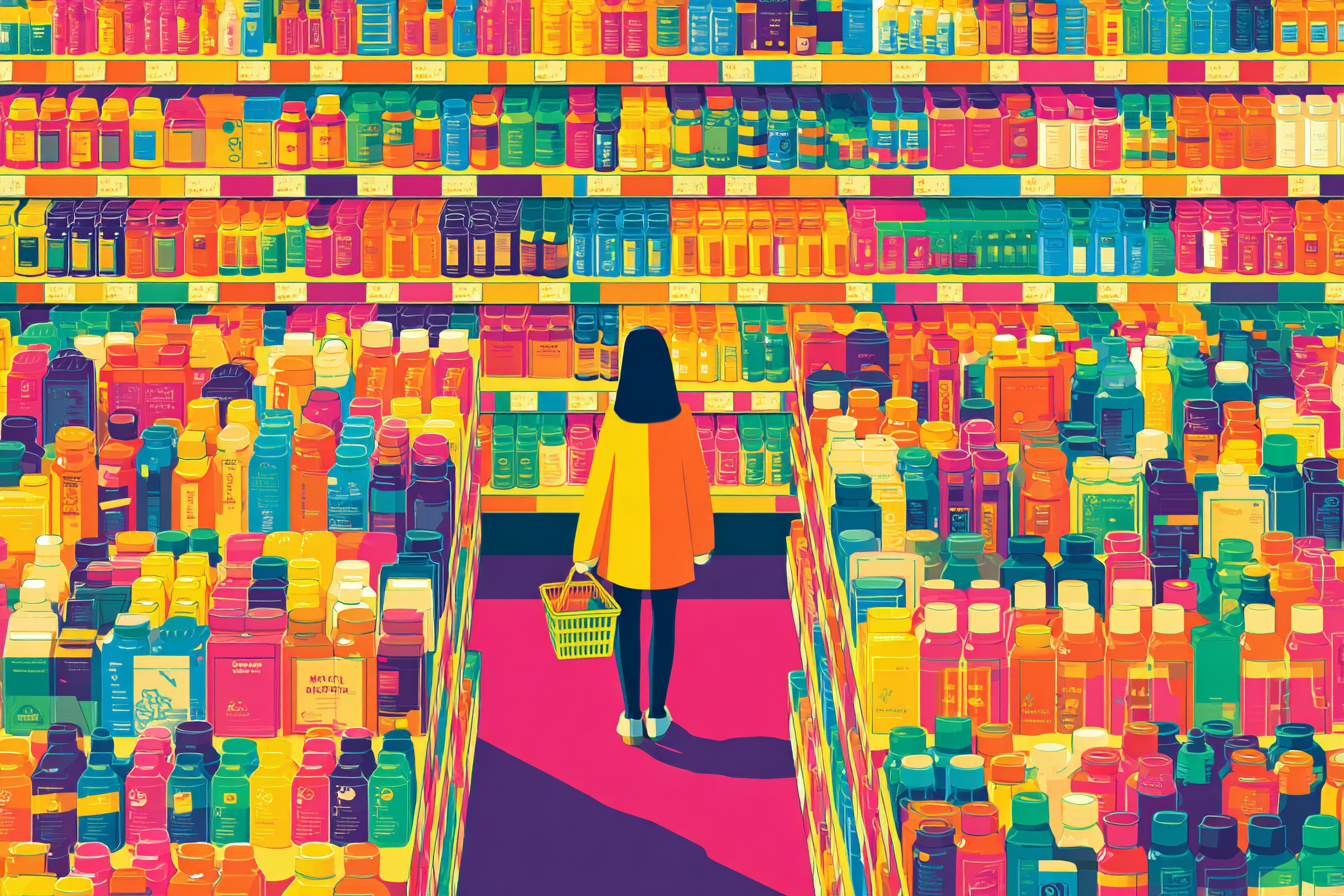
In many cases a company can put a product on the shelf without telling the agency it exists at all. The result is exactly what you'd predict: the number of supplement products on the US market has grown from around 4,000 in 1994 to more than 80,000 today. A medicine and a supplement can contain the very same molecule. One needs a decade of trials. The other needs a label and someone with a ring light.
 Matt Hussey
And it isn't just the pills. It's the practitioners. Here in the UK, the words themselves are unguarded. "Nutritionist" is not a protected title. Neither is "wellness coach." Neither, astonishingly, is "psychotherapist" or "counsellor." Only the psychologist titles are legally protected by the Health and Care Professions Council.
It took me years of training, supervision and assessment to be allowed to sit in a room and say less than a stranger with a phone can say to their followers. They can still call themselves trauma practitioner, they can sell you a healing container, a crystal, a retreat, the promise of eternal life and no one, legally, can stop them.
 Matt Hussey
This is the engineered gap the entire industry lives inside: the space between not a drug - so no proof is required - and feels like medicine - so people will pay. That gap isn't a flaw in the market. That gap is the market. Wellness didn't find the loophole. Wellness is the loophole, scaled to the size of the world.
Which raises the obvious question: if the cons are this transparent - pointing your literal arsehole at the sun - why do sceptical, intelligent, exhausted people keep walking straight into them? Why did I, for a second, wonder if I should be taping my mouth shut (don't answer that)?
Why people fall for wellness influencers
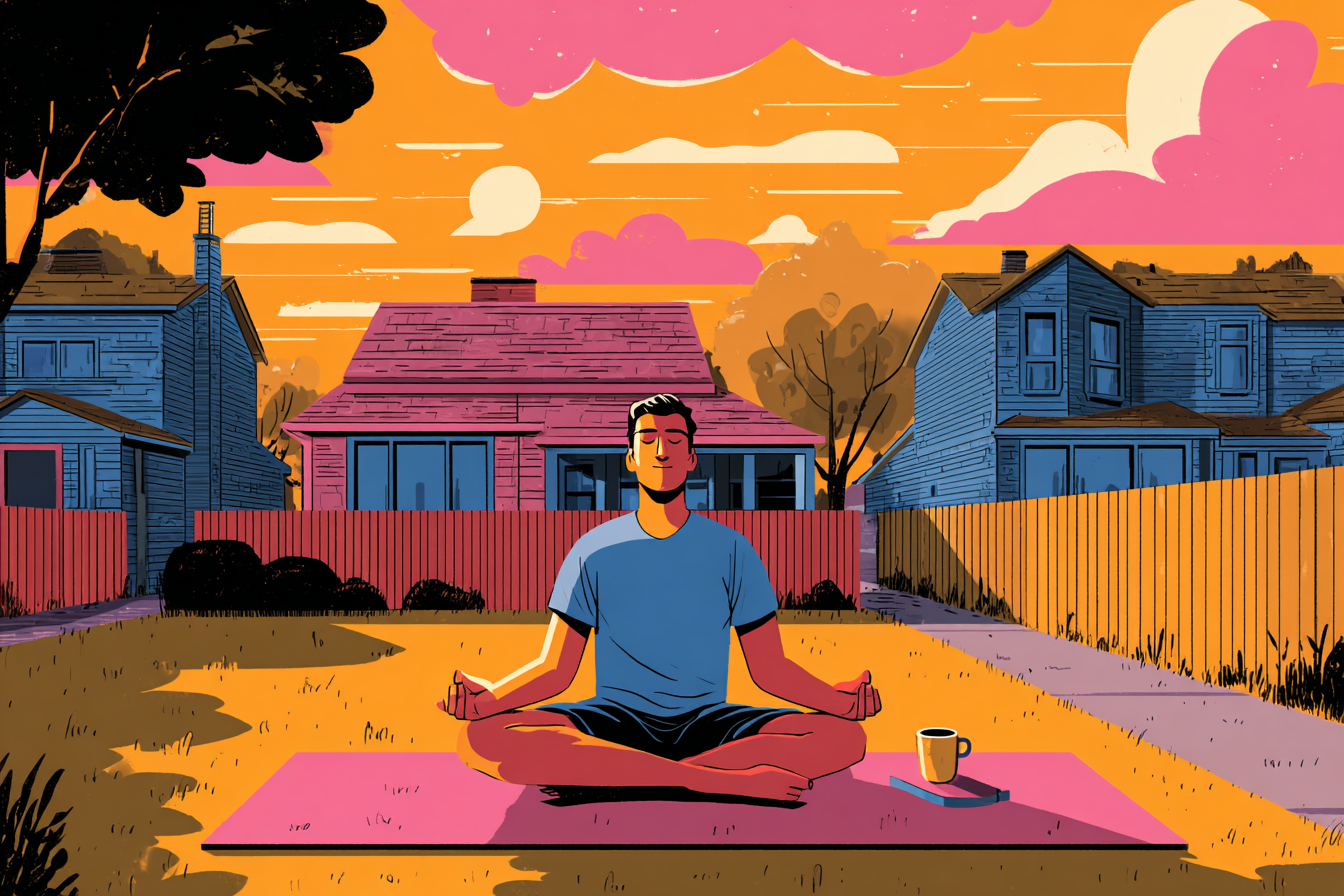
The simplest answer is: because the con is parasitic on a real wound. And the wound is real.
Let's start with trust, because trust is the soil the whole thing grows in. In 2024, Gallup found that just 9% of Americans had high confidence in Congress, 12% in television news, and 36% in the medical system.
Harvard's researchers make the crucial correction: this isn't really a crisis of trust in science. It's a collapse of trust in institutions generally - and the US is simply furthest down a road the UK and other places are travelling too.
When the institutions that are supposed to hold you have spent a decade losing your confidence, the door swings open for anyone willing to walk through it. Now, before I go on, it's important to state that there are plenty of examples when institutions have harmed people. People's lack of trust has come from somewhere. But it has been exploited.
The wellness influencer walks through it with the same line, every time. The experts lied to you. You can't trust them. Trust me instead. It's seductive partly because it flatters - do your own research, become your own authority, see what they don't want you to see - and partly because, often enough to sting, the experts did get it wrong.
 Matt Hussey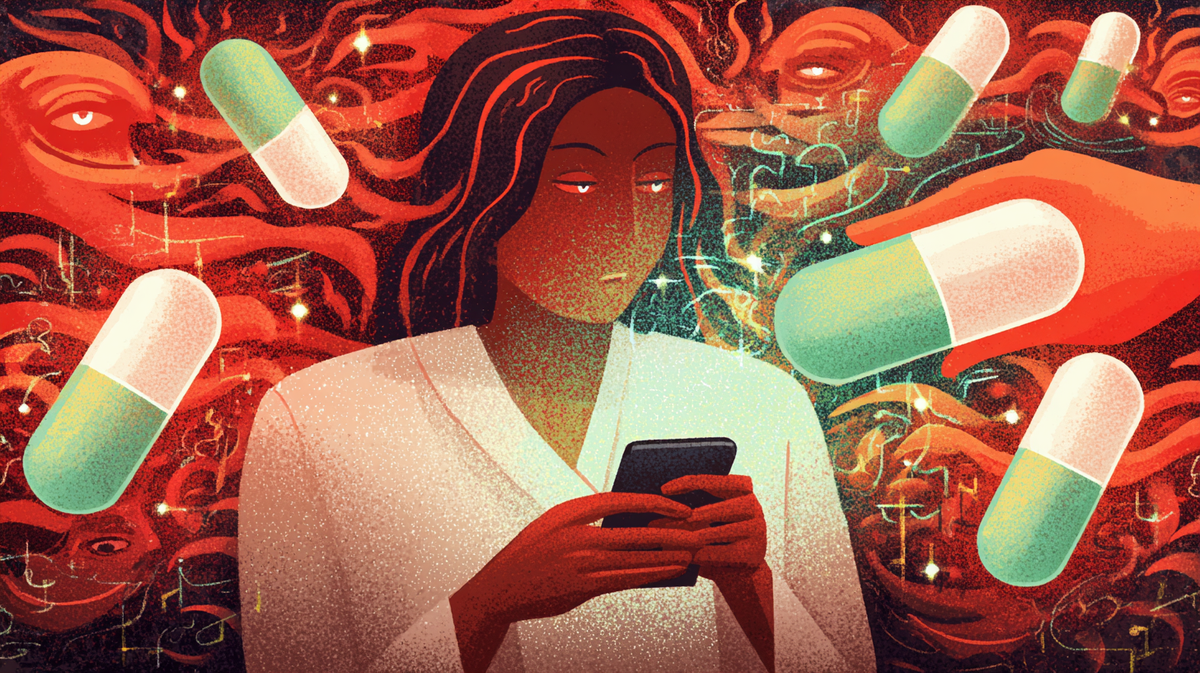
But here's what I see from the other chair, the part the debunkers tend to miss because they've never had to sit with the aftermath. People don't fall for this because they're stupid. They fall for it because they are in pain, and the proper system made them wait four months, or made them feel like a number, or sent them home with a leaflet.
The grifter offers the two things a stretched GP appointment and an eighteen-week waiting list cannot: immediacy, and the feeling of being seen. I have watched relief break across someone's face when a stranger online finally gave their suffering a name - even a made-up one. And I understand it completely, because naming is half of what I do. The difference is that I'm trained in what comes after the naming, and the grifter sells the naming and skips the rest.
That's the tension this whole essay lives in, and I'm not going to pretend my way out of it. As a journalist, I distrust the seduction entirely. As a therapist, I understand every part of why it works. The wellness con and the broken system it claims to oppose aren't enemies. They're collaborators. One creates the wound; the other sells the dressing.
And once you understand why we buy, the people doing the selling stop looking like a freak show. They start looking like the logical endpoint of a system that lets you down, and a legal environment not that bothered about reigning any of this in.
From Belle Gibson to Goop to Bartlett: how the grift goes mainstream
What happens in an environment like the above is: wellness grifters can often outrun their bad press, and launder itself into respectability. Let's look at an example.
In Australia, Belle Gibson built a wellness empire - a bestselling app, a cookbook, a global following - on the claim that she had cured her own terminal brain cancer through clean eating.
She had never had cancer. She was fined AUD $410,000 and donated a fraction of the money she'd promised to charity. Her story was dramatised by Netflix in 2025, which is its own grim joke: the con becomes the content becomes the next product. Today she continues to flaunt her lifestyle, while refusing to pay fines. The world has largely moved on.
But what's most instructive here is why she worked. Academics studying her case found she rose in a climate of low institutional trust, where her lived experience was valued over institutional expertise. She didn't beat the experts. She simply offered to be one, for free, in a way doctors can't.
In the US, Gwyneth Paltrow's Goop sold jade and rose-quartz eggs that women were told to insert to balance their hormones and regulate their cycles, alongside a flower essence pitched as a defence against depression.
 Matt Hussey
California prosecutors settled with the company for $145,000. One of them put it more plainly: people have been selling snake oil for a long time, he said, and this is just another kind. The fine, for a company valued in the hundreds of millions, isn't a deterrent. It's a line item. A cost of doing business, filed under marketing. As for Goop? Still going.
In the UK, Steven Bartlett - Dragon's Den investor, host of the most-streamed podcast in the country - has built a parallel wellness portfolio. The BBC, reviewing the health episodes of his show, found a substantial run of potentially harmful claims going largely unchallenged.
The Advertising Standards Authority banned his ads for the health brands Zoe and Huel because he hadn't disclosed that he was an investor in one and a director of the other - the testimonials read as independent, and weren't. Has that stopped Stephen? Nope. If anything he's become wealthier as a result.
Each of these examples looks more legitimate than the last while doing fundamentally the same thing. That's not a coincidence. That's the trajectory. The grift's destiny was never the margins. It was always respectability - and, as we'll see, the floor of the House.
But first, the question that explains why the industry can never simply fix you, take the win and move on.
Maintenance Capitalism: why the wellness industry never cures you

I want to say that all of this works because of one simple premise: a cured customer is a lost customer. This is the engine room of the whole thing, and it's the through-line of everything I write, so let me name it plainly.
Maintenance Capitalism is the logic of systems that profit from managing your problem rather than solving it - and wellness is its purest, most intimate expression. A patient you cure stops paying. A protocol that works once is worth far less than one that almost works forever. And so the industry sells journeys, not destinations. Resets, containers, integration circles, tiers. Never a finish line, because the finish line is where the revenue ends.
You can see it in the structure of the funnel. The free Instagram Live leads to the PDF, which leads to the group challenge, which leads to the premium cohort - and the premium cohort leads, with grim inevitability, to the advanced premium cohort. At no point is the goal for you to leave fixed and grateful. The goal is for you to stay, subscribed, perpetually almost-well.
And here is the cruellest version, the one I see most in therapy room. The wellness con doesn't merely fail to cure. It manufactures new symptoms to sell into. People arrive with one problem and acquire, along the way, an entire vocabulary of deficiencies - intolerances, dysregulations, "leaky" this and "inflamed" that, each with a product helpfully attached.
I have sat across from people who have been, in the most literal sense, given an illness by their own self-care. They came in tired. They left tired, poorer, and now also afraid of seed oils.
 Matt Hussey
It explains the one statistic that nothing else does: the global wellness economy is growing at nearly 8% a year, faster than the world economy, on its way to a projected $9.8 trillion by 2029. A genuine cure would be a catastrophe for that growth curve. An industry this large only makes sense if the problem is never, ever solved.
An industry that big, that unregulated, that skilled at manufacturing its own demand was always going to want one more thing. Not your money. It already has that. But power.
When the wellness grift reaches government: MAHA and RFK Jr
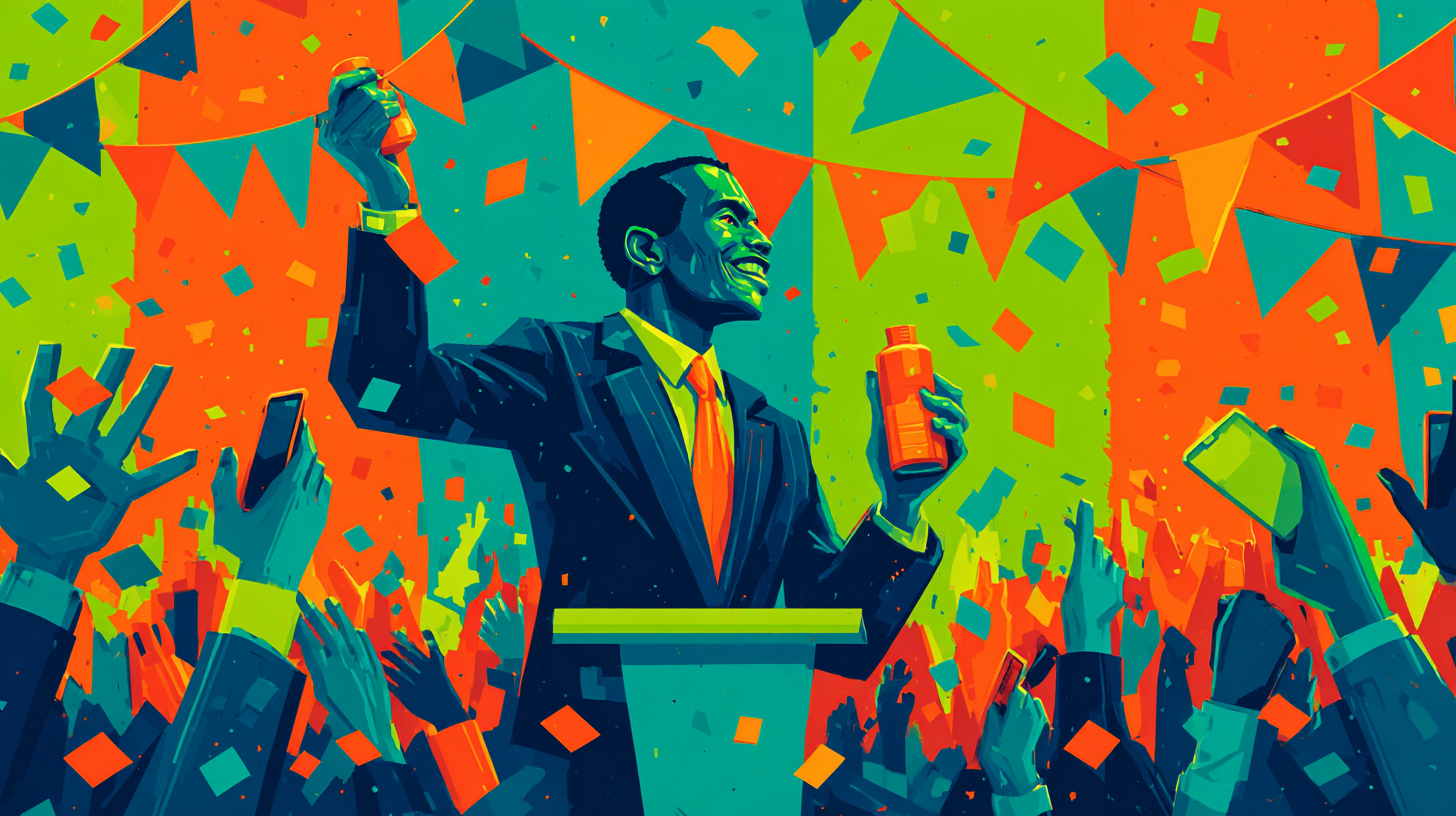
For a hundred years, the wellness con had a ceiling, and the ceiling was commercial. You could get rich. You could not get appointed into high office. In 2025, that ceiling broke.
The man now running health policy for the United States - the most powerful health job on earth - told you what he thought the job was for long before he took the actual job. Robert F. Kennedy trademarked his wellness slogan "MAHA" and collected $100,000 in licensing fees on the merchandise before taking office.
His nominee for Surgeon General is a wellness influencer who, according to a report by the watchdog Public Citizen, failed to disclose her financial relationships in 79 of 140 product promotions - 56% of the time. Among the products in this universe: a women's supplement called "Her Package," made from cow ovaries, uteruses and fallopian tubes, marketed for cramps and fertility. Thankfully she never made it past scrutiny. But this is still fucking insane.
The Make America Healthy Again movement pushes unproven treatments and unregulated supplements while actively eroding trust in conventional medicine - which, you'll notice, is the exact business model from the start of this piece, except the salesman now sets the rules.
 Matt Hussey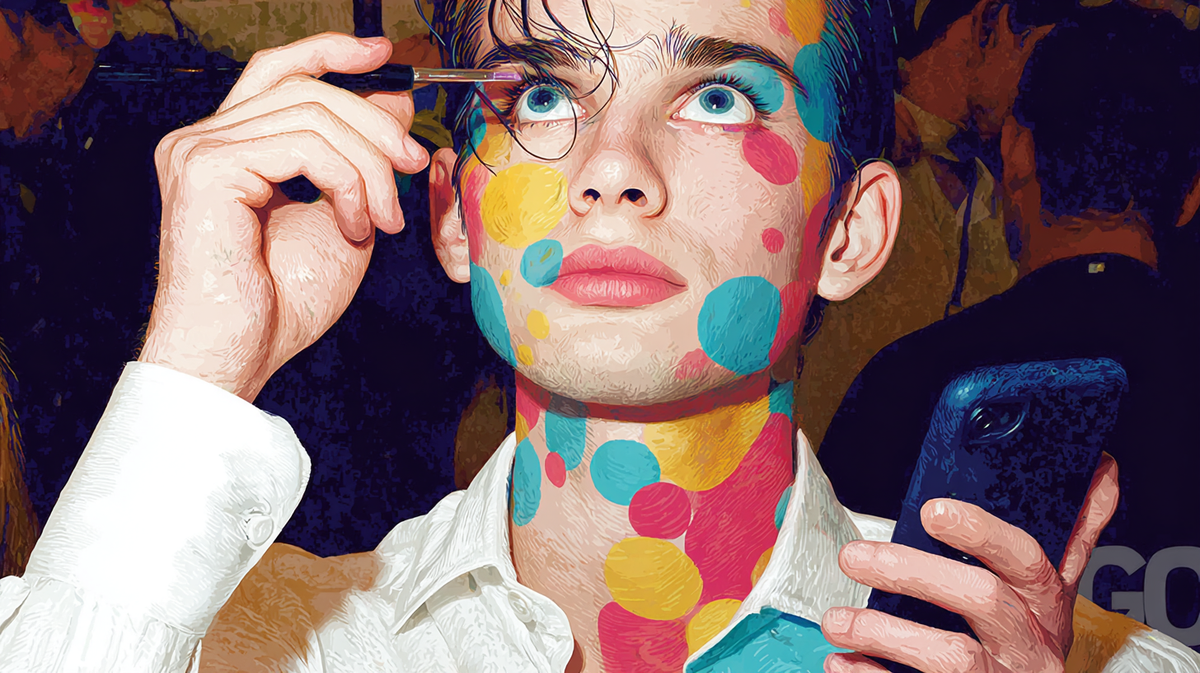
This is the structural shift that makes Griftonomics a story worth telling rather than a list of fools. In ordinary corruption, the funder lobbies from outside the room. Here, the funder is already in the room - selling the product, writing the policy, and appointing the regulator who'd otherwise police it (if at all), all at once. There is no daylight left between the con and the institution meant to contain it.
And it was never apolitical. Researchers at the Institute for Strategic Dialogue found that users searching for politically neutral terms - "workouts for women," #fitspo - were routinely funnelled towards hard-right political accounts.
The all-meat carnivore movement I scrolled past in bed isn't just a diet; its most visible figures sit squarely in a particular political ecosystem, and the pipeline from gut health to grievance to ideology is well-worn. Wellness turned out to be a recruitment funnel dressed in very expensive arse-sculpting leggings.
Britain doesn't have an RFK. Not yet. But the US is the test market for everything, and the wellness-to-power pipeline is the export we receive next. The question was never whether it crosses the Atlantic. It's when.
But here's what makes the grift so hard to pull apart: sometimes these grifters are right.
Where wellness influencers are actually right
I have to give them this, because the moment I don't, I become exactly the bitter clinician they say I am - the gatekeeper protecting his turf from the upstarts who figured out the internet first. And the charge would have a point, because the grievance they exploit is real.
Ultra-processed food genuinely is making people ill. Medicine genuinely did dismiss women's pain, fat patients, chronic fatigue and a dozen other things for decades, and is only now, grudgingly, catching up.
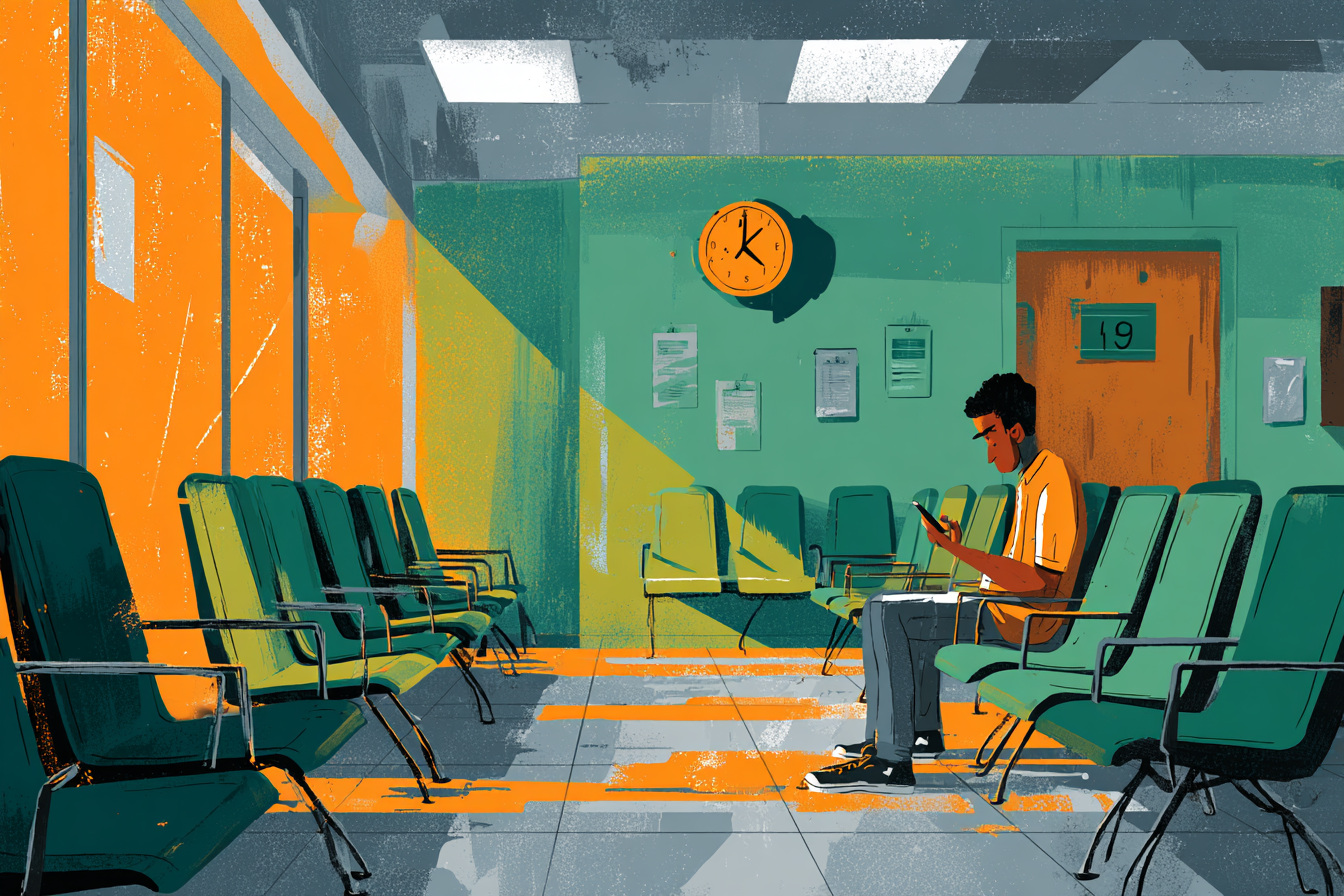
The seven-minute doctors' appointment is real. The eighteen-week wait is real. "Do your own research" is, at root, a rational response to having been let down by people who told you to trust them and were wrong. Every successful con contains a true sentence, and this one contains several.
I'll go further, because honesty is the only thing that earns me the right to the rest of this. I have recommended a supplement. I have felt the pull of the clean, total, elegant explanation - the single root cause, the one weird trick, the sense that if I just optimised hard enough the chaos of being a person might resolve.
 Matt Hussey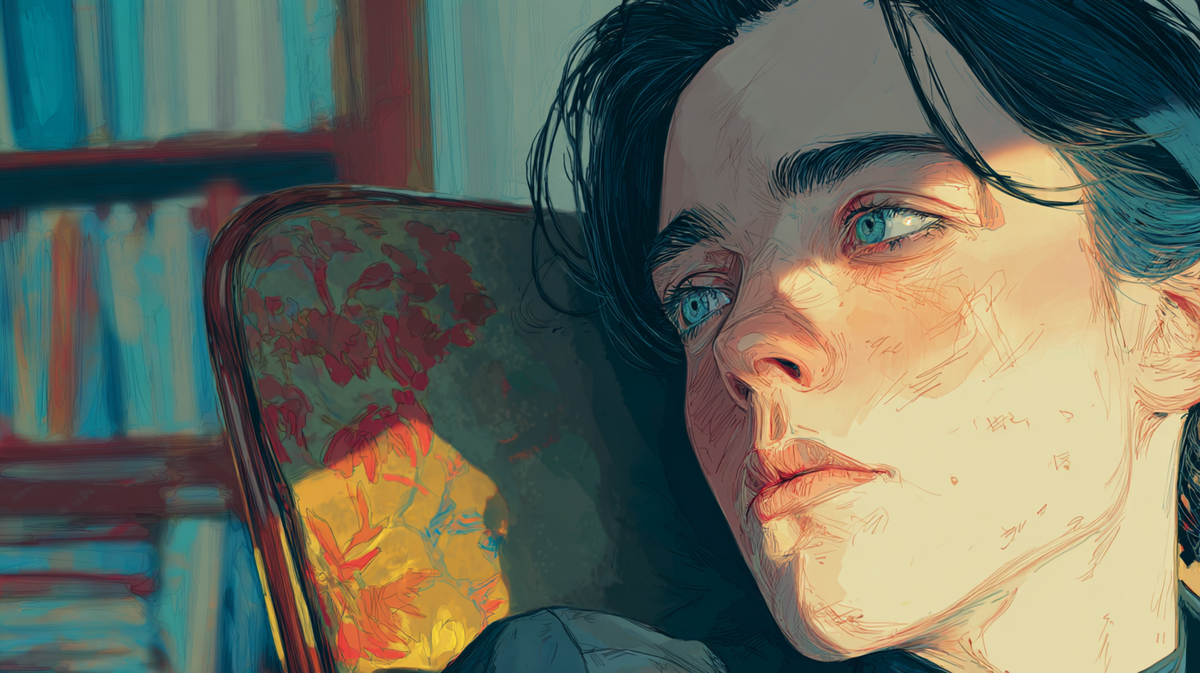
The system I'm defending is the same system that builds the customers I'm warning you about. The grifter and the waiting list are not opposites. They're business partners.
But correctly diagnosing the disease does not license you to sell poison as the cure. Identifying a real wound and then charging a desperate person for a dressing that makes it worse isn't rebellion against a broken system.
It's the same extraction the system runs on, wearing nicer linen and quoting Rumi. The tragedy isn't that the wellness con is built on lies. It's that it's built on a truth, which it then betrays. And that betrayal has a body count.
Can the wellness scam industry be regulated?

The harm isn't theoretical. A study in the New England Journal of Medicine estimated that adverse events from dietary supplements drive around 23,000 emergency-department visits a year in the United States - cardiac episodes in young adults from weight-loss and energy products, and, in roughly a quarter of cases, children who simply got into the bottle.
The supplement industry disputes the framing, noting some non-supplement products were swept into the count - which is fair, and which I'd rather tell you than hide. But the point survives the caveat: a product class that requires no proof of safety before sale is, predictably, sending people to hospital.
So what do we do? The honest answer is that the obvious fixes are necessary and nowhere near enough.
Look at what an active regulator achieves, and then look at its limits. The UK's Advertising Standards Authority is not asleep. In a single ruling in December 2025, it upheld complaints against nine advertisers for unlawful medicinal claims - supplements marketed as easing the symptoms of ADHD, "the challenges of autism," and enlarged prostate.
 Matt Hussey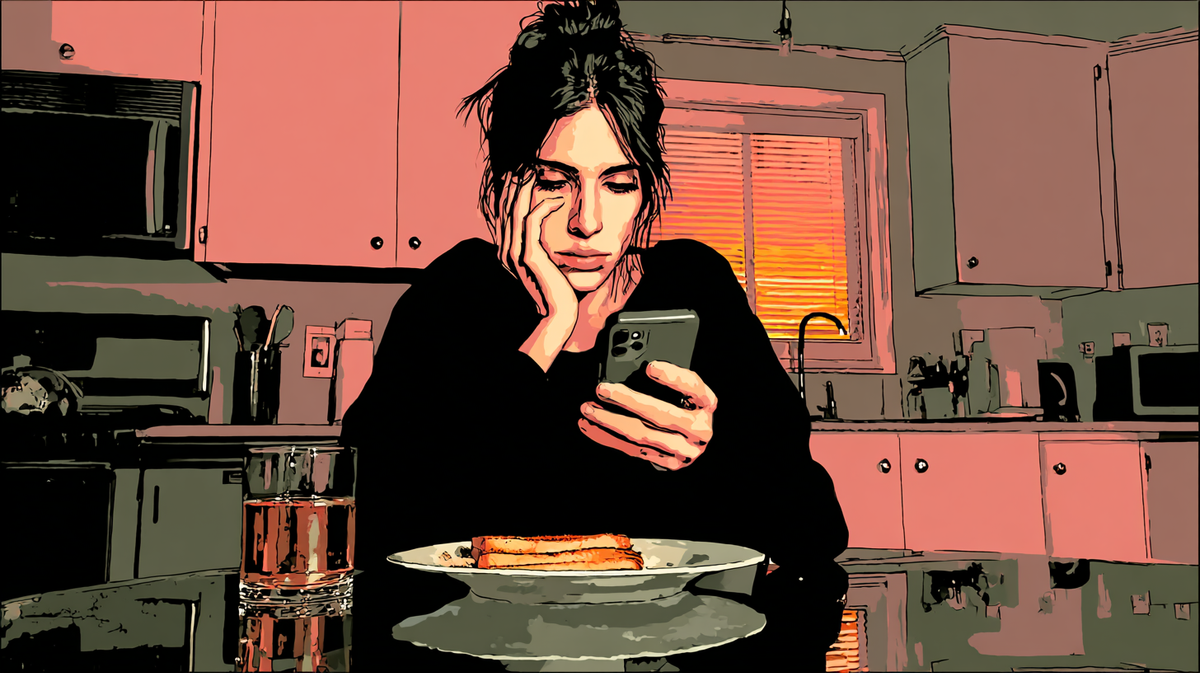
Months earlier it had swept up a batch of ads for "nootropic super mushroom gummies" promising to obliterate brain fog, and banned a Katie Price post making unauthorised weight-loss claims for a supplement brand.
Which sounds like progress, right? Until you understand how regulation works. Every one of those rulings I just mentioned concerns a single advertisement, taken down weeks after it ran.
The UK isn't failing for want of a regulator. It's failing because the regulator takes its time to scrutinise a handful of posts while the industry it's up against had shipped a million messages to followers across the world.
Accountability is asymmetric by design - the grifter can delete a post and relaunch the cohort overnight; the clinician who errs loses a licence it took a decade to earn.
Only one country has actually closed the gap - and the cure turns out to be its own kind of disease. In late October 2025, China's Cyberspace Administration did the thing every Western regulator has flinched from: it ruled that creators may no longer hold forth online on medicine, law, finance or education unless they can produce a genuine credential - a degree, a licence, a certification - which the platforms themselves are now obliged to verify.
It went further still, halting advertising for supplements and health foods dressed up as educational content. Overnight, the unqualified wellness guru became, in the eyes of the state, simply unpublishable.
 Matt Hussey
For one disorienting second, it sounds like the answer - until you remember whose hand is on the pen. The same machinery that deletes a snake-oil video deletes a dissident; the same authority that rules an influencer lacks the right credentials decides, elsewhere, which credentials count and which truths may be spoken at all.
You cannot cure a crisis of trust by appointing a censor. China hasn't solved the problem the West has; it has simply chosen a different one, and they are not the kind of thing you'd want to swap.
So the West is left in the harder middle. We can go further to protect consumers by protecting titles, making the fines hurt more, and putting real liability on the platforms that profit from the reach.
But the deepest lever is the one no rule can pull, in any system: you cannot regulate your way out of a trust collapse. The market exists because the institutions failed first, and no enforcement action rebuilds the confidence whose absence created the demand.
And the United States has now shown us what lies at the end of this road: when the regulator merges with the industry it's trying to control. When the people appointed to police the snake oil are the ones selling it, the watchdog isn't asleep on the job. It's on the payroll.
After writing and researching this essay, I keep coming back to people I work with everyday. Not the influencer - but the ones who believed them. They didn't hand over the money because they were foolish. They handed it over because they were hurting, and frightened, and someone finally seemed to care whether they got better.
That's the genius of it, and the horror of it. The wellness con's deepest cruelty was never that it sold nonsense. It's that it counterfeited the one thing we struggle to find anywhere else - at a doctors', on the waiting list, in a system that had stopped seeing us.
The con didn't open the wound. It just learned it could make a ton of money to tell people they're bleeding.